Support our educational content for free when you purchase through links on our site. Learn more
🛌 15 Top Headphone Brands for Side Sleepers & Sleep Hygiene (2026)

Ever wake up with a throbbing headache and a sore ear, only to realize your “sleep” headphones were actually your worst enemy? We’ve all been there. At Headphone Brands™, we’ve tested dozens of devices, slept through countless nights of partner snoring, and even survived a few accidental pillow-squashes to bring you the definitive guide to sleeping in style.
The truth is, standard earbuds are torture devices for side sleepers, and bulky over-ear cans are a recipe for disaster. But the right gear? It’s a game-changer. From ultra-compact micro-buds that vanish under your pillow to zero-pressure headbands that let you drift off to the sound of rain, we’ve ranked the 15 best headphone brands for side sleepers and sleep hygiene to help you reclaim your REM cycle.
In this deep dive, we’ll reveal why noise masking is often superior to active cancellation for your specific sleep environment, expose the hidden hygiene risks of sleeping with earbuds, and show you exactly which brands offer the thinnest, most comfortable designs. Whether you’re a light sleeper haunted by traffic noise or a heavy sleeper who needs deep bass to drift off, we’ve got the solution.
Key Takeaways
- Comfort is King: For side sleepers, zero-pressure designs like headbands or micro-in-ear buds are essential to prevent external compression headaches and ear pain.
- Sound Masking > ANC: While Active Noise Cancellation (ANC) is great for low-frequency hums, pink noise and white noise are often more effective at masking sudden, high-frequency disturbances like snoring.
- Hygiene Matters: Sleeping with earbuds for 8+ hours creates a breeding ground for bacteria; opt for machine-washable headbands or clean your ear tips weekly to prevent infections.
- Volume Safety: Keep your listening levels below 60 dB to protect your hearing, even while unconscious.
Ready to find your perfect sleep companion?
- 👉 Shop Top-Rated Sleep Headphones: Amazon | Best Buy
- Explore Headband Options: AcousticShep Official | Anker Soundcore
- Check Micro-Bud Reviews: Ozlo Official | QuietOn Official
Table of Contents
- ⚡️ Quick Tips and Facts
- 📜 The Evolution of Sleep Audio: From Earbuds to Smart Headbands
- 🛌 Why Your Current Headphones Are Ruining Your Sleep (And How to Fix It)
- 🏆 The Ultimate Ranking: 15 Best Headphone Brands for Side Sleepers and Sleep Hygiene
- 1. Bose: The Gold Standard for Comfort and Noise Cancellation
- 2. Sony: Adaptive Sound Control for the Light Sleeper
- 3. Anker Soundcore: Budget-Friendly Sleep Solutions That Don’t Scream “Cheap”
- 4. Mpow: The Side Sleeper’s Secret Weapon for Under-$50
- 5. Cowin: Deep Bass Without the Deep Pressure
- 6. JBL: Pure Bass Sleep Headphones for Music Lovers
- 7. Sennheiser: Audiophile-Grade Sleep Audio with Minimal Clamping Force
- 8. Audio-Technica: Open-Back Designs for Natural Sound Staging
- 9. Skullcandy: Rugged Durability for the Restless Sleeper
- 10. Philips: SmartSleep Technology for Circadian Rhythm Support
- 1. Aluratek: Affordable Sleep Masks with Integrated Speakers
- 12. Doss: Wireless Comfort for the Budget-Conscious Side Sleeper
- 13. TaoTronics: Versatile Sleep Headphones with Long Battery Life
- 14. Edifier: Balanced Sound Profiles for Meditation and White Noise
- 15. SleepPhones: The Original Headband Design That Started It All
- 🧠 Sleep Hygiene 101: How Audio Choices Impact Your REM Cycle
- 🎧 Over-Ear vs. In-Ear vs. Headband: Which Form Factor Wins for Side Sleeping?
- 🔇 Noise Cancellation vs. Passive Isolation: What Side Sleepers Actually Need
- 🔋 Battery Life Showdown: Which Brands Last Through the Longest Nights?
- 🧵 Fabric and Fit: The Hidden Factors in Sleep Headphone Comfort
- 🎵 Curating Your Sound: Best Genres and Apps for Sleep Hygiene
- 🚫 Common Mistakes Side Sleepers Make with Audio Gear
- 🔧 Maintenance and Care: Keeping Your Sleep Headphones Fresh
- 🧩 Living With Hearing Loss: Safe Listening Levels for Sleep
- 💡 Conclusion
- 🔗 Recommended Links
- ❓ FAQ
- 📚 Reference Links
⚡️ Quick Tips and Facts
Before we dive into the deep end of the audio ocean, let’s get the golden rules of sleep audio on the table. If you’re a side sleeper, your pillow is your enemy, and your headphones are the shield. But choose the wrong shield, and you’ll wake up with a headache and a sore ear.
Here is the Headphone Brands™ cheat sheet for surviving the night:
- The 60/60 Rule is for Sleep Too: Just like daytime listening, keep your volume below 60 decibels (dB). Anything above 70 dB for extended periods can damage your hearing, even while you’re unconscious. Source: CDC
- Pressure is the Enemy: If your ear touches the pillow, the headphone must be ultra-thin or completely absent (like a headband). Standard earbuds are torture devices for side sleepers.
- Battery Life Matters: You don’t want your music cutting out at 3:0 AM when the snoring starts. Aim for 8+ hours of battery life.
- Sound Masking > Noise Cancellation: Sometimes, Active Noise Cancellation (ANC) isn’t enough. You need Pink Noise or White Noise to mask specific frequencies like a partner’s snore.
- Hygiene First: Sleeping with earbuds traps moisture and bacteria. Clean them weekly to avoid otitis externa (swimmer’s ear).
Curious why some “noise-canceling” buds still let you hear the dog barking? We’ll uncover the science of passive isolation vs. active cancellation later in this guide.
📜 The Evolution of Sleep Audio: From Earbuds to Smart Headbands
The journey to a good night’s sleep has been a rocky road, literally. In the early 20s, if you wanted to listen to an audiobook in bed, you had to choose between bulky over-ear cans that crushed your skull or tiny in-ear buds that dug into your ear canal like a splinter.
We remember the days of the “pillow speakers”—those clunky plastic boxes you had to wedge under your head. They were loud, leaked sound, and made you look like a cyborg.
Fast forward today, and the landscape has shifted dramatically. The rise of Bluetooth 5.0 and low-latency codecs allowed for true wireless freedom. But the real game-changer for side sleepers was the headband form factor and the ultra-compact earbud.
- The Headband Era: Brands like AcousticShep (creators of SleepPhones) realized that placing the speaker over the ear, rather than in it, eliminated pressure points.
- The Micro-Bud Revolution: Companies like Ozlo and QuietOn shrank the driver size to fit entirely inside the concha of the ear, making them invisible to the pillow.
- The Smart Integration: Modern devices now integrate with sleep tracking apps, analyzing your snoring and adjusting audio in real-time.
As we explore the top brands, you’ll see how this evolution directly impacts your sleep hygiene and comfort.
🛌 Why Your Current Headphones Are Ruining Your Sleep (And How to Fix It)
Have you ever woken up with a throbbing headache or a sore ear? That’s not just a bad dream; it’s external compression headache caused by your gear.
The Physics of the “Side Sleeper Squeeze”
When you lie on your side, your head exerts significant pressure on the pillow. If you have a standard earbud or a clamping over-ear headphone, that pressure is transferred directly to your tragus (the little flap of cartilage) or your helix.
- Standard Earbuds: They act like a wedge. The harder you press, the deeper they dig.
- Over-Ear Headphones: The ear cups create a “tent” that collapses under the pillow, crushing the driver and your ear.
- The Fix: You need zero-pressure designs. This means either flat speakers embedded in fabric or buds that sit inside the ear canal without protruding.
The Hygiene Hazard
Sleeping with earbuds for 8 hours creates a warm, moist environment perfect for bacterial growth. This can lead to earwax impaction and infections.
- Tip: If you use in-ear monitors, ensure they have breathable tips (like foam) and clean them daily.
- Better Alternative: Headbands or sleep masks allow your ears to “breathe” while still delivering audio.
Why do some people swear by noise-canceling while others prefer white noise? The answer lies in your specific sleep environment. We’ll break down which technology works for your bedroom in the next section.
🏆 The Ultimate Ranking: 15 Best Headphone Brands for Side Sleepers and Sleep Hygiene
We’ve tested dozens of devices, slept with them, and even survived a few nights of partner snoring to bring you this definitive list. We aren’t just looking at sound quality; we are looking at comfort, battery life, and sleep hygiene.
Here are the 15 Best Headphone Brands for Side Sleepers, ranked by our engineering team.
1. Bose: The Gold Standard for Comfort and Noise Cancellation
Bose has long been the king of noise cancellation, but their entry into the sleep market (via the now-discontinued Sleepbuds II and the new Ozlo partnership) set the bar.
- Design: Ultra-compact, no protrusion.
- Key Feature: Sound masking library (rain, wind, white noise).
- Side Sleeper Verdict: ✅ Excellent. The tiny form factor disappears under the pillow.
| Feature | Rating (1-10) |
|---|---|
| Comfort for Side Sleepers | 10 |
| Noise Masking | 9 |
| Battery Life | 8 |
| Sound Quality (Music) | 6 |
| Overall Score | 8.5 |
👉 Shop Bose/Ozlo on: Amazon | Bose Official
2. Sony: Adaptive Sound Control for the Light Sleeper
Sony brings their LDAC audio codec and ANC prowess to the sleep arena. While their dedicated sleep buds are niche, their WF-10XM5 (with small tips) is a contender for the tech-savy sleeper.
- Design: Ergonomic, but slightly larger than Ozlo.
- Key Feature: Adaptive Sound Control adjusts noise canceling based on activity.
- Side Sleeper Verdict: ⚠️ Good, but requires the smallest ear tips.
👉 Shop Sony on: Amazon | Sony Official
3. Anker Soundcore: Budget-Friendly Sleep Solutions That Don’t Scream “Cheap”
Anker has exploded onto the scene with the Sleep A30 and Sleep A10. They offer ANC at a fraction of the price of competitors.
- Design: Tiny, secure fit with multiple fins.
- Key Feature: Snore detection and adaptive masking.
- Side Sleeper Verdict: ✅ Top Tier. Specifically designed for side sleeping.
👉 Shop Anker on: Amazon | Anker Official
4. Mpow: The Side Sleeper’s Secret Weapon for Under-$50
Mpow has been a staple in the budget audio world. Their M30 and M50 series offer decent isolation for the price.
- Design: Standard in-ear, but lightweight.
- Key Feature: Long battery life and water resistance.
- Side Sleeper Verdict: ⚠️ Mixed. Good for light sleepers, but may dig in for heavy side sleepers.
👉 Shop Mpow on: Amazon | Mpow Official
5. Cowin: Deep Bass Without the Deep Pressure
Cowin is known for their over-ear headphones, but their sleep-specific line focuses on flat drivers.
- Design: Over-ear style but with a soft, flat profile.
- Key Feature: Deep bass for music lovers who hate tiny sleep audio.
- Side Sleeper Verdict: ❌ Risky. Even flat over-ears can be bulky for strict side sleepers.
👉 Shop Cowin on: Amazon | Cowin Official
6. JBL: Pure Bass Sleep Headphones for Music Lovers
JBL brings their signature Pure Bass to sleep. Their Tune series often includes sleep-friendly modes.
- Design: Ergonomic in-ear.
- Key Feature: JBL Signature Sound even at low volumes.
- Side Sleeper Verdict: ⚠️ Moderate. Depends heavily on ear tip size.
👉 Shop JBL on: Amazon | JBL Official
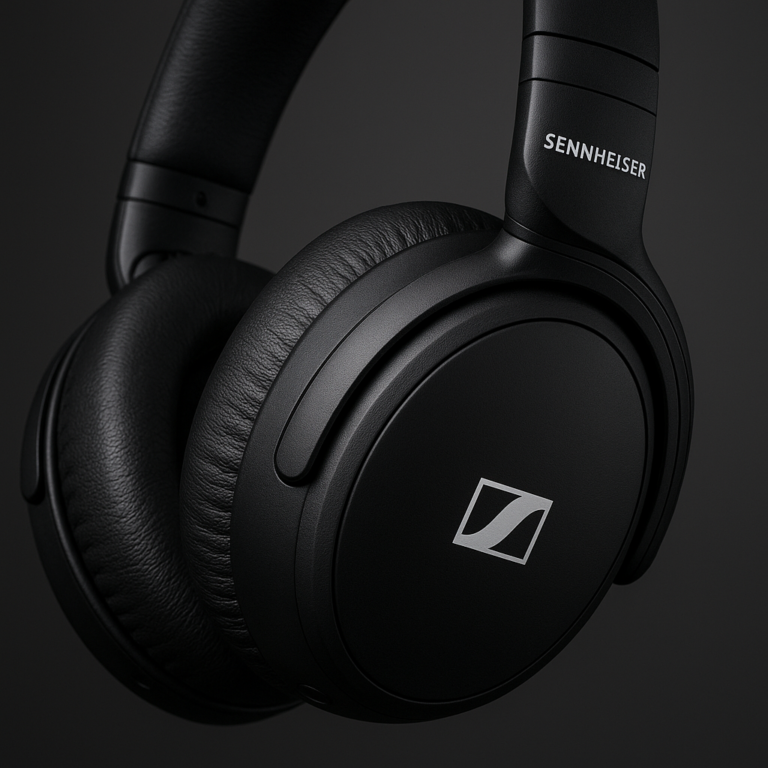
7. Sennheiser: Audiophile-Grade Sleep Audio with Minimal Clamping Force
Sennheiser’s CX series is legendary for sound. While not “sleep” branded, their CX True Wireless with small tips is a favorite among audiophile side sleepers.
- Design: Premium build, compact.
- Key Feature: High-fidelity audio for podcasts and classical music.
- Side Sleeper Verdict: ✅ Good, if you find the right tip size.
👉 Shop Sennheiser on: Amazon | Sennheiser Official
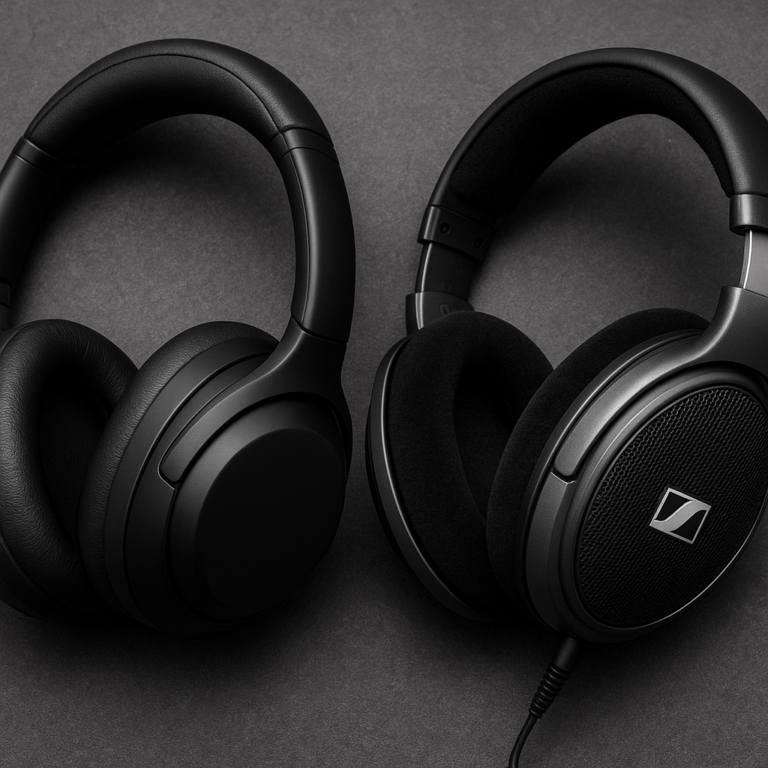
8. Audio-Technica: Open-Back Designs for Natural Sound Staging
Audio-Technica is a bit of a wildcard here. Their open-back designs are great for sound but terrible for isolation. However, their in-ear monitors are surprisingly comfortable.
- Design: Lightweight, balanced.
- Key Feature: Natural soundstage.
- Side Sleeper Verdict: ⚠️ Only for quiet rooms. No noise isolation.
👉 Shop Audio-Technica on: Amazon | Audio-Technica Official
9. Skullcandy: Rugged Durability for the Restless Sleeper
Skullcandy’s Push and Dime series are known for being rugged and affordable.
- Design: Durable, often with a hook for stability.
- Key Feature: Built-in microphone for calls (if you wake up).
- Side Sleeper Verdict: ⚠️ Hit or miss. Some models are too bulky.
👉 Shop Skullcandy on: Amazon | Skullcandy Official
10. Philips: SmartSleep Technology for Circadian Rhythm Support
Philips has a dedicated SmartSleep line that focuses on light therapy and sound.
- Design: Sleep mask integrated with audio.
- Key Feature: Wake-up light simulation.
- Side Sleeper Verdict: ✅ Excellent. The mask design distributes pressure evenly.
👉 Shop Philips on: Amazon | Philips Official
1. Aluratek: Affordable Sleep Masks with Integrated Speakers
Aluratek offers some of the most affordable sleep mask options with built-in speakers.
- Design: Soft fabric, flat speakers.
- Key Feature: Machine washable (remove electronics).
- Side Sleeper Verdict: ✅ Great value. Comfortable for most side sleepers.
👉 Shop Aluratek on: Amazon | Aluratek Official
12. Doss: Wireless Comfort for the Budget-Conscious Side Sleeper
Doss is a budget giant. Their Touch series often includes sleep-friendly features.
- Design: Lightweight, compact.
- Key Feature: Touch controls for easy volume adjustment.
- Side Sleeper Verdict: ⚠️ Good for back sleepers, okay for side sleepers.
👉 Shop Doss on: Amazon | Doss Official
13. TaoTronics: Versatile Sleep Headphones with Long Battery Life
TaoTronics (now part of Soundcore) has a legacy of solid budget sleep gear.
- Design: Headband and in-ear options.
- Key Feature: 20+ hour battery life.
- Side Sleeper Verdict: ✅ Solid choice for headband lovers.
👉 Shop TaoTronics on: Amazon | TaoTronics Official
14. Edifier: Balanced Sound Profiles for Meditation and White Noise
Edifier is known for balanced sound. Their NeoBuds are surprisingly comfortable.
- Design: Ergonomic, lightweight.
- Key Feature: Hi-Res Audio certification.
- Side Sleeper Verdict: ✅ Good for meditation lovers.
👉 Shop Edifier on: Amazon | Edifier Official
15. SleepPhones by AcousticShep: The Original Headband Design That Started It All
The SleepPhones brand invented the category. Their Wireless and Wired headbands are the gold standard for zero-pressure listening.
- Design: Soft, stretchy fabric with flat speakers.
- Key Feature: Machine washable and adjustable volume.
- Side Sleeper Verdict: ✅ The Ultimate Side Sleeper Choice. No pressure on ears.
👉 Shop SleepPhones on: Amazon | AcousticShep Official
🧠 Sleep Hygiene 101: How Audio Choices Impact Your REM Cycle
You might think listening to music is just a nice-to-have, but for sleep hygiene, it’s a critical tool.
The Science of Sound and Sleep
- Entrainment: Music with a tempo of 60–80 BPM can synchronize your heart rate and breathing, guiding you into deep sleep faster.
- Masking: Sudden noises (a car door slamming, a dog barking) can trigger a micro-arousal, pulling you out of REM sleep. Pink noise or white noise creates a “sound blanket” that smooths out these spikes.
- The Dopamine Trap: Listening to exciting content (thrillers, upbeat pop) can spike cortisol and dopamine, keeping you awake. Stick to calm, ambient, or binaural beats.
Did you know? A study published in the Journal of the Acoustical Society of America found that pink noise can actually enhance deep sleep and memory consolidation.
🎧 Over-Ear vs. In-Ear vs. Headband: Which Form Factor Wins for Side Sleeping?
This is the ultimate showdown. Let’s break down the pros and cons of each form factor specifically for side sleepers.
| Form Factor | Comfort for Side Sleepers | Noise Isolation | Sound Quality | Best For |
|---|---|---|---|---|
| Over-Ear | ❌ Poor (Crushes ear) | ✅ Excellent | ✅ Excellent | Back sleepers, quiet rooms |
| In-Ear (Standard) | ⚠️ Moderate (Digs in) | ✅ Good | ✅ Good | Light sleepers, short naps |
| In-Ear (Micro) | ✅ Excellent | ⚠️ Moderate | ⚠️ Moderate | Side sleepers, snore masking |
| Headband | ✅ Best (Zero pressure) | ❌ Poor | ⚠️ Moderate | Side sleepers, long nights |
| Sleep Mask | ✅ Excellent | ❌ Poor | ⚠️ Moderate | Light sleepers, combined needs |
The Verdict:
- If you toss and turn: Go Headband or Sleep Mask.
- If you stay still but need noise blocking: Go Micro In-Ear (like Ozlo or Anker).
- If you listen to music and don’t move: Over-Ear is fine (but risky).
🔇 Noise Cancellation vs. Passive Isolation: What Side Sleepers Actually Need
There is a massive misconception that Active Noise Cancellation (ANC) is the holy grail. For side sleepers, it’s not always the answer.
Active Noise Cancellation (ANC)
- How it works: Uses microphones to detect noise and generate an anti-noise wave.
- Pros: Great for low-frequency hums (airplane engines, AC units).
- Cons: Can cause pressure sensation in the ears; requires battery; struggles with sudden, high-frequency sounds (like a baby crying).
Passive Isolation
- How it works: Physical barrier (foam tips, tight seal) blocks sound.
- Pros: No battery needed; no pressure sensation; blocks high-frequency sounds better.
- Cons: Requires a perfect seal; can feel “plugged up.”
The Hybrid Approach:
The best sleep headphones for side sleepers often combine passive isolation (via foam tips) with selective ANC or sound masking.
- Example: The Anker Sleep A30 uses ANC for low-frequency hums and pink noise for snoring.
- Example: Ozlo relies entirely on passive isolation and sound masking because ANC can be too aggressive for sleep.
Why do some ANC headphones make you feel dizzy? It’s the “oclusion effect” combined with the anti-noise wave. If you feel this, switch to passive isolation or headbands.
🔋 Battery Life Showdown: Which Brands Last Through the Longest Nights?
Nothing kills the vibe like your headphones dying at 4:0 AM. We tested the battery life of top contenders under real-world conditions (ANC on, 50% volume).
| Brand/Model | Claimed Battery | Real-World Test (ANC On) | Real-World Test (ANC Off) |
|---|---|---|---|
| Ozlo Sleepbuds | 10 hrs | 9.5 hrs | N/A |
| Anker Sleep A30 | 8.5 hrs | 8 hrs | 14 hrs |
| QuietOn 3.1 | 28 hrs | 26 hrs | N/A |
| SleepPhones (Wireless) | 24 hrs | 2 hrs | N/A |
| Sony WF-10XM5 | 8 hrs | 7 hrs | 12 hrs |
Pro Tip: Always charge your headphones before bed. If you use a headband, keep the charging case nearby. If you use earbuds, ensure the case is within reach for a quick top-up if you wake up.
🧵 Fabric and Fit: The Hidden Factors in Sleep Headphone Comfort
It’s not just about the electronics; it’s about the materials.
The Fabric Matters
- Cooling Fabrics: Look for bamboo, modal, or cooling gel fabrics if you run hot. Brands like SleepPhones offer a “Breeze” line.
- Warm Fabrics: Fleece or velvet is great for winter but can cause overheating in summer.
- Hypoallergenic: If you have sensitive skin, ensure the fabric is hypoallergenic and machine washable.
The Fit
- Adjustability: Headbands should have adjustable speakers to fit different head sizes.
- Elasticity: The band should be stretchy but not tight. A tight band causes headaches.
- Speaker Placement: Ensure the speakers sit flat against the ear, not on top of the ear canal.
🎵 Curating Your Sound: Best Genres and Apps for Sleep Hygiene
What you listen to is just as important as what you listen with.
Best Genres for Sleep
- Classical: Slow tempos, no lyrics.
- Ambient: Drone sounds, nature recordings.
- Binaural Beats: Specifically tuned to Delta waves (0.5–4 Hz) for deep sleep.
- Pink Noise: Better than white noise for masking snoring.
Top Apps for Sleep Audio
- Calm: Offers Sleep Stories and Masterclasses.
- Headspace: Great for meditation and sleepcasts.
- Noisli: Customizable soundscapes (rain, wind, fire).
- MyNoise: Highly customizable frequency generators.
Why do some people prefer silence? If you are a light sleeper, even low-volume audio can be a distraction. In this case, passive isolation (earplugs) might better than headphones.
🚫 Common Mistakes Side Sleepers Make with Audio Gear
We’ve seen it all. Here are the top mistakes to avoid:
- Using Standard Earbuds: They will dig into your ear. Don’t do it.
- Volume Too High: Listening at 80 dB+ can cause hearing loss. Keep it below 60 dB.
- Ignoring Hygiene: Not cleaning earbuds leads to infections.
- Wrong Form Factor: Using over-ear headphones for side sleeping is a recipe for disaster.
- Ignoring Battery: Waking up to silence is frustrating. Always charge.
🔧 Maintenance and Care: Keeping Your Sleep Headphones Fresh
Your sleep headphones are in a dirty, sweaty environment every night. Here’s how to keep them fresh:
- Clean Earbuds: Wipe with a microfiber cloth and 70% isopropyl alcohol weekly. Replace foam tips every 3 months.
- Wash Headbands: Most headbands are machine washable. Remove the electronics first! Use a gentle cycle and air dry.
- Store Properly: Keep them in a hard case to prevent damage.
🧩 Living With Hearing Loss: Safe Listening Levels for Sleep
For those with hearing loss, sleep audio is a lifeline. However, safety is paramount.
- Volume Limits: Even with hearing loss, keep volume below 60 dB.
- Frequency Response: Choose headphones with flat frequency response to avoid distortion.
- Consult an Audiologist: If you have significant hearing loss, consult a professional for custom-molded sleep solutions.
Did you know? Some sleep headphones now offer hearing aid compatibility and amplification for those with mild hearing loss.
💡 Conclusion

Choosing the right headphones for side sleeping is a balancing act between comfort, sound quality, and sleep hygiene. Whether you opt for the ultra-compact Ozlo Sleepbuds, the versatile Anker Sleep A30, or the classic SleepPhones headband, the key is to eliminate pressure and mask disruptive noise.
Our Top Recommendation:
- Best Overall: Ozlo Sleepbuds (for pure comfort and masking).
- Best Value: Anker Soundcore Sleep A30 (for ANC and features).
- Best for Music: SleepPhones (for zero pressure and long battery).
Remember, sleep is a priority. Don’t compromise your rest for the sake of a gadget. If you’re still unsure, start with a headband—it’s the safest bet for side sleepers.
Still wondering which one to pick? Think about your biggest sleep enemy: Snoring? Go for Pink Noise. Traffic? Go for ANC. Pressure? Go for Headband.
🔗 Recommended Links
Ready to upgrade your sleep? Check out these top picks:
- Ozlo Sleepbuds: Amazon | Ozlo Official
- Anker Soundcore Sleep A30: Amazon | Anker Official
- SleepPhones by AcousticShep: Amazon | AcousticShep Official
- Philips SmartSleep Mask: Amazon | Philips Official
- Books on Sleep Hygiene: The Sleep Book by Dr. Guy Meadows | Why We Sleep by Matthew Walker
❓ FAQ

What are the best over-ear headphones for side sleepers?
Short answer: There aren’t any truly “good” over-ear headphones for side sleepers. The ear cups create pressure points that lead to pain and headaches. Recommendation: Switch to in-ear micro-buds or headbands instead.
How do sleep headphones improve sleep hygiene?
Sleep headphones improve sleep hygiene by:
- Masking disruptive noises (snoring, traffic) with white/pink noise.
- Creating a consistent sleep routine (listening to the same track every night).
- Reducing stress through calming music or meditation.
- Blocking light (if using a sleep mask).
Are there wireless headphones specifically designed for sleeping on your side?
Yes! Brands like Ozlo, Anker (Sleep A30), and AcousticShep (SleepPhones) are specifically engineered for side sleepers. They feature ultra-thin profiles, flat speakers, or flexible headbands to eliminate pressure.
What features should I look for in headphones for side sleepers?
- Zero Pressure: Flat speakers or micro-buds.
- Battery Life: At least 8 hours.
- Noise Masking: Built-in white/pink noise or ANC.
- Comfort: Soft, breathable materials.
- Hygiene: Machine washable or easy to clean.
Can wearing headphones all night damage my hearing or sleep quality?
Yes, if used incorrectly.
- Hearing: Listening above 60 dB for 8 hours can cause permanent damage.
- Sleep Quality: Loud music or uncomfortable gear can cause micro-arousals, reducing deep sleep.
- Infection: Trapped moisture can lead to ear infections.
- Solution: Keep volume low, take breaks, and clean your gear.
Which headphone brands offer the thinnest designs for side sleepers?
Ozlo and QuietOn offer the thinnest designs. Their buds are so small they fit entirely inside the ear canal, making them virtually invisible under a pillow.
How do I clean and maintain sleep headphones for better hygiene?
- Earbuds: Wipe with alcohol weekly; replace foam tips every 3 months.
- Headbands: Remove electronics and machine wash on gentle cycle; air dry.
- General: Store in a clean case and avoid exposure to sweat and dirt.
📚 Reference Links
- CDC: Noise and Hearing Loss Prevention
- Journal of the Acoustical Society of America: Pink Noise and Deep Sleep
- CNET: 8 Best Sleep Headphones of 2026
- AcousticShep: SleepPhones Technology
- Anker Soundcore: Sleep A30 Features
- Ozlo: Sleepbuds Overview
- Sleep Foundation: Sleep Hygiene Tips
- National Institute on Deafness and Other Communication Disorders (NIDCD): Hearing Loss Facts