Support our educational content for free when you purchase through links on our site. Learn more
🎧 What Features Make High-Quality Headphones Worth Buying?

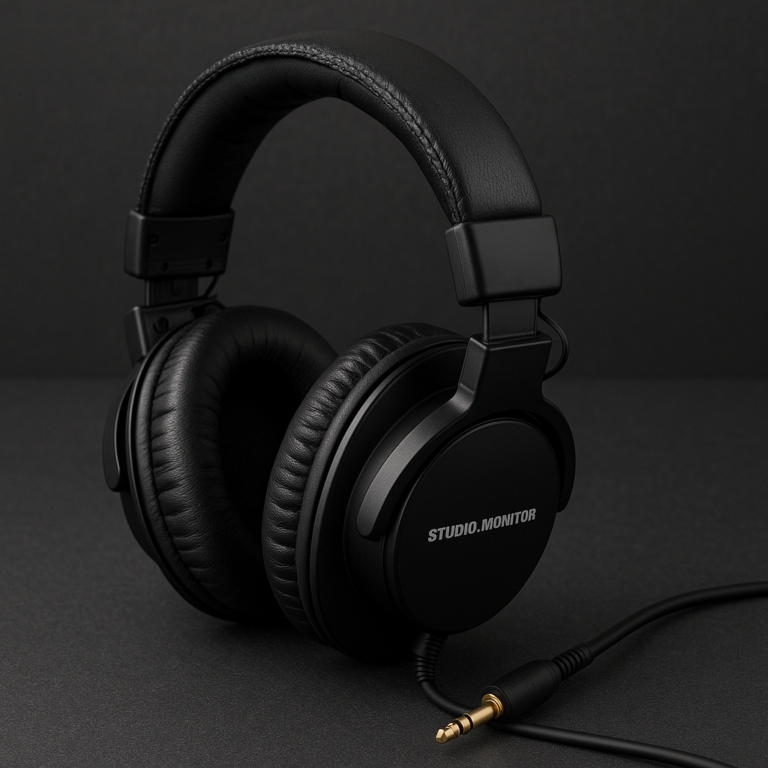
What features should I look for when buying high-quality headphones? Start with a comfortable fit and sound you enjoy, then match the design, noise control, connection, microphone, and durability to how you’ll use them. The best headphones aren’t the ones with the longest spec sheet; they’re the pair you’ll happily wear for hours.
We’ve seen impressive headphones lose the audition before the first song ends: the ear cups press on glasses, the bass overwhelms everything, or the controls require the dexterity of a concert pianist. A quick listening test can tell you more than a page of marketing claims—especially if you try familiar music and wear the pair long enough to notice hot spots.
From over-ear Bluetooth headphones to wired audiophile headphones and earphones, we’ll explain which features matter, which are personal preference, and which specs deserve a raised eyebrow. For a wider shortlist, see our guide to the best headphones.
Key Takeaways
- Prioritize fit and comfort: Weight, clamping force, ear-pad shape, and a secure earbud seal determine whether headphones feel good beyond a five-minute demo.
- Choose sound for your ears and listening: Frequency-response specs don’t tell the whole story; listen for balanced vocals, clear detail, and bass you actually enjoy.
- Match the design to your setting: Closed-back headphones and effective noise cancellation suit travel and shared spaces; open-back models are better for quiet rooms.
- Check the connection details: Compare wired and Bluetooth options, codec compatibility, battery life, multipoint support, and wireless latency.
- Don’t overlook practical features: Microphone quality, controls, water resistance, repairable parts, warranty, and app support can matter as much as sound.
- Try before you commit when possible: Test your own music, check the fit, and make sure the retailer’s return policy gives you room to decide.
Table of Contents
- ⚡ Quick Tips and Facts
- 🎧 How Headphone Design and Technology Have Evolved
- 🔎 What to Look for When Buying High-Quality Headphones
- Set Your Budget and Prioritize Your Needs
- Match Headphones to Your Listening Habits
- 🎒 Choose the Right Headphone Type for You
- 1. Over-Ear Headphones: Comfort, Sound, and Isolation
- 2. On-Ear Headphones: Compact, Lightweight Listening
- 3. Earbuds and In-Ear Monitors: Portable Sound That Fits
- 4. Gaming Headsets: Immersive Audio and Clear Chat
- 5. Studio Headphones: Accurate Audio for Recording and Mixing
- 🔌 Wired or Wireless Headphones: Which Connection Makes Sense?
- Bluetooth Codecs, Compatibility, and Wireless Audio Quality
- Battery Life, Charging, and Replaceable Batteries
- Latency, Multipoint, and Connection Stability
- 🎼 Understand Headphone Sound Quality
- Frequency Response, Bass, Mids, and Treble
- Sound Signature: Neutral, Warm, Bright, or Bass-Heavy
- Drivers, Distortion, Sensitivity, and Impedance
- Open-Back vs. Closed-Back Headphones
- Spatial Audio, Surround Sound, and Soundstage
- 🔇 Noise Isolation and Active Noise Cancellation
- Passive Isolation, ANC, and Transparency Modes
- When Noise Cancellation Is Worth It
- 🧠 Comfort, Fit, and Build Quality
- Clamping Force, Ear Cups, Headbands, and Weight
- Earbud Tips, Seal, and In-Ear Comfort
- Materials, Durability, Foldability, and Repairability
- Why Trying Headphones Before Buying Can Help
- 🎙️ Microphones and Call Quality
- Voice Pickup, Background-Noise Handling, and Sidetone
- Features for Work Calls, Streaming, and Gaming
- 🏃 Water Resistance and Headphones for Exercise
- Understanding IP Ratings
- Fit, Sweat Protection, and Outdoor Safety
- 📱 Controls, Apps, and Smart Features
- Equalizers, Customization, and Presets
- Firmware Updates and Long-Term Software Support
- Voice Assistants, Wear Detection, and Find-My Features
- Privacy, Permissions, and Headphone Data Collection
- 🔋 Accessories, Compatibility, and Everyday Practicalities
- Cables, Adapters, Cases, and Charging Options
- Device Compatibility and Operating-System Features
- Repairability, Warranty, and Customer Support
- 🛍️ How to Compare Headphones and Avoid Common Buying Mistakes
- Read Reviews Without Getting Distracted by Specs
- Check Return Policies and Test the Fit
- Prioritize Features You Will Actually Use
- ❓ Frequently Asked Questions About Buying Headphones
- What features matter most in high-quality headphones?
- Do expensive headphones always sound better?
- Are wired headphones better than Bluetooth headphones?
- How much battery life do wireless headphones need?
- Can headphones damage your hearing?
- 🤝 Why You Can Trust Our Headphone Advice
- ✅ Conclusion
- 🔗 Recommended Links
- 📚 Reference Links