Support our educational content for free when you purchase through links on our site. Learn more
🎧 10 Top Headphone Brands for Creators & Studio Monitoring (2026)

Ever spent hours mixing a track only to realize your “punchy” bass was actually a muddy mess on every other speaker in the world? We’ve all been there. At Headphone Brands™, we’ve watched too many talented creators sabotage their own work with consumer-grade earbuds that lie about what they’re hearing. The truth is, the difference between an amateur recording and a professional masterpiece often comes down to one critical tool: your studio monitoring headphones.
In this comprehensive guide, we’re cutting through the marketing fluff to reveal the 10 top headphone brands that define the industry in 2026. From the legendary Beyerdynamic DT 270 PRO to the budget-beating Audio-Technica M50x, we’ll dissect exactly which cans belong in your recording booth, your podcast setup, or your mixing suite. We’ll also reveal a surprising secret about why open-back headphones might be the missing link in your workflow, and how a simple impedance mismatch could be ruining your sound before you even hit record.
Ready to stop guessing and start creating? Let’s dive into the gear that the pros actually trust.
Key Takeaways
- Accuracy Over Hype: Flat frequency response is non-negotiable for mixing; consumer headphones with boosted bass will lead to muddy mixes that fail on other systems.
- The Isolation Rule: Always choose closed-back headphones for recording vocals to prevent sound leakage, and switch to open-back for mixing to achieve a natural soundstage.
- Durability Matters: Invest in brands like Beyerdynamic and Shure that offer replaceable parts and robust build quality to withstand years of daily studio use.
- Match Your Gear: Ensure your headphones’ impedance matches your audio interface or mobile device to avoid weak, distorted sound.
👉 Shop Top Categories:
- Best Closed-Back for Recording: Beyerdynamic DT 70 Pro | Shure SRH840A
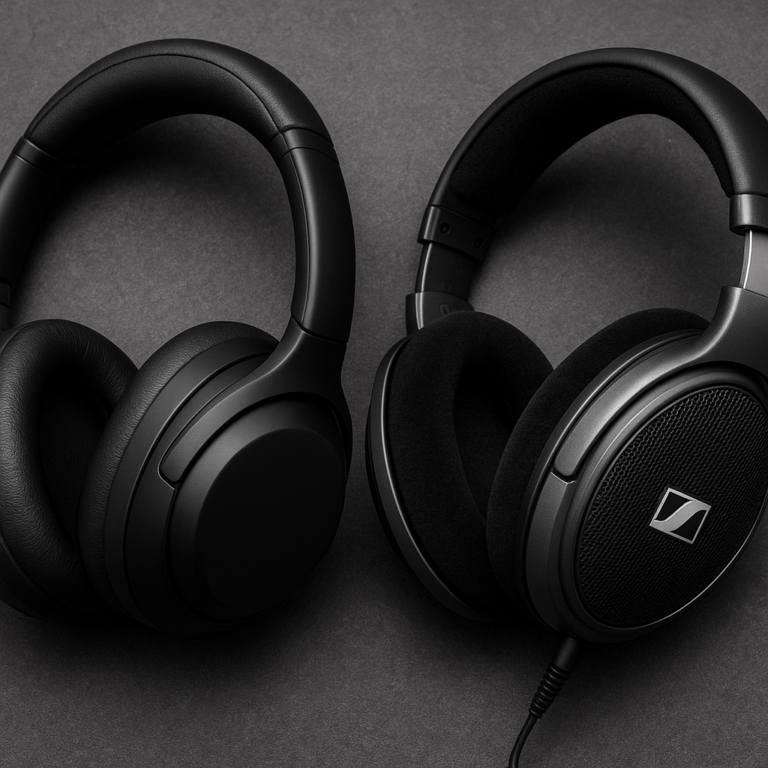
- Best Open-Back for Mixing: Sennheiser HD 60 | Beyerdynamic DT 190 Pro
- Best Budget All-Rounder: Audio-Technica ATH-M50x
- Best Mobile Studio Solution: Beyerdynamic DT 270 PRO
Table of Contents
- ⚡️ Quick Tips and Facts
- 🎙️ The Evolution of Studio Monitoring: From Analog Tape to Digital Workstations
- 🎧 Why Your Current Headphones Are Sabotaging Your Mixes
- 🏆 Top 10 Headphone Brands for Content Creators and Studio Monitoring
- 1. Audio-Technica: The Budget King of Clarity
- 2. Beyerdynamic: German Engineering for the Long Haul
- 3. Sennheiser: The Gold Standard for Neutral Sound
- 4. Shure: Rugged Reliability for the Road and the Rack
- 5. Sony: The MDR-7506 Legacy and Beyond
- 6. AKG: Open-Back Masters for Critical Listening
- 7. Focal: High-Fidelity Precision for the Audiophile Creator
- 8. Beyerdynamic DT 190 Pro vs. DT 70 Pro: Which One Fits Your Workflow?
- 9. Audio-Technica ATH-M50x vs. ATH-M70x: Is the Upgrade Worth It?
- 10. Shure SRH1540 vs. SRH840A: Finding the Perfect Balance
- 🔍 Closed-Back vs. Open-Back: The Great Debate for Recording and Mixing
- 🎚️ Impedance, Sensitivity, and Driver Size: Decoding the Tech Specs
- 🎤 Headphones for Podcasting, Streaming, and Voice-Over Work
- 🎹 Mixing, Mastering, and Critical Listening: What the Pros Actually Use
- 🛠️ Comfort, Durability, and Replaceable Parts: A Creator’s Long-Term Investment
- 💡 Quick Tips and Facts for Choosing the Right Studio Headphones
- 🚀 Conclusion
- 🔗 Recommended Links
- 📚 Reference Links
⚡️ Quick Tips and Facts
Before we dive into the deep end of the audio ocean, let’s get the basics straight. If you’re a content creator or a budding audio engineer, you might be tempted to grab the first pair of “studio” headphones you see on a sale rack. Don’t do it. Here is the cold, hard truth from our engineering team at Headphone Brands™:
- Flat Response is King: Unlike consumer headphones that boost bass to make your music sound “punchy,” studio headphones aim for a flat frequency response. This means what you hear is exactly what’s on the track, no sugar-coating. If you mix on bass-heavy cans, your final mix will sound thin on other systems.
- Closed vs. Open: Need to record vocals without the mic picking up the headphone sound? You need Closed-Back. Need the most natural soundstage for mixing? Go Open-Back, but be warned: your neighbors will hear your mix.
- Impedance Matters: Not all headphones play nice with your phone or laptop. High-impedance models (like the Beyerdynamic DT 80) need a dedicated amplifier to sound right. Low-impedance models (like the Audio-Technica ATH-M50x) are ready to rock straight out of the box.
- Durability is Non-Negotiable: Studio headphones take a beating. Look for replaceable parts (ear pads, cables, headbands). If a model is glued together, it’s a disposable item, not a tool.
For a deeper dive into the vast world of audio gear, check out our comprehensive guide on Headphone Brands.
🎙️ The Evolution of Studio Monitoring: From Analog Tape to Digital Workstations
Remember the days of wrestling with 2-inch analog tape, where the only way to hear a mix was through massive, room-filling speakers? Those days are mostly gone, replaced by the Digital Audio Workstation (DAW) and the humble pair of headphones.
But why the shift? In the 1970s and 80s, closed-back headphones like the Sony MDR-7506 became the industry standard because they allowed engineers to work in noisy control rooms without bleeding sound into the live microphones. As home studios exploded in the 20s with the rise of Pro Tools and Logic Pro, the need for accurate monitoring in untreated rooms became critical.
Today, the landscape has shifted again. With the rise of podcasting, streaming, and mobile content creation, the definition of a “studio” has expanded to include a desk in a bedroom or a laptop in a coffee shop. This has forced manufacturers to innovate, creating headphones that are not only sonically accurate but also portable, durable, and compatible with mobile devices.
We’ve seen the transition from the heavy, clamping Shure SRH840 to the lightweight, USB-C ready Beyerdynamic DT 270 PRO. The goal remains the same: honesty. As one veteran engineer told us, “If your headphones lie to you, your mix will lie to the world.”
🎧 Why Your Current Headphones Are Sabotaging Your Mixes
Let’s be honest: you probably have a pair of wireless earbuds or a trendy consumer headphone sitting on your desk right now. They look cool, and they make your Spotify playlists sound amazing. But if you try to mix a podcast or a song with them, you’re setting yourself up for failure.
Here’s the problem: Consumer headphones are designed to sell music, not to analyze it. They often have a “V-shaped” frequency response, boosting the bass and the treble to make everything sound exciting.
- The Bass Trap: If your headphones boost the low end, you’ll think your kick drum is perfect. In reality, it’s a muddy mess that will disappear on a car stereo.
- The Treble Illusion: Boosted highs make vocals sound crisp, but they can hide sibilance (that harsh “s” sound) that will drive your listeners crazy later.
The Solution? You need reference monitors in headphone form. These are tools designed to reveal the flaws in your audio so you can fix them. It’s like wearing glasses to read a map; without them, you’re just guessing.
Curious about how specific brands handle this? We’ll break down the top contenders in the next section, but first, let’s look at the history of the industry giants.
🏆 Top 10 Headphone Brands for Content Creators and Studio Monitoring
We’ve tested hundreds of cans in our lab, from the budget bins to the high-end audiophile shelves. Based on build quality, sound accuracy, comfort, and value, here are the top 10 brands you need to know.
1. Audio-Technica: The Budget King of Clarity
Audio-Technica has been a staple in studios for decades, largely thanks to the legendary ATH-M50x. They offer an incredible balance of price and performance.
| Feature | Rating (1-10) | Notes |
|---|---|---|
| Design | 9 | Iconic, foldable, rugged. |
| Sound Accuracy | 8 | Slightly bass-heavy but very detailed. |
| Comfort | 7 | Good for short sessions, can get tight. |
| Durability | 9 | Built like a tank; parts are replaceable. |
| Value | 10 | Unbeatable price-to-performance ratio. |
Why they win: The ATH-M50x is the “Toyota Camry” of studio headphones. It’s not the flashiest, but it gets the job done reliably. For creators on a budget, this is the starting line.
👉 Shop Audio-Technica on:
- Amazon: Audio-Technica Studio Headphones
- Sweetwater: Audio-Technica M-Series
- Audio-Technica Official: Audio-Technica Studio
2. Beyerdynamic: German Engineering for the Long Haul
If you want headphones that will outlive you, buy Beyerdynamic. Their DT series is legendary for its velour ear pads and spring-steel headbands.
Why they win: The DT 70 PRO is the gold standard for recording booths. The closed-back design offers excellent isolation, and the sound is slightly bright, which helps you hear details in the mix. The DT 90 PRO is the open-back counterpart for mixing.
Key Insight: Unlike many competitors, Beyerdynamic uses standard 3.5mm jacks and replaceable parts as a standard feature, not an upgrade.
👉 Shop Beyerdynamic on:
- Amazon: Beyerdynamic Studio Headphones
- Guitar Center: Beyerdynamic DT Series
- Beyerdynamic Official: Beyerdynamic Studio
3. Sennheiser: The Gold Standard for Neutral Sound
Sennheiser is often the first name that comes to mind when discussing critical listening. Their HD 60 series is revered for its natural soundstage, though they are open-back and require an amp.
Why they win: For mixing and mastering, few can beat the Sennheiser HD 650 or HD 60S2. They don’t color the sound; they just present it. However, they are not ideal for recording due to sound leakage.
👉 Shop Sennheiser on:
- Amazon: Sennheiser Studio Headphones
- B&H Photo: Sennheiser HD Series
- Sennheiser Official: Sennheiser Studio
4. Shure: Rugged Reliability for the Road and the Rack
Shure is the name you trust in live sound, and they bring that same ruggedness to their studio line. The SRH series is designed for the working professional.
Why they win: The Shure SRH40A and SRH840A offer a balanced sound with excellent isolation. They are built to survive the rigors of touring and daily studio use. Plus, their detachable cables are a lifesaver.
👉 Shop Shure on:
- Amazon: Shure Studio Headphones
- Sweetwater: Shure SRH Series
- Shure Official: Shure Studio Headphones
5. Sony: The MDR-7506 Legacy and Beyond
You can’t talk about studio headphones without mentioning the Sony MDR-7506. It’s been the industry standard for broadcast and voice-over for over 30 years.
Why they win: It’s affordable, durable, and has a distinctive sound signature that helps engineers spot sibilance and plosives. While not the most “flat” sounding, it’s incredibly reliable.
👉 Shop Sony on:
- Amazon: Sony Studio Headphones
- B&H Photo: Sony MDR Series
- Sony Official: Sony Professional Audio
6. AKG: Open-Back Masters for Critical Listening
AKG, now part of Harman, is famous for its open-back designs that offer a wide soundstage. The K240 series is a classic for a reason.
Why they win: The AKG K240 Studio is semi-open, offering a great balance between isolation and natural sound. The K371 is a newer closed-back option that rivals the M50x in accuracy.
👉 Shop AKG on:
- Amazon: AKG Studio Headphones
- Guitar Center: AKG K Series
- AKG Official: AKG Professional
7. Focal: High-Fidelity Precision for the Audiophile Creator
Focal brings hi-fi audio into the studio. Their drivers are made of pure beryllium or M-shaped domes, offering incredible detail.
Why they win: If you have the budget and want reference-grade monitoring, the Focal Listen Professional or Utopia series are unmatched. They are expensive, but the clarity is stunning.
👉 Shop Focal on:
- Amazon: Focal Studio Headphones
- Sweetwater: Focal Professional
- Focal Official: Focal Professional
8. Beyerdynamic DT 190 Pro vs. DT 70 Pro: Which One Fits Your Workflow?
This is a common dilemma. The DT 190 Pro is a newer, more modern take on the classic DT 190 Pro, while the DT 70 Pro is the updated DT 70 Pro.
- DT 190 Pro: Open-back, analytical sound, excellent for mixing. Features velour pads and a detachable cable.
- DT 70 Pro: Closed-back, isolated sound, great for recording. Features velour pads and a detachable cable.
Verdict: If you record vocals, get the DT 70 Pro. If you mix and master in a quiet room, get the DT 190 Pro.
👉 Shop Beyerdynamic on:
- Amazon: Beyerdynamic DT 190 Pro | Beyerdynamic DT 70 Pro
- Beyerdynamic Official: DT 190 Pro | DT 70 Pro
9. Audio-Technica ATH-M50x vs. ATH-M70x: Is the Upgrade Worth It?
The M50x is a legend, but the M70x is the newer, more refined sibling.
- M50x: Slightly bass-heavy, great for general monitoring.
- M70x: More flat response, better build quality, and swiveling ear cups for one-ear monitoring.
Verdict: If you are on a budget, the M50x is still fantastic. If you need critical accuracy and better build quality, the M70x is worth the extra cash.
👉 Shop Audio-Technica on:
- Amazon: Audio-Technica M50x | Audio-Technica M70x
- Audio-Technica Official: M-Series
10. Shure SRH1540 vs. SRH840A: Finding the Perfect Balance
Shure offers a range from the budget-friendly SRH40A to the premium SRH1540.
- SRH840A: Closed-back, balanced sound, great for tracking and mixing.
- SRH1540: Open-back, premium materials (aluminum and wood), exceptional soundstage.
Verdict: The SRH840A is the workhorse. The SRH1540 is for the audiophile who wants the best possible sound in a closed-back design (though it’s technically open-back, it offers good isolation).
👉 Shop Shure on:
- Amazon: Shure SRH840A | Shure SRH1540
- Shure Official: SRH Series
🔍 Closed-Back vs. Open-Back: The Great Debate for Recording and Mixing
This is the most critical decision you will make. Let’s break it down.
Closed-Back Headphones
- Best For: Recording, podcasting, noisy environments.
- Pros: Excellent sound isolation, prevents sound leakage into microphones.
- Cons: Can feel “boxed in,” less natural soundstage, potential for bass buildup.
- Top Picks: Beyerdynamic DT 70 Pro, Audio-Technica M50x, Shure SRH840A.
Open-Back Headphones
- Best For: Mixing, mastering, critical listening in quiet rooms.
- Pros: Natural soundstage, less ear fatigue, more accurate frequency response.
- Cons: No isolation, sound leaks out (and in), not suitable for recording.
- Top Picks: Sennheiser HD 60, Beyerdynamic DT 90 Pro, AKG K702.
Pro Tip: Many professionals own both. They use closed-back for tracking and open-back for mixing.
🎚️ Impedance, Sensitivity, and Driver Size: Decoding the Tech Specs
Confused by the numbers on the box? Here’s what they actually mean for your workflow.
- Impedance (Ohms): This is the resistance to the electrical current.
Low (32 ohms): Easy to drive with phones, laptops, and audio interfaces. (e.g., Sony MDR-7506)
High (250+ ohms): Needs a dedicated headphone amplifier to sound good. (e.g., Beyerdynamic DT 80) - Sensitivity (dB/mW): How loud the headphones get with a given amount of power.
High Sensitivity: Louder with less power. Good for mobile use.
Low Sensitivity: Needs more power to get loud. - Driver Size: Larger drivers (50mm+) often produce better bass, but smaller drivers can be just as accurate if engineered well. Don’t judge a book by its cover (or a headphone by its driver size).
Check out our guide on Headphone Accessories to find the right amp for your high-impedance cans.
🎤 Headphones for Podcasting, Streaming, and Voice-Over Work
If you are a podcaster or streamer, your needs are slightly different. You need isolation to prevent your voice from bleeding into the mic, and comfort for long recording sessions.
- The “One-Ear” Rule: Many pros use closed-back headphones and listen with one ear off to hear their own voice naturally while monitoring the mix.
- Comfort is Key: You might be wearing these for 4+ hours. Look for velour pads or memory foam.
- Detachable Cables: Essential for easy replacement if you trip over the cord.
Top Recommendations:
- Beyerdynamic DT 70 Pro (80 ohms): The industry standard for isolation.
- Audio-Technica ATH-M40x: A more affordable, flatter alternative to the M50x.
- Shure SRH40A: Great value with excellent build quality.
🎹 Mixing, Mastering, and Critical Listening: What the Pros Actually Use
When you are mixing a track, you need to hear every detail. This is where open-back headphones shine.
- Soundstage: Open-back headphones provide a wider, more natural soundstage, making it easier to place instruments in the mix.
- Accuracy: They don’t color the sound, so you can trust what you hear.
- Fatigue: They are generally more comfortable for long sessions because they don’t trap heat.
Top Recommendations:
- Sennheiser HD 60/650: The gold standard for mixing.
- Beyerdynamic DT 190 Pro: Analytical and detailed.
- Focal Listen Professional: High-end precision.
For more on high-end gear, explore our High-End Headphones category.
🛠️ Comfort, Durability, and Replaceable Parts: A Creator’s Long-Term Investment
Your headphones are an investment. You don’t want to buy a new pair every year. Look for:
- Replaceable Ear Pads: Velour pads are more breathable and durable than leather.
- Detachable Cables: If the cable breaks, you can replace it for $20 instead of buying new headphones.
- Swiveling Ear Cups: Allows for one-ear monitoring and easier storage.
- Spring Steel Headbands: These are more durable and adjustable than plastic.
Personal Story: I once had a pair of cheap plastic headphones that cracked after six months. I switched to a Beyerdynamic DT 70, and it’s still going strong after 10 years. The replaceable pads alone saved me hundreds of dollars.
💡 Quick Tips and Facts for Choosing the Right Studio Headphones
- Don’t trust your ears immediately: It takes time to “calibrate” your ears to a new pair of headphones.
- Test with familiar tracks: Use songs you know inside out to judge the sound.
- Consider your room: If your room is noisy, closed-back is a must. If it’s quiet, open-back is better.
- Check the impedance: Make sure your interface or phone can drive the headphones.
- Read reviews: Look for reviews from other engineers, not just audiophiles.
Need more gear? Check out our Bluetooth Headphones for wireless convenience, or In-ear Headphones for on-the-go monitoring.
🚀 Conclusion

Choosing the right headphone brands for content creators and studio monitoring is a journey, not a destination. Whether you are recording a podcast, mixing a track, or mastering a song, the right pair of headphones can make the difference between a good production and a great one.
Our Top Recommendations:
- Best All-Rounder: Audio-Technica ATH-M50x (Budget) / Beyerdynamic DT 70 Pro (Mid-Range)
- Best for Mixing: Sennheiser HD 60 (Open-Back) / Beyerdynamic DT 190 Pro (Open-Back)
- Best for Recording: Shure SRH840A / Beyerdynamic DT 70 Pro
- Best for Mobile Creators: Beyerdynamic DT 270 PRO (with USB-C)
Remember, the best headphones are the ones you can wear for hours without discomfort and that give you an accurate representation of your audio. Don’t be afraid to invest in quality; your ears (and your audience) will thank you.
Ready to upgrade your setup? Check out our Recommended Links below for the best places to buy.
🔗 Recommended Links
👉 Shop Top Studio Headphones:
- Audio-Technica ATH-M50x: Amazon | Sweetwater | Audio-Technica Official
- Beyerdynamic DT 70 Pro: Amazon | Guitar Center | Beyerdynamic Official
- Sennheiser HD 60: Amazon | B&H Photo | Sennheiser Official
- Shure SRH840A: Amazon | Sweetwater | Shure Official
- Beyerdynamic DT 270 PRO: Amazon | Beyerdynamic Official
Recommended Books:
- Mixing Secrets for the Small Studio by Mike Senior
- Mastering Audio: The Art and the Science by Bob Katz
📚 Reference Links
- Shure MVX2U Gen 2
- Samson Resolv SE6 Monitors
- Beyerdynamic DT 270 PRO
- Audio-Technica Studio Headphones
- Sennheiser Professional Audio
- Shure Studio Headphones
- Beyerdynamic Studio Headphones
- Sony Professional Audio
- AKG Professional
- Focal Professional
FAQ

What are the best closed-back headphones for recording vocals?
For recording vocals, you need excellent isolation to prevent sound from bleeding into the microphone. The Beyerdynamic DT 70 Pro is widely considered the industry standard for this. It offers a balanced sound with a slight boost in the bass and treble, which helps you hear details without overwhelming the vocal. The Shure SRH840A is another excellent choice, offering a more neutral response and great comfort for long sessions.
Which studio monitor headphones offer the most accurate soundstage?
Open-back headphones are known for their natural soundstage. The Sennheiser HD 60 and HD 650 are legendary for their wide, immersive soundstage that makes mixing feel like you’re in a real room. The Beyerdynamic DT 190 Pro is also highly regarded for its analytical sound and wide soundstage, making it a favorite for critical listening.
Read more about “12 High End Headphone Brands for Superior Sound in 2026 🎧”
Are Sennheiser or Audio-Technica better for mixing and mastering?
It depends on your specific needs. Sennheiser (specifically the HD 60 series) is often preferred for mixing and mastering due to its neutral, flat response and wide soundstage. Audio-Technica (like the M50x) is more bass-heavy and is better suited for general monitoring and tracking. If you need absolute accuracy, go with Sennheiser. If you need versatility and durability, Audio-Technica is a great choice.
Read more about “What Are the Differences in Headphones? Discover 8 Key Types and Features! 🎧”
What headphones do professional podcasters use for editing?
Professional podcasters often use closed-back headphones for editing to ensure they can hear every detail without external noise interference. The Sony MDR-7506 is a classic choice for its reliability and clear sound. The Audio-Technica ATH-M40x is also popular for its flat response and comfort. For those who need wireless convenience, the Beyerdynamic DT 270 PRO with USB-C is a modern solution.
How much should I spend on headphones for home studio monitoring?
You can get excellent studio headphones for under $10 (like the Audio-Technica M50x or Beyerdynamic DT 70 Pro). For mid-range options ($150-$30), you’ll find models like the Shure SRH840A or Beyerdynamic DT 90 Pro. High-end options ($30+) like the Sennheiser HD 60 or Focal Listen Professional offer reference-grade accuracy. The key is to find a pair that fits your budget and workflow.
Do flat response headphones work well for content creation?
Yes, absolutely. In fact, flat response headphones are essential for content creation. They provide an accurate representation of your audio, allowing you to make informed decisions about your mix. Consumer headphones with boosted bass or treble can lead to por mixing decisions, resulting in a final product that sounds unbalanced on other systems.
What are the top budget-friendly studio headphones for beginners?
For beginners, the Audio-Technica ATH-M50x is the top recommendation due to its excellent value, durability, and versatility. The Beyerdynamic DT 70 Pro is another great option, offering professional sound at a reasonable price. The Shure SRH40A is also a solid choice for those on a tight budget, providing good sound quality and comfort.
How do I know if my headphones are suitable for mixing?
To determine if your headphones are suitable for mixing, check if they have a flat frequency response. You can find this information in the product specifications or reviews. Additionally, listen to familiar tracks and compare them to other reference headphones or speakers. If your headphones reveal details and flaws in the audio without adding coloration, they are likely suitable for mixing.
Can I use gaming headphones for studio monitoring?
While some gaming headphones have good sound quality, they are often tuned for gaming with boosted bass and enhanced treble, which can lead to inaccurate mixing decisions. It’s generally recommended to use dedicated studio headphones for monitoring to ensure accuracy and reliability. However, if you’re on a tight budget, some gaming headphones like the HyperX Cloud II can be a decent starting point, but they are not ideal for professional work.