Support our educational content for free when you purchase through links on our site. Learn more
🎧 Who Made Headphones Popular? The 3 Inventors You Didn’t Know (2026)


You might think Steve Jobs or the iPod made headphones famous, but the real story starts with a Utah inventor named Nathaniel Baldwin and a 1979 Sony Walkman that turned listening into a global fashion craze. When you ask who made headphones popular, the answer isn’t a single person, but a chain of innovators who transformed a clunky telegraph tool into the ultimate personal sound bubble.
Did you know the first modern headphones were built on a kitchen table in 1910? Nathaniel Baldwin created them for the US Navy but famously refused to patent his design, losing out on millions while the technology sat dormant for decades. It wasn’t until John Koss introduced stereo sound in 1958 and Sony unleashed the Walkman in 1979 that headphones truly exploded into the mainstream.
Today, roughly 12 pairs of headphones are sold every single second worldwide, proving that our craving for private soundscapes is stronger than ever. From the heavy, utilitarian cans of the early 20th century to the sleek, wireless earbuds of today, the journey is a fascinating mix of engineering genius and cultural rebellion.
Key Takeaways
- Nathaniel Baldwin invented the first modern headphones in 1910 but lost his fortune by not patenting the design.
- John Koss revolutionized the industry in 1958 by creating the first stereo headphones, turning them into a music-listening device.
- Sony made headphones a fashion statement in 1979 with the Walkman, shifting listening from a private act to a public lifestyle.
- The iPod and AirPods later cemented headphones as a cultural icon, driving the wireless revolution we see today.
- Active Noise Cancellation (ANC) and spatial audio are the modern drivers keeping the market booming in 2026.
Table of Contents
- ⚡️ Quick Tips and Facts
- 🎧 The Genesis of Sound: Who Actually Made Headphones Popular?
- 📜 From Radio Operators to Rock Stars: A Brief History of Headphone Evolution
- 🎤 The Cultural Shift: How Music Genres and Celebrities Drove Headphone Adoption
- 🏆 The Titans of Audio: Top Brands That Defined the Headphone Industry
- 🔊 Over-Ear vs. In-Ear vs. On-Ear: Understanding the Form Factors That Changed Everything
- 🎵 The Wireless Revolution: How Bluetooth Killed the Aux Cable and Exploded Popularity
- 🧠 The Psychology of Listening: Why We Crave Personal Soundscapes
- 🛒 The Ultimate Buyer’s Guide: Choosing the Right Headphones for Your Lifestyle
- 💡 7 Essential Tips for Maximizing Your Headphone Experience
- 🚀 Future Trends: What’s Next for the Headphone Market?
- 🏁 Conclusion
- 🔗 Recommended Links
- ❓ FAQ
- 📚 Reference Links
⚡️ Quick Tips and Facts
Before we dive into the dusty archives of audio history, let’s hit the rewind button on some myths you might believe. You think the iPod invented headphones? Think again. You think noise cancellation is a 21st-century miracle? Nope, it’s older than your favorite vinyl record.
Here are the hard truths from the lab at Headphone Brands™:
- The “First” Headphones: They weren’t for music. They were for telegraphy. In the late 180s, operators needed hands-free listening to manage calls.
- The Kitchen Table Inventor: The first modern headphones were invented by Nathaniel Baldwin in 1910 on his kitchen table in Utah. He sold them to the US Navy, but he famously didn’t patent the design, losing out on millions.
- The Stereo Shift: John Koss is the real MVP who turned headphones from a utility into a lifestyle in 1958 with the first stereo headphones.
- The Fashion Icon: The Sony Walkman (1979) didn’t just make music portable; it made wearing headphones cool. Before that, it was a bit of a “nerd” move.
- The Industry Standard: If you walk into a professional recording studio today, you’ll likely see the Sony MDR-7506. They are the “black box” of audio—indestructible and everywhere.
- Market Stats: Globally, roughly 12 pairs of headphones are sold every single second. That’s a lot of ear cups!
For a deeper dive into the current market leaders, check out our breakdown on What is the most used headphone brand?.
🎧 The Genesis of Sound: Who Actually Made Headphones Popular?
If you asked a random person on the street, “Who made headphones popular?” they’d probably say, “Steve Jobs and the iPod.” And sure, the iPod made them ubiquitous, but it didn’t invent the popularity. The story of who made headphones popular is a three-act play involving a telephone operator, a jazz musician, and a Japanese tech giant.
Act I: The Utility Era (180s–1950s)
It all started with the telephone. In the 180s, telephone operators were the first to wear “headphones,” but they were heavy, clunky, and strictly for work. They were essentially two earpieces connected by a headband, designed to keep the operator’s hands free while managing the switchboard.
“The first modern headphones were invented by Nathaniel Baldwin in 1910 on his kitchen table.” — Audio Engineering History
Baldwin’s design was revolutionary because it used dynamic drivers (the same technology in modern speakers) and a headband that actually rested on the head comfortably. But here’s the kicker: Baldwin thought his invention was too good to be true, so he never patented it. He sold a batch to the US Navy, but when the Navy tried to mass-produce them, the quality control was a nightmare because Baldwin refused to share his secrets. He went bankrupt, and the technology sat dormant for decades.
Act II: The Stereo Revolution (1958)
Fast forward to 1958. Enter John Koss. He was an engineer who realized that people wanted to listen to music privately without disturbing their roomates. He co-founded Koss Corporation and released the Koss SP/3, the world’s first stereo headphones.
Suddenly, headphones weren’t just for radio operators; they were for music lovers. Koss realized that if you wanted high-fidelity sound, you needed a dedicated pair of cans. This was the moment headphones transitioned from a tool to a toy.
Act III: The Walkman Effect (1979)
But the real explosion of popularity happened in 1979. Sony launched the Walkman TPS-L2. It wasn’t the first portable music player, but it was the first to pair a cassette player with lightweight, foldable headphones.
Before the Walkman, wearing headphones in public was weird. You looked like a radio operator or a doctor. After the Walkman, you looked like a cool kid. The headphones that came with it (the MDR-3) were tiny, white, and looked like something out of a sci-fi movie. They became a fashion statement.
Why this matters: The Walkman proved that music could be a personal bubble. It shifted the culture from communal listening (speakers in the living room) to isolated listening (your own world).
📜 From Radio Operators to Rock Stars: A Brief History of Headphone Evolution

The journey from the switchboard to the subway is a tale of engineering ingenuity and cultural rebellion. Let’s break down the timeline that shaped the way we listen today.
The Early Days: Heavy and Clunky
In the early 20th century, headphones were heavy. They used large dynamic drivers and thick padding. They were designed for longevity, not comfort. If you wore them for more than an hour, your neck would scream for mercy.
- 1910: Nathaniel Baldwin invents the first modern headphones.
- 1937: Beyerdynamic releases the DT 48, the first dynamic headphone designed for broadcasting. It became a studio standard for decades.
The Hi-Fi Boom: The 1960s and 70s
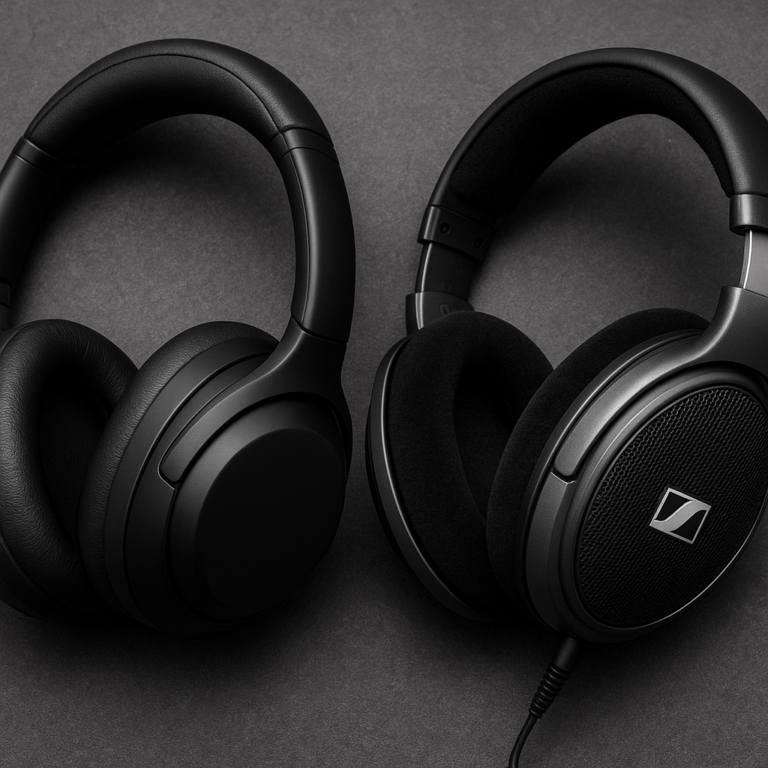
As rock and roll took over, so did the demand for better sound. Koss introduced the Koss Porta Pro in 1983, which became a legend for its portability and sound quality. But the real game-changer was the Sennheiser HD 414 in 1968. It was the first open-back headphone, offering a more natural soundstage.
“The headphones themselves were very distinctive, and they became sort of a fashion statement.” — John Koss
The Digital Age: MP3s and Bluetooth
The 20s brought the MP3 player, and with it, the in-ear monitor (IEM) revolution. Apple changed the game again with the iPod and the EarPods (and later, AirPods). Suddenly, everyone was walking around with white wires dangling from their ears.
But the wireless revolution (Bluetooth) in the 2010s finally killed the cable. Sony and Bose led the charge with Active Noise Cancellation (ANC), making headphones essential for commuters and travelers.
The Modern Era: Spatial Audio and AI
Today, we’re seeing spatial audio, AI-driven sound tuning, and health tracking built into headphones. The evolution isn’t slowing down; it’s accelerating.
🎤 The Cultural Shift: How Music Genres and Celebrities Drove Headphone Adoption
Headphones didn’t just become popular because they sounded good. They became popular because culture demanded them.
The “Insular” Listening Era
According to a recent report in The Atlantic, listening habits have shifted from communal to insular. In the 1980s, the Beastie Boys sang about “fighting for your right to party” with music blasting from speakers. Today, the hit song “Headphones On” by Addison Rae celebrates the act of sealing yourself off from the world.
“The more time we spend in our own musical echo chambers, the less likely we are to share a collective cultural experience.” — The Atlantic
This shift is driven by the desire for personalization. We want our own soundtrack, our own noise, our own world.
Celebrities and the “Cool Factor”
In the 1980s, Michael Jackson and Madonna were seen wearing headphones in music videos. In the 190s, hip-hop artists like Dr. Dre made over-ear headphones a status symbol. Today, influencers and podcasters like Emily Lex (who writes about “pop those headphones in”) use headphones to create a personal connection with their audience.
The Podcast Phenomenon
Podcasts have taken headphone usage to new heights. As Emily Lex notes, headphones transform daily chores into a reward. They allow you to concentrate on the content while your hands are busy.
“My goodness, what a difference it makes! No more getting caught up in a cord!” — Emily Lex
This wireless freedom has made headphones indispensable for the modern lifestyle.
🏆 The Titans of Audio: Top Brands That Defined the Headphone Industry
While many brands have tried, only a few have truly defined the industry. Let’s meet the giants that shaped the headphone market.
Sony: The All-Rounder
Sony is the undisputed king of versatility. From the MDR-7506 (the studio standard) to the WH-10XM5 (the ANC king), Sony has it all.
- Key Product: Sony MDR-7506
Why it’s popular: It’s indestructible, affordable, and sounds flat and analytical.
Usage: Used by professionals in recording studios, TV production, and film sound mixing.
Quote: “It’s what professionals use to make the audio you hear.”
Bose: The Noise Cancellation Pioneer
Bose didn’t invent noise cancellation, but they perfected it. Dr. Amar Bose developed the technology after a frustrating flight, and now it’s a must-have feature for travelers.
- Key Product: Bose QuietComfort Ultra
Why it’s popular: Best-in-class ANC and comfort.
Usage: Travel, commuting, and office work.
Apple: The Lifestyle Icon
Apple made headphones fashion. The AirPods are the most recognizable headphones in the world. They changed the way we interact with our devices.
- Key Product: AirPods Pro
Why it’s popular: Seamless integration with Apple devices, spatial audio, and transparency mode.
Usage: Everyday listening, calls, and workouts.
Sennheiser: The Audiophile’s Choice
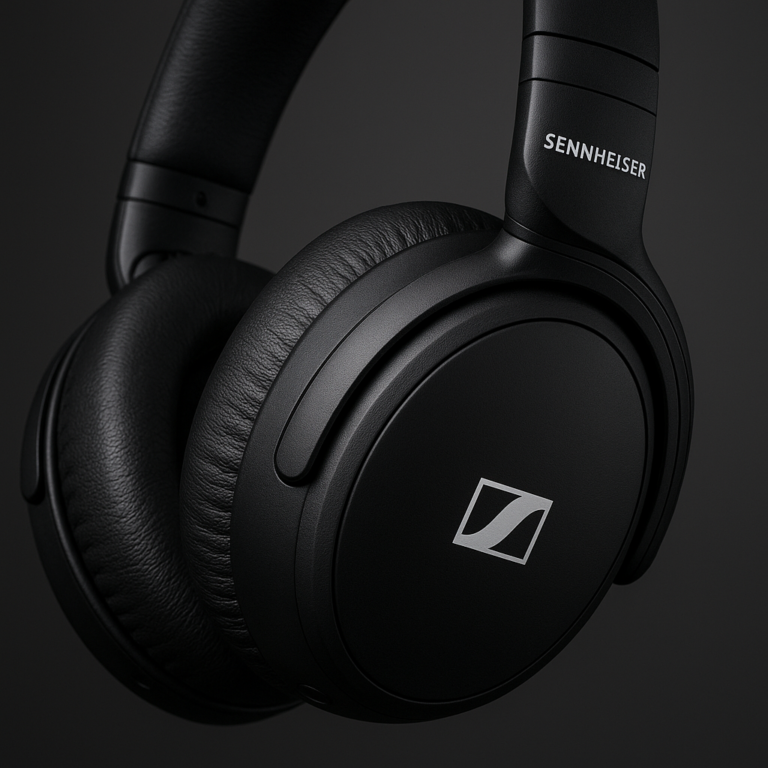
Sennheiser is the go-to for sound quality. Their HD 60 series is legendary among audiophiles for its natural soundstage.
- Key Product: Sennheiser HD 60S2
Why it’s popular: Exceptional detail and clarity.
Usage: Critical listening, home audio, and studio monitoring.
Koss: The Original Innovator
Koss is the brand that started it all. Their Porta Pro is still a favorite for its portability and sound quality.
- Key Product: Koss Porta Pro
Why it’s popular: Lightweight, durable, and sounds great.
Usage: Travel, casual listening, and nostalgia.
🔊 Over-Ear vs. In-Ear vs. On-Ear: Understanding the Form Factors That Changed Everything
Not all headphones are created equal. The form factor you choose can make or break your listening experience. Let’s break down the three main types.
Over-Ear (Circumaural)
These headphones cover your entire ear. They offer the best sound quality and noise isolation.
- Pros:
Best sound quality due to larger drivers.
Comfortable for long listening sessions.
Great noise isolation. - Cons:
Bulky and not portable. - Can get hot in warm weather.
- Best for: Home listening, studio work, and long flights.
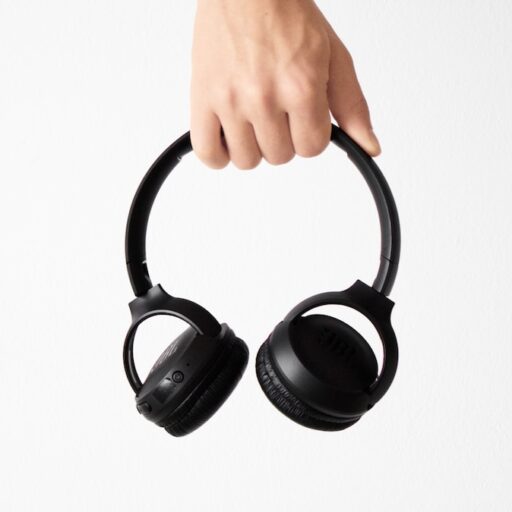
On-Ear (Supra-aural)
These headphones rest on your ears. They are a middle ground between over-ear and in-ear.
- Pros:
Portable and lightweight.
Good sound quality. - Cons:
- Can cause ear fatigue after long sessions.
Less noise isolation. - Best for: Commuting, casual listening, and travel.
In-Ear (Earbuds/IEMs)
These headphones fit inside your ear canal. They are the most portable and discret.
- Pros:
Ultra-portable.
Great noise isolation (if fitted correctly).
Discret. - Cons:
Fit issues (not everyone’s ear shape works).
Less sound quality compared to over-ear. - Best for: Workouts, commuting, and on-the-go listening.
| Feature | Over-Ear | On-Ear | In-Ear |
|---|---|---|---|
| Sound Quality | ⭐ | ⭐ | ⭐ |
| Comfort | ⭐ | ⭐ | ⭐ |
| Portability | ⭐ | ⭐ | ⭐ |
| Noise Isolation | ⭐ | ⭐ | ⭐ |
| Price Range | $ | $$ | $$$ |
🎵 The Wireless Revolution: How Bluetooth Killed the Aux Cable and Exploded Popularity
The aux cable was the lifeline of the audio world for decades. But Bluetooth changed everything.
The Birth of Bluetooth
Bluetooth technology was launched in 19, but it took years to become reliable. Early Bluetooth headphones were plagued by latency, dropouts, and por sound quality.
The Tipping Point
The tipping point came with the Apple AirPods in 2016. They made wireless headphones seamless and intuitive. Suddenly, everyone wanted to cut the cord.
The Impact on Popularity
Wireless headphones made listening effortless. You could walk around your house, gym, or office without being tethered to your device. This fredom drove the massive growth in headphone sales.
“Globally, 12 pairs of headphones are sold every second.” — Industry Stat
The Future of Wireless
The future is spatial audio, AI-driven sound tuning, and health tracking. Wireless headphones are no longer just for music; they’re for everything.
🧠 The Psychology of Listening: Why We Crave Personal Soundscapes
Why do we love headphones so much? It’s not just about the music. It’s about the psychology of listening.
The “Personal Bubble”
Headphones create a personal bubble. They allow you to block out the world and focus on your own thoughts. This is especially important in a noisy world.
The “Flow State”
Headphones can help you enter a flow state. By blocking out distractions, you can focus on your work, study, or creative projects.
The “Emotional Connection”
Headphones create a stronger emotional connection to music. The sound is direct and intimate, making you feel like the artist is singing just for you.
The “Social Isolation” Debate
Some argue that headphones are making us more isolated. We’re less likely to share music with others, and more likely to listen to our own echo chambers.
“The more time we spend in our own musical echo chambers, the less likely we are to share a collective cultural experience.” — The Atlantic
But for many, headphones are a lifeline. They provide comfort, focus, and escape.
🛒 The Ultimate Buyer’s Guide: Choosing the Right Headphones for Your Lifestyle
Ready to buy? Don’t just grab the first pair you see. Here’s how to choose the right headphones for your lifestyle.
Step 1: Define Your Use Case
- Comuting: Look for noise cancellation and portability.
- Studio Work: Look for flat sound and durability.
- Workouts: Look for sweat resistance and secure fit.
- Home Listening: Look for sound quality and comfort.
Step 2: Set Your Budget
- Budget ($50-$10): Great for casual listening.
- Mid-Range ($10-$30): Best value for money.
- High-End ($30+): For audiophiles and professionals.
Step 3: Choose Your Form Factor
- Over-Ear: Best for sound quality and comfort.
- On-Ear: Best for portability and style.
- In-Ear: Best for workouts and travel.
Step 4: Check the Features
- Noise Cancellation: Essential for travel and commuting.
- Battery Life: Look for at least 20 hours for wireless.
- Connectivity: Bluetooth 5.0 or higher for better stability.
- Microphone: Essential for calls and virtual meetings.
Step 5: Read Reviews
Don’t just trust the marketing. Read real user reviews and expert reviews to get the full picture.
💡 7 Essential Tips for Maximizing Your Headphone Experience
You’ve got your new headphones. Now what? Here are 7 essential tips to get the most out of them.
1. Get the Right Fit
A por fit can ruin the sound. Make sure the ear cups cover your ears completely (for over-ear) or that the ear tips seal your ear canal (for in-ear).
2. Break Them In
New headphones can sound harsh at first. Give them a few days to break in for the best sound.
3. Clean Them Regularly
Dirt and oil can damage the drivers. Clean your headphones with a soft cloth and mild soap.
4. Store Them Properly
Don’t just throw them in your bag. Use a case to protect them from damage.
5. Update the Firmware
Many wireless headphones have firmware updates that improve sound quality and battery life. Check the app regularly.
6. Use the Right EQ
Most headphones have a default EQ that’s not perfect. Use the app to customize the sound to your preferences.
7. Take Breaks
Listening for too long can damage your hearing. Take a 10-minute break every hour.
🚀 Future Trends: What’s Next for the Headphone Market?
The headphone market is evolving faster than ever. Here’s what’s coming next.
Spatial Audio and 3D Sound
Spatial audio is the next big thing. It creates a 3D soundstage that makes you feel like you’re in a live concert.
AI-Driven Sound Tuning
AI will soon analyze your hearing and tune the sound to your unique preferences.
Health Tracking
Headphones will soon track your heart rate, stress levels, and sleep quality.
Sustainable Materials
As the world becomes more eco-conscious, we’ll see more headphones made from recycled materials.
The End of the Jack?
The 3.5mm jack is slowly disappearing. The future is wireless and USB-C.
🏁 Conclusion

So, who made headphones popular? It wasn’t one person. It was a collaboration of inventors, musicians, and tech giants over the last century. From Nathaniel Baldwin’s kitchen table to John Koss’s stereo revolution, and Sony’s Walkman, each step brought us closer to the personal soundscapes we enjoy today.
Headphones have evolved from a utility to a lifestyle. They are no longer just for listening to music; they are for focus, escape, and connection. Whether you’re a professional using the Sony MDR-7506 in the studio, a commuter using Bose ANC, or a podcaster like Emily Lex using wireless headphones to transform your chores, headphones are an essential part of modern life.
As we look to the future, the wireless revolution and AI-driven sound will only make headphones more personalized and integrated into our lives. So, the next time you put on your headphones, remember: you’re not just listening to music. You’re participating in a century-long journey of sound, culture, and innovation.
Ready to upgrade your listening experience? Check out our Bluetooth Headphones or Audiophile Headphones categories for the latest picks.
🔗 Recommended Links
- 👉 Shop Sony Headphones on: Amazon | Walmart | Sony Official
- 👉 Shop Bose Headphones on: Amazon | Best Buy | Bose Official
- 👉 Shop Apple AirPods on: Amazon | Apple Official
- 👉 Shop Sennheiser Headphones on: Amazon | Sweetwater | Sennheiser Official
- 👉 Shop Koss Headphones on: Amazon | Koss Official
- Recommended Books:
- The History of Sound: A Journey Through the World of Audio
- Headphones: The Ultimate Guide to Choosing and Using Headphones
❓ FAQ

Who came up with the headphones?
The first modern headphones were invented by Nathaniel Baldwin in 1910. He created them on his kitchen table in Utah and sold them to the US Navy. However, he never patented the design, which led to his financial ruin.
Read more about “👑 What Headphones Does Everyone Wear? (2026)”
Which brand first made headphones a fashion statement?
Sony is credited with making headphones a fashion statement with the launch of the Walkman in 1979. The accompanying headphones were lightweight, foldable, and stylish, transforming the device into a global fashion icon for youth culture.
How did Sony and Bose change headphone popularity?
Sony revolutionized the industry with the Walkman, making headphones portable and fashionable. Bose changed the game with Active Noise Cancellation (ANC), making headphones essential for travel and commuting. Together, they drove the mass adoption of headphones.
Read more about “12 Legendary Old Headphone Brands You Need to Know in 2025 🎧”
What role did the iPod play in making headphones popular?
The iPod (launched in 201) made headphones ubiquitous by pairing a portable music player with white earbuds. It created a cultural phenomenon where everyone was seen with white wires dangling from their ears. The iPod made headphones a status symbol and a must-have accessory.
Why are over-ear headphones becoming trendy again?
Over-ear headphones are becoming trendy again due to the rise of audiophile culture and the desire for better sound quality. They offer superior sound, comfort, and noise isolation compared to in-ear models. Additionally, the retro aesthetic of over-ear headphones appeals to vintage enthusiasts.
What are the benefits of over-ear headphones?
Over-ear headphones offer better sound quality, more comfort for long sessions, and superior noise isolation. They are ideal for home listening, studio work, and long flights.
Are over-ear headphones better for workouts?
Not necessarily. In-ear or on-ear models are often better for workouts due to their lightweight and secure fit. Over-ear models can get hot and uncomfortable during intense exercise.
📚 Reference Links
- Sony MDR-7506: The Universal Standard
- The Cultural Shift in Listening Habits
- Pop Those Headphones In – Emily Lex
- John Koss: The Father of Stereo Headphones
- The History of Bluetooth Technology
- Nathaniel Baldwin: The Inventor Who Didn’t Patent
- Sony Walkman: The Device That Changed Music Forever
- Bose Noise Cancellation: The Story Behind the Technology
- Apple AirPods: The Product That Changed the Industry
- Sennheiser: The Audiophile’s Choice