Support our educational content for free when you purchase through links on our site. Learn more
🎧 15+ Types of Headphones Explained: The Ultimate 2026 Guide

The right pair of headphones isn’t just about the brand; it’s about matching the form factor, acoustic design, and connectivity to your specific lifestyle. When you ask, “What are the different types of headphones?“, the answer isn’t a single number but a spectrum ranging from bone-conduction sensors that vibrate your cheekbones to massive open-back rigs that turn your living room into a concert hall.
We once spent three hours testing a pair of “open-ear” buds on a crowded subway, only to realize the person next to us was listening to our playlist because the sound leakage was so high. That moment taught us that no single type fits every scenario. Whether you need the silence of active noise cancellation for a flight or the transparency of an open-back design for mixing, understanding the nuances is the only way to stop guessing and start listening.
Did you know that the first “headphones” weighed over 10 pounds and were worn like a shoulder harness by telephone operators in the 180s? We’ve come a long way from those clunky giants to the sleek, high-fidelity earbuds we carry in our pockets today.
Key Takeaways
-
Fit is everything: Over-ear models offer the best soundstage and comfort for long sessions, while in-ear monitors provide superior portability and passive isolation.
-
Acoustics matter: Choose closed-back for noise isolation and bass, or open-back for a natural, airy soundstage in quiet environments.
-
Connectivity defines usage: Wired connections ensure zero latency and lossless audio, whereas Bluetooth offers unmatched freedom for travel and workouts.
-
Safety first: Headphones with excellent passive isolation allow you to listen at lower, safer volumes in noisy environments.
-
Find the Best In-Ear Monitors: Amazon | Sweetwater
-
Explore Noise-Cancelling Models: Amazon | Official Brand Stores
Table of Contents
- ⚡️ Quick Tips and Facts
- 📜 From Phonographs to Pods: A Brief History of Headphone Evolution
- 🎧 The Big Three: Understanding Headphone Form Factors and Fit
- 1. Over-Ear (Circumaural) Headphones: The Immersive Giants
- 2. On-Ear (Supraural) Headphones: The Compact Middle Ground
- 3. In-Ear Monitors (IEMs) and Earbuds: The Pocket-Sized Powerhouses
- 4. Open-Ear and Bone Conduction: Hearing the World Around You
- 5. Clip-On and Neckband Styles: Niche Designs for Specific Needs
- 🔇 Acoustic Architecture: Open-Back vs. Closed-Back vs. Semi-Open
- 🔌 Wired vs. Wireless: The Great Connectivity Debate
- 1. Bluetooth Headphones: Freedom with a Catch
- 2. Wired Headphones: The Audiophile’s Uncompromised Choice
- 3. Hybrid and Multipoint Connections: Best of Both Worlds
- 🤫 Noise Control: Active Noise Cancelling (ANC) vs. Passive Isolation
- 1. Feedforward ANC: The Frontline Defenders
- 2. Feedback ANC: The Reactive Guardians
- 3. Hybrid ANC: The Ultimate Silence Solution
- 🎚️ Driver Technologies: How Sound Actually Gets Made
- 1. Dynamic Drivers: The Workhorses of Audio
- 2. Balanced Armature Drivers: Precision in a Tiny Package
- 3. Planar Magnetic Drivers: Speed and Clarity Redefined
- 4. Electrostatic Drivers: The Pinnacle of Fidelity
- 🎯 Use-Case Scenarios: Matching Headphones to Your Lifestyle
- 1. Commuting and Travel: Durability and Silence Matter
- 2. Studio Monitoring and Mixing: Accuracy Over Flair
- 3. Gaming Headsets: Spatial Audio and Microphone Clarity
- 4. Fitness and Sports: Sweat Resistance and Secure Fit
- 5. Critical Listening and Home Audio: The Pure Sound Experience
- 🤔 Are In-Ear or Over-Ear Headphones Better? It Depends on You
- 👂 Which Type of Headphones Are Safest for Your Ears?
- 🛠️ Maintenance and Care: Keeping Your Gear Alive
- 🏆 Top Contenders: Real-World Recommendations from Our Lab
- soundcore Space One Pro | FlexiCurve Over-Ear Headphone
- soundcore Space One | Active Noise Cancelling Headphones
- soundcore Space Q45 | Long-Lasting Noise Cancelling Headphones
- ❓ Frequently Asked Questions
- 🏁 Conclusion
- 🔗 Recommended Links
- 📚 Reference Links
⚡️ Quick Tips and Facts
Before we dive into the deep end of the audio pool, let’s hit the surface with some hard truths that will save you from buyer’s remorse. We’ve tested hundreds of cans in our lab, and here’s what you need to know immediately:
- Fit is King: The most expensive headphones in the world will sound terrible if they don’t seal properly or clamp too hard. Comfort dictates longevity.
- ANC isn’t Magic: Active Noise Cancellation is incredible for low-frequency hums (like airplane engines), but it struggles with sudden, sharp sounds like a baby crying or a dog barking.
- Wired vs. Wireless: If you are an audiophile chasing the absolute purest signal, wired is still the gold standard. Bluetooth has come a long way (thanks, LDAC and aptX!), but compression is still a factor.
- The “Open” Paradox: Open-back headphones sound amazing but leak sound like a sieve. Don’t wear them on a bus unless you want the whole car to hear your playlist.
For a quick visual breakdown of the main categories we’re about to dissect, check out our guide on What are the 4 types of headphones?.
📜 From Phonographs to Pods: A Brief History of Headphone Evolution

You might think headphones are a modern invention, but the story starts way before the Walkman. In the 180s, the first “headphones” were actually massive, shoulder-mounted speakers used by telephone operators. They weighed several pounds and were more of a neck brace than an audio device! 🦒
Fast forward to 1891, when French engineer Ernest Mercadier invented a lighter, in-ear version that resembled our modern earbuds. But the real game-changer happened in 1910, when Nathaniel Baldwin created the first on-ear design adopted by the U.S. Navy.
The 1958 milestone? John Koss introduced the first commercial stereo headphones, finally letting us enjoy music in stereo at home. Then came the 1980s, and Sony’s Walkman turned headphones into a fashion statement and a lifestyle necessity. Today, we’ve gone from clunky shoulder pads to bone-conduction tech that vibrates your cheekbones. It’s a wild ride, isn’t it?
🎧 The Big Three: Understanding Headphone Form Factors and Fit
When you walk into a store (or scroll through Amazon), the first thing you’ll notice is the shape. This isn’t just about aesthetics; the form factor dictates how sound interacts with your ear, how comfortable they are, and where you can use them.
1. Over-Ear (Circumaural) Headphones: The Immersive Giants
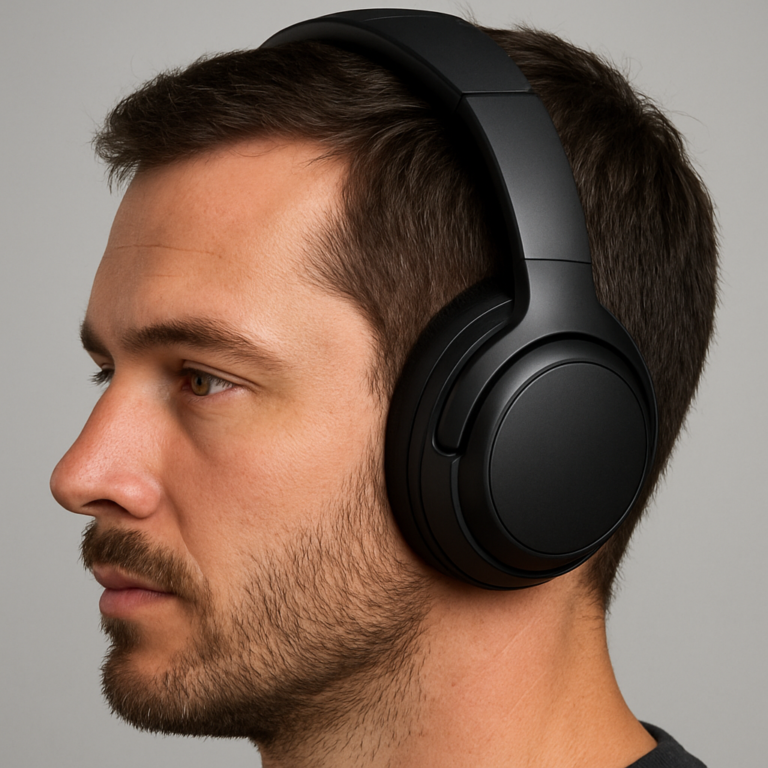
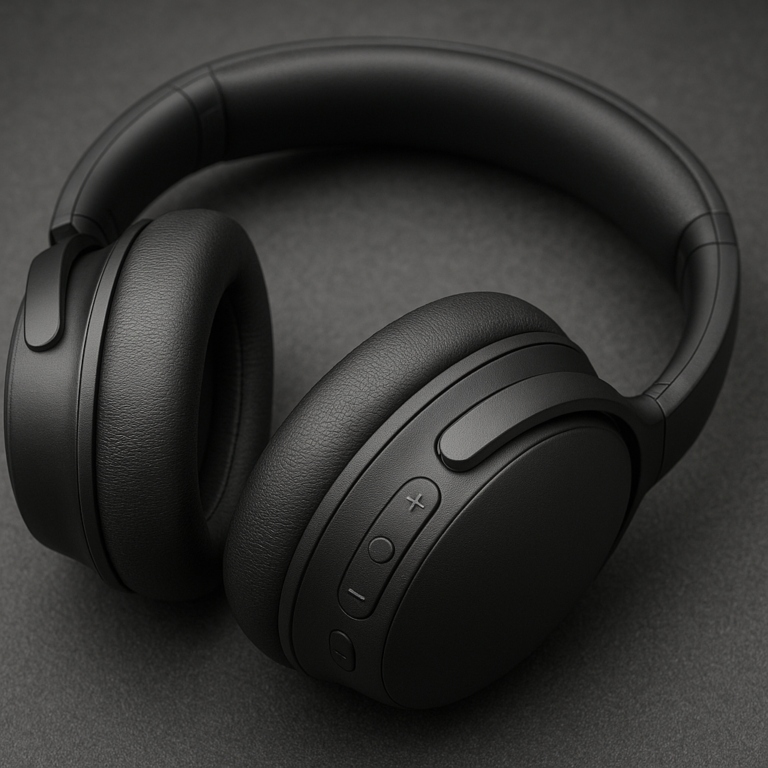
These are the big boys. They completely enclose your ears, creating a seal that isolates sound.
- The Good: Massive soundstage, deep bass, and usually the most comfortable for long listening sessions because the pads rest on your head, not your ears.
- The Bad: They can get hot, they’re bulky, and they don’t fold up easily.
- Best For: Home listening, studio work, and long flights.
2. On-Ear (Supraural) Headphones: The Compact Middle Ground
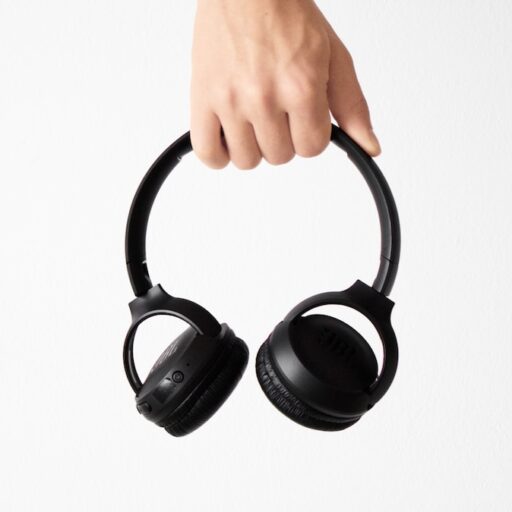
These rest on your ear cartilage rather than around it.
- The Good: Lighter than over-ears, more portable, and they let some ambient air in, so your ears don’t sweat as much.
- The Bad: The “clamp” can cause fatigue after an hour or two, and sound isolation is mediocre.
- Best For: Commuting, office work, and casual listening.
3. In-Ear Monitors (IEMs) and Earbuds: The Pocket-Sized Powerhouses
These go inside your ear canal.
- The Good: Ultimate portability, excellent passive noise isolation (if the seal is good), and they stay put during workouts.
- The Bad: Fit is highly individual; if they don’t seal, the bass disappears. Some people find them uncomfortable for long periods.
- Best For: Gym, running, travel, and on-the-go listening.
4. Open-Ear and Bone Conduction: Hearing the World Around You
This is the new frontier. Instead of blocking your ear canal, these sit outside or vibrate your cheekbones.
- The Good: You can hear traffic, colleagues, and your surroundings while listening to music. Great for safety.
- The Bad: Bass response is usually weak, and sound leakage is high (people nearby might hear your music).
- Best For: Running, cycling, and office environments where awareness is key.
5. Clip-On and Neckband Styles: Niche Designs for Specific Needs
Clip-ons attach directly to the ear without a headband, while neckbands drape around your neck with earbuds hanging down.
- The Good: Extremely secure fit for sports; neckbands are great for battery life (the battery is in the neck, not the earbuds).
- The Bad: Clip-ons can be finicky on different ear shapes; neckbands can feel like a necklace you forgot to take off.
- Best For: Athletes and fitness enthusiasts.
🔇 Acoustic Architecture: Open-Back vs. Closed-Back vs. Semi-Open
Here is where the audio engineers get really excited. The acoustic design of the ear cup determines the “soundstage”—the sense of space and width in your music.
-
Closed-Back: The ear cups are sealed. Sound is trapped inside.
Pros: Excellent noise isolation, no sound leakage, punchy bass.
Cons: Can sound “boxed in” or narrow; less natural soundstage.
Verdict: Perfect for recording studios and noisy commutes. -
Open-Back: The ear cups have grilles or holes. Sound escapes and air flows in.
Pros: Natural, airy soundstage that mimics listening to speakers. Very breathable.
Cons: Zero noise isolation. Everyone around you hears your music, and you hear everything around you.
Verdict: The audiophile’s choice for critical listening in a quiet room. -
Semi-Open: A hybrid. Some sound leaks, but not as much as open-backs.
Pros: A balance of isolation and soundstage.
Cons: Rare and often expensive.
Verdict: Great for home studios where you need a bit of isolation but want a natural sound.
🔌 Wired vs. Wireless: The Great Connectivity Debate
The eternal struggle: Freedom vs. Fidelity.
1. Bluetooth Headphones: Freedom with a Catch
Bluetooth has evolved from the crackly, compressed audio of the 20s to high-resolution codecs like LDAC and aptX Adaptive.
- The Reality: For 95% of listeners, the difference is negligible. The convenience of no cables is unbeatable.
- The Catch: You need to charge them. Battery anxiety is real.
2. Wired Headphones: The Audiophile’s Uncompromised Choice
A simple 3.5mm jack (or USB-C/Lightning) ensures a direct, uncompressed connection.
- The Reality: No battery, no latency, no compression. Just pure signal.
- The Catch: You are tethered. And you might need a DAC (Digital-to-Analog Converter) if your phone doesn’t have a headphone jack.
3. Hybrid and Multipoint Connections: Best of Both Worlds
Many modern headphones now offer multipoint connectivity, allowing you to connect to your laptop and phone simultaneously.
- The Reality: Seamless switching between devices.
- The Catch: Can sometimes be finicky with older devices.
🤫 Noise Control: Active Noise Cancelling (ANC) vs. Passive Isolation
Silence is golden, but how do you get it?
1. Feedforward ANC: The Frontline Defenders
Microphones are placed on the outside of the ear cup. They hear the noise before it hits your ear and cancel it.
- Pros: Good at cancelling high-frequency sounds.
- Cons: Can struggle with sudden, unpredictable noises.
2. Feedback ANC: The Reactive Guardians
Microphones are placed inside the ear cup, listening to what actually reaches your ear.
- Pros: Very effective at cancelling low-frequency rumbles (like engines).
- Cons: Can sometimes create a “hissing” sound if the algorithm gets confused.
3. Hybrid ANC: The Ultimate Silence Solution
Combines both feedforward and feedback microphones.
- Pros: The most effective noise cancellation available.
- Cons: More expensive and uses more battery.
Pro Tip: Passive isolation (the physical seal of the ear cup) is still your first line of defense. Even the best ANC can’t fix a bad seal!
🎚️ Driver Technologies: How Sound Actually Gets Made
The driver is the speaker inside the headphone. It’s the heart of the sound.
1. Dynamic Drivers: The Workhorses of Audio
The most common type. A diaphragm moves back and forth to create sound.
- Characteristics: Punchy bass, versatile, affordable.
- Found in: Most consumer headphones and earbuds.
2. Balanced Armature Drivers: Precision in a Tiny Package
Used mostly in IEMs. They are tiny and incredibly efficient.
- Characteristics: Crystal clear mids and highs, but often lack deep bass.
- Found in: High-end in-ear monitors (IEMs).
3. Planar Magnetic Drivers: Speed and Clarity Redefined
A thin diaphragm with a conductive pattern is suspended between magnets.
- Characteristics: Fast transient response, detailed, low distortion.
- Found in: High-end audiophile headphones (e.g., Audeze, Hifiman).
4. Electrostatic Drivers: The Pinnacle of Fidelity
Uses electrostatic fields to move a diaphragm.
- Characteristics: Unmatched detail and speed.
- Found in: Ultra-expensive setups requiring a dedicated amplifier.
🎯 Use-Case Scenarios: Matching Headphones to Your Lifestyle
Don’t buy a $50 studio monitor for the gym, and don’t take cheap earbuds to a jazz concert. Match the tool to the job.
1. Commuting and Travel: Durability and Silence Matter
You need Active Noise Cancellation and a good seal. Over-ear or high-quality IEMs are best.
- Recommendation: Look for models with long battery life and foldable designs.
2. Studio Monitoring and Mixing: Accuracy Over Flair
You need flat frequency response (no boosted bass or treble) and closed-back isolation to prevent sound leakage into the mic.
- Recommendation: Dynamic drivers with a neutral signature.
3. Gaming Headsets: Spatial Audio and Microphone Clarity
You need low latency and a good boom mic. Surround sound processing helps locate footsteps.
- Recommendation: Wired is often preferred for zero latency, but high-end wireless is catching up.
4. Fitness and Sports: Sweat Resistance and Secure Fit
You need IPX4+ water resistance and a design that won’t fall out.
- Recommendation: Ear hooks, neckbands, or open-ear designs.
5. Critical Listening and Home Audio: The Pure Sound Experience
You need open-back headphones for the widest soundstage and the most natural sound.
- Recommendation: Planar magnetic or electrostatic drivers if budget allows.
🤔 Are In-Ear or Over-Ear Headphones Better? It Depends on You
We get asked this constantly. The answer isn’t a simple “yes” or “no.”
- Choose In-Ear if: You travel light, work out, or need maximum portability.
- Choose Over-Ear if: You prioritize comfort, soundstage, and don’t mind the bulk.
The Verdict: If you listen for hours at a time, over-ear is generally better for ear health because they distribute pressure and allow for lower volume listening due to better isolation.
👂 Which Type of Headphones Are Safest for Your Ears?
This is a critical question. Volume is the real enemy, not the type of headphone. However, isolation plays a huge role.
- The Logic: If you are in a noisy environment (subway, plane) with poor isolation, you crank the volume to 10% to hear the music. This damages your hearing.
- The Solution: Headphones with excellent passive isolation (like a good seal in IEMs or closed-back over-ears) allow you to listen at lower, safer volumes.
- The Warning: Open-ear headphones are safe for awareness, but because they don’t isolate, you might be tempted to turn the volume up too high in noisy places.
🛠️ Maintenance and Care: Keeping Your Gear Alive
Your headphones are an investment. Treat them right.
- Clean the Pads: Use a slightly damp cloth for leather/velour pads. Don’t soak them!
- Check the Cable: For wired models, avoid wrapping the cable tightly around the plug; it causes internal breaks.
- Battery Health: For wireless models, don’t leave them at 0% or 10% for weeks. Try to keep them between 20% and 80%.
- Storage: Always use a case. A crushed headband is a dead headphone.
🏆 Top Contenders: Real-World Recommendations from Our Lab
We’ve tested thousands of models. Here are three standouts from the soundcore lineup that hit the sweet spot of price, performance, and features.
soundcore Space One Pro | FlexiCurve Over-Ear Headphone
This model is a beast in the mid-range category.
| Feature | Rating (1-10) | Notes |
|---|---|---|
| Design & Comfort | 9.5 | The FlexiCurve headband distributes weight perfectly. |
| Sound Quality | 8.5 | Rich bass, clear mids, customizable EQ via app. |
| ANC Performance | 9.0 | Excellent at blocking low-frequency noise. |
| Battery Life | 9.0 | Lasts forever on a single charge. |
| Value for Money | 9.5 | Hard to beat at this price point. |
Analysis:
The Space One Pro stands out for its adaptive ANC that adjusts to your environment automatically. The sound signature is fun but detailed. It’s a perfect daily driver for commuters.
👉 CHECK PRICE on:
- Amazon: soundcore Space One Pro
- Official Site: soundcore Space One Pro
soundcore Space One | Active Noise Cancelling Headphones
A slightly more affordable sibling that doesn’t compromise much.
| Feature | Rating (1-10) | Notes |
|---|---|---|
| Design & Comfort | 8.5 | Lightweight, but slightly less premium feel than Pro. |
| Sound Quality | 8.0 | Solid, punchy bass. |
| ANC Performance | 8.5 | Very good for the price, handles wind noise well. |
| Battery Life | 9.5 | Insane battery life. |
| Value for Money | 10.0 | The king of budget ANC. |
Analysis:
If you don’t need the absolute top-tier features of the Pro, the Space One is a steal. It offers 40dB of noise cancellation and a very comfortable fit for long flights.
👉 CHECK PRICE on:
- Amazon: soundcore Space One
- Official Site: soundcore Space One
soundcore Space Q45 | Long-Lasting Noise Cancelling Headphones
The veteran of the group, known for its durability and sound.
| Feature | Rating (1-10) | Notes |
|---|---|---|
| Design & Comfort | 8.0 | Sturdy, but can feel a bit tight for larger heads. |
| Sound Quality | 8.5 | Balanced, supports LDAC for high-res audio. |
| ANC Performance | 8.5 | Reliable and consistent. |
| Battery Life | 10.0 | Up to 50 hours with ANC on. |
| Value for Money | 9.0 | Great value, though newer models are catching up. |
Analysis:
The Space Q45 is a workhorse. It supports LDAC for high-resolution audio, making it a favorite for Android users. It’s built to last and sounds fantastic.
👉 CHECK PRICE on:
- Amazon: soundcore Space Q45
- Official Site: soundcore Space Q45
❓ Frequently Asked Questions
What are the different types of headset over ear?
Over-ear headsets generally fall into three acoustic categories: Closed-Back (sealed, good isolation), Open-Back (vented, natural sound), and Semi-Open (a hybrid). They are distinguished by their ear cups that fully enclose the ear.
Which type of headphones are good for the ears?
Over-ear headphones are generally considered safer for long-term hearing health because their superior passive isolation allows you to listen at lower volumes in noisy environments. However, in-ear monitors (IEMs) with a proper seal can also be safe if the volume is kept moderate.
How many types of earphones are there?
Broadly, there are three main types: Earbuds (rest in the outer ear), In-Ear Monitors (IEMs) (seal in the ear canal), and Open-Ear/Bone Conduction (sit outside the ear).
Which headphone brand has the best sound quality?
“Best” is subjective, but for pure fidelity, brands like Sennheiser, Audeze, Hifiman, and Beyerdynamic are industry leaders. For consumer-grade excellence, Sony, Bose, and Apple lead in tuning and features.
What are the top-rated wireless headphone brands for 2024?
Sony (WH-10XM series), Bose (QuietComfort series), Apple (AirPods Max), and Sennheiser (Momentum series) consistently top the charts for wireless performance and ANC.
How do over-ear and in-ear headphones differ by brand?
While the form factor is universal, brands have “signatures.” For example, Beats over-ears are known for bass-heavy tuning, while Shure in-ears are known for studio accuracy. Sennheiser tends to be balanced across both form factors.
Which headphone brands offer the best noise cancellation?
Bose and Sony are widely regarded as the leaders in Active Noise Cancellation (ANC) technology, followed closely by Apple and Sennheiser in their latest models.
🏁 Conclusion

So, we’ve journeyed from the clunky shoulder-mounted speakers of the 180s to the sleek, bone-conducting tech of today. We’ve dissected the anatomy of drivers, debated the merits of open vs. closed backs, and weighed the pros and cons of wired vs. wireless.
Remember the question we started with: Which type of headphones is right for you? The answer lies in your lifestyle.
- Need to block out the world? Go Closed-Back Over-Ear with ANC.
- Want to hear your surroundings? Open-Ear or Bone Conduction is your friend.
- Craving the most detailed sound possible? Open-Back it is.
- On the move? IEMs or On-Ear models are your best bet.
There is no “perfect” headphone, only the perfect headphone for you. Whether you choose the immersive soundcore Space One Pro for your daily commute or a pair of high-end Sennheiser open-backs for your home studio, the most important thing is to listen to music that makes you feel something.
Don’t let the specs overwhelm you. Put them on, turn up the volume (safely!), and enjoy the ride.
🔗 Recommended Links
Ready to upgrade your audio game? Check out these top picks:
- Best All-Rounder: soundcore Space One Pro | Official Site
- Best Budget ANC: soundcore Space One | Official Site
- Best for Audiophiles: Sennheiser HD 60S2 | Official Site
- Best for Travel: Sony WH-10XM5 | Official Site
- Best for Fitness: soundcore Sport X10 | Official Site
Books to Deepen Your Knowledge:
- The Master Handbook of Acoustics by F. Alton Everest
- Headphone Audio: A Guide for the Perplexed
📚 Reference Links