Support our educational content for free when you purchase through links on our site. Learn more
🎧 What Are the 4 Types of Headphones? (2026 Guide)


Ever tried to jam a pair of massive over-ear cans into your pocket, only to realize you’ve packed a brick instead of a playlist? We’ve all been there. At Headphone Brands™, we’ve spent countless hours dissecting the sonic landscape, and we’ve found that the “best” headphones don’t exist in a vacuum—they exist in your life. Whether you’re a commuter drowning in subway noise, a runner needing to hear traffic, or an audiophile chasing the perfect soundstage, the answer to “What are the 4 types-headphones-wired/”>types of headphones?” is the key to unlocking your perfect audio match.
Did you know that while Active Noise Cancellation (ANC) is a miracle for silence, it’s actually just one feature within a much larger family tree? In fact, relying solely on ANC without understanding the fundamental form factor can lead to a listening experience that’s as uncomfortable as it is ineffective. From the immersive embrace of Over-Ear giants to the safety-first vibrations of Bone Conduction, we’re about to break down the four distinct categories that define modern audio. By the end of this guide, you’ll know exactly which type fits your daily grind, why your current earbuds might be leaking sound, and how to choose gear that doesn’t just sound good, but feels right.
Key Takeaways
- The Big Four Defined: The market is dominated by Over-Ear, On-Ear, In-Ear (Earbuds/IEMs), and Bone Conduction/Open-Ear headphones, each serving a unique lifestyle need.
- Fit is King: Comfort and seal are just as critical as sound quality; a perfect seal in an In-Ear monitor can outperform a poorly fitted Over-Ear in noise isolation.
- Tech Matters: Understanding driver types (Dynamic vs. Planar) and ANC methods (Feedforward vs. Hybrid) helps you avoid paying for features you don’t need.
- Lifestyle Match: Your daily routine dictates your choice: Over-Ear for immersion, In-Ear for portability, and Bone Conduction for outdoor safety.
Ready to find your perfect match? Explore our curated guides for Over-Ear Headphones, In-Ear Headphones, and Bluetooth Headphones to start your journey.
Table of Contents
- ⚡️ Quick Tips and Facts
- 📜 From Ear Muffs to Earbuds: A Brief History of Headphone Evolution
- 🎧 The Big Four: Understanding the 4 Main Types of Headphones
- 1. Over-Ear Headphones: The Immersive Audiophile’s Choice
- 2. On-Ear Headphones: The Portable Middle Ground
- 3. In-Ear Monitors (IEMs) & Earbuds: The Ultimate Portability
- 4. Bone Conduction & Open-Ear Headphones: The Safety-First Alternative
- 🔊 Decoding the Tech: Driver Types, ANC, and Sound Signatures
- 🏃 ♂️ Lifestyle Match: Which Headphone Type Fits Your Daily Grind?
- 🛠️ How to Choose Good Quality Headphones: A Buyer’s Checklist
- 💡 Quick Tips and Facts for the Modern Listener
- 🏆 Conclusion
- 🔗 Recommended Links
- ❓ FAQ
- 📚 Reference Links
⚡️ Quick Tips and Facts
Welcome to Headphone Brands™, where we live and breathe audio! We’re thrilled to guide you through the exciting world of headphones. Before we dive deep
, here are some quick hitters to get your ears tingling:
- Not all headphones are created equal! 🤯 The “best” pair is always the one that best fits your lifestyle and listening preferences.
Wired isn’t dead! While wireless headphones dominate the market for convenience, wired options still offer minimal latency – a crucial factor for serious gamers and audio producers.
- Active Noise Cancellation
(ANC) is a game-changer, but remember: “Not all ANC earbuds sound equally well. It’s not a one-size-fits-all solution.” - Sustainability matters! Brands
like House of Marley are leading the charge, crafting headphones from responsibly sourced materials like bamboo, FSC® certified wood, and recycled plastics. - Comfort is king! You could have the most pristine
sound in the world, but if your headphones pinch your ears or fall out constantly, what’s the point? Prioritize a comfortable fit for long listening sessions.
📜 From Ear Muffs to Earbuds: A Brief History of Headphone Evolution

Ever wonder how we got from giant, clunky ear muffs
to the sleek, almost invisible earbuds we use today? It’s a fascinating journey, and here at Headphone Brands™, we’ve seen (and heard!) it all. The concept of personal audio isn’t new; in fact, the seeds
of noise cancellation were sown way back in 1934 when Paul Lueg registered a patent for creating “zones of quiet” using interference. Imagine that – trying to silence the world almost a century ago!
Fast forward to the 1950s, and Harry Olsen was demonstrating practical Active Noise Cancellation (ANC) for reducing vehicle noise. But it wasn’t until 1986 that ANC
truly made headlines, when adventurers Dick Rutan and Jeana Yeager used Bose ANC headsets to help them fly around the world. Talk about a demanding test flight! This pioneering spirit eventually led to Bose launching
the first consumer ANC headset in the year 2000, forever changing how we experience sound in noisy environments.
From those early, often cumbersome designs, headphones have continually evolved, driven by advancements in
materials, acoustics, and connectivity. The shift from bulky, open-back designs to more portable, closed-back models, and eventually to the ubiquitous in-ear form factors, mirrors our increasingly mobile lives. The introduction of wireless technologies,
especially Bluetooth, truly untethered us, making personal audio more convenient than ever. This evolution isn’t just about shrinking size; it’s about enhancing sound quality, improving comfort, and integrating smart features that make our listening experience truly
exceptional.
🎧 The Big Four: Understanding the 4 Main Types of Headphones
When you’re diving
into the world of personal audio, you’ll quickly discover that not all headphones are built the same. In fact, there are four primary types that dominate the market, each with its own unique characteristics, benefits, and drawbacks. Understanding these fundamental
differences is the first step to finding your perfect pair. Let’s break them down, shall we?
1. Over-Ear Headphones: The Immersive Audiophile’s Choice
Ah, the classic. **Over-ear headphones
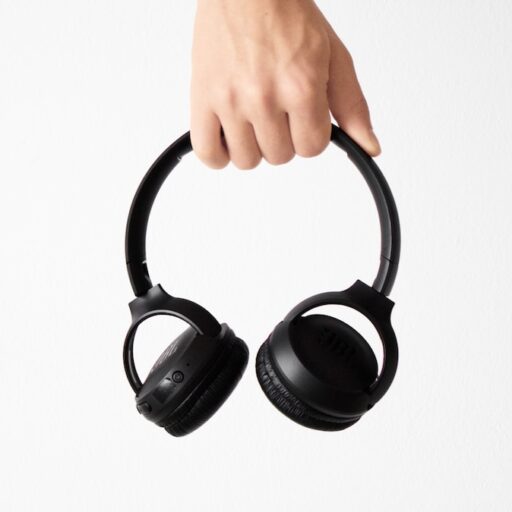
**, also known as circumaural headphones, are what many picture when they think of serious listening. These beauties completely encompass your ears, creating a seal that’s fantastic for both sound quality and passive noise isolation.
Design & Functionality
:
Over-ear headphones typically feature large earcups with plush padding, connected by a robust headband. They house larger drivers, which often translates to a more expansive soundstage and deeper bass response. Many high-end models, like the Sony
WH-1000XM5 or the Bose QuietComfort Ultra, combine this design with advanced Active Noise Cancellation (ANC) for an unparalleled immersive experience.
Pros ✅:
- Superior Sound Quality: Generally
offer the best audio performance due to larger drivers and better acoustics. - Excellent Passive Noise Isolation: The physical seal around your ears naturally blocks out a significant amount of ambient noise.
- Comfort for Long Sessions: Often
designed with ample padding, making them comfortable for extended listening. - Immersive Experience: The full ear coverage provides a more “in the music” feeling.
Cons ❌:
- Less Portable: Can be
bulky and heavier than other types, making them less ideal for quick commutes or stashing in a small bag. - Can Get Hot: The earcups can cause your ears to warm up, especially in
warmer climates. - Higher Cost: Often the most expensive category, especially for premium models.
Our Take: For the audiophile, the home listener, or anyone seeking the most immersive and high-
fidelity experience, over-ear headphones are often the top pick. They’re a commitment, yes, but a rewarding one.
👉 Shop Over-Ear Headphones on:
- Sony WH-1000XM5
: Amazon | Walmart | Sony Official Website - Bose QuietComfort Ultra:
Amazon | Best Buy | Bose Official Website
2.
On-Ear Headphones: The Portable Middle Ground
On-ear headphones, or supra-aural headphones, sit directly on your ears rather than encompassing them. They strike a balance between the portability of earbuds and the sound quality of over-
ear models.
Design & Functionality:
These headphones are typically lighter and more compact than their over-ear counterparts. Their earcups are smaller and rest on the outer ear, held in place by a headband. Brands like K
oss with their iconic Porta Pro (a personal favorite of many of us here at Headphone Brands™ for its retro charm and surprisingly good sound!) or Grado with their SR60x offer fantastic
on-ear experiences.
Pros ✅:
- More Portable: Lighter and often foldable, making them easier to carry around than over-ear headphones.
- Less Heat Buildup: Since
they don’t fully enclose the ear, they tend to be cooler. - Good Balance of Sound and Portability: A solid choice if you want decent audio without the bulk.
Cons ❌:
-
Less Sound
Isolation: The fit on the ear means more ambient noise can leak in compared to over-ear models. -
Can Cause Discomfort: For some, the pressure on the ears can become uncomfortable during long listening sessions.
-
Sound Leakage: Others nearby might be able to hear your music, especially at higher volumes.
Our Take: If you’re looking for something more substantial than earbuds but don’t want the full commitment of over-ear
headphones, on-ear models are a fantastic compromise. They’re great for casual listening, commuting, or when you still need some awareness of your surroundings.
👉 Shop On-Ear Headphones on:
- Koss Porta Pro: Amazon | Walmart | Koss Official Website
- Grado SR60x: Amazon
| B&H Photo Video |
Grado Official Website
3. In-Ear Monitors (IEMs) & Earbuds: The Ultimate Portability
This
category is a broad one, encompassing everything from the simplest wired earbuds to sophisticated In-Ear Monitors (IEMs) and True Wireless Earbuds. What they all share is their compact size and placement directly within or at the entrance
of your ear canal.
Design & Functionality:
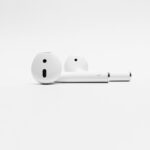
- Earbuds: These typically rest just outside the ear canal. Think of the classic Apple EarPods (remember those?). They are incredibly portable and lightweight.
In-Ear Headphones (IEMs):** These go a step further, with silicone or foam tips that create a seal inside your ear canal. This design offers superior passive noise isolation and often better bass response. Many modern true wireless earbuds
like the Apple AirPods Pro or Sony WF-1000XM5 fall into this category, offering advanced features like ANC and transparency modes. Even eco-conscious brands like House of Marley offer excellent options such
as their Rebel True Wireless Earbuds, which are crafted with sustainable materials.
Pros ✅:
- Maximum Portability: The smallest and lightest option, easily fitting into a pocket.
- Excellent Noise Isolation (IEMs): When properly sealed, IEMs can block out a significant amount of ambient noise.
- Discreet: Less noticeable than larger headphones.
- Great
for Active Lifestyles: Many are designed to be sweat-resistant and secure for workouts.
Cons ❌:
- Comfort Issues (for some): The in-ear fit can be uncomfortable for certain individuals, especially
with prolonged use. - Sound Quality Variation: While high-end IEMs can sound incredible, cheaper earbuds often lack bass and detail.
- Battery Life (Wireless): True wireless earbuds typically have
shorter battery life per charge compared to over-ear headphones, though charging cases extend their overall playtime. - Potential for Earwax Buildup: Requires regular cleaning to maintain hygiene and sound quality.
Our Take: For those on the
go, fitness enthusiasts, or anyone prioritizing ultimate portability, in-ear headphones and earbuds are indispensable. The advancements in Bluetooth Headphones have made these tiny powerhouses incredibly capable. We’ve seen incredible innovation in this space, especially with features
like transparency mode, which allows you to hear your surroundings without removing your earbuds – a huge safety benefit.
👉 Shop In-Ear Headphones & Earbuds on:
- Apple AirPods Pro:
Amazon | Best Buy |
Apple Official Website - Sony WF-1000XM5: Amazon | Walmart | Sony Official Website
- House of Marley Rebel True Wireless Earbuds: Amazon | House of Marley Official Website
4. Bone Conduction & Open
-Ear Headphones: The Safety-First Alternative
While not always included in the traditional “big three,” bone conduction and other open-ear headphones represent a growing and increasingly popular category, especially for specific use cases. We
believe they deserve a spot at the table for their unique approach to sound delivery and safety.
Design & Functionality:
Instead of sending sound waves through your ear canal, bone conduction headphones transmit vibrations through your cheekbones directly
to your inner ear. This leaves your ear canals completely open, allowing you to hear your surroundings. Open-ear headphones (sometimes called “air conduction” open-ear) also keep your ears uncovered but use small speakers positioned near your ears
to project sound. Brands like Shokz (formerly AfterShokz) are pioneers in bone conduction with models like the OpenRun, while JBL offers open-ear options like the Soundgear Sense.
**
Pros ✅:**
- Situational Awareness: Crucial for runners, cyclists, or anyone who needs to be aware of traffic and their environment.
- Comfort for Some: No ear canal blockage can be more comfortable for those
who dislike in-ear pressure. - Hygiene: No direct contact with the ear canal reduces earwax issues.
- Hearing Health: Can be a good option for individuals with certain types of hearing loss.
Cons
❌:
-
Sound Quality Compromise: Generally, the audio fidelity, especially bass response, is not as rich as traditional headphones.
-
Sound Leakage: Others nearby can often hear your music, particularly at higher volumes.
-
Vibrations: Some users find the vibrations from bone conduction technology unusual or even slightly uncomfortable at first.
-
Limited Noise Isolation: By design, they offer almost no noise isolation from the environment.
Our Take:
For outdoor athletes, commuters in busy areas, or professionals who need to stay connected to their environment, bone conduction and open-ear headphones are a fantastic, safety-conscious choice. They might not be for the hardcore audiophile, but their
practical benefits are undeniable.
👉 Shop Bone Conduction & Open-Ear Headphones on:
- Shokz OpenRun: Amazon | Best Buy | Shokz Official Website
JBL Soundgear Sense: Amazon | JBL Official Website
🔊 Decoding the Tech: Driver Types, ANC, and Sound Signatures
Beyond
the physical form, what truly makes headphones sing (or sometimes groan) is the technology packed inside. As audio engineers at Headphone Brands™, we’re constantly geeking out over these details. Let’s pull back the curtain on some key technical
aspects that define your listening experience.
The Heart of the Sound: Headphone Driver Types
The “driver” is essentially the speaker inside your headphones. It’s what converts electrical signals into audible sound waves. Different driver technologies offer distinct
sound characteristics:
- Dynamic Drivers: These are the most common type, found in almost every headphone category. They use a diaphragm, a voice coil, and a magnet to produce sound. They’re versatile, cost-effective, and
capable of producing powerful bass. - Balanced Armature (BA) Drivers: Smaller and more precise, BA drivers are often found in high-end In-Ear Monitors (IEMs). They excel at reproducing specific frequency ranges with
great detail, which is why many premium IEMs use multiple BA drivers, each dedicated to highs, mids, or lows. - Planar Magnetic Drivers: Found primarily in high-end over-ear headphones, these drivers use
a thin, flat diaphragm embedded with conductive wires, suspended between magnets. They offer exceptional clarity, fast transient response, and a wide soundstage. - Electrostatic Drivers: The crème de la crème of headphone drivers, electrostatic headphones
use an ultra-thin, electrically charged diaphragm placed between two perforated electrode plates. They require special amplification and are known for unparalleled detail, transparency, and lightning-fast response, but come with a hefty price tag.
The Silence is
Golden: Active Noise Cancellation (ANC) Explained
Remember our chat about Paul Lueg and Bose? That was just the beginning! Active Noise Cancellation (ANC) is a marvel of modern audio engineering, designed to silence the world around you so
you can focus on your music, podcasts, or calls.
The core concept is brilliant: ANC works by generating “anti-noise” – a sound wave that is precisely out of phase with the incoming ambient noise. When these two waves
meet, they cancel each other out through a process called destructive interference. It’s like magic, but it’s pure science!
Jabra, a leading brand in personal audio, identifies **three technical methods
** of ANC, which manifest as four distinct types in their product lineup. Let’s break them down:
- Standard ANC (Feedforward):
- How it works: Micro
phones are placed outside the earcup, detecting ambient noise before it reaches your ear. This gives the system a bit more time to generate the anti-noise. - Performance:
Most effective at reducing higher-frequency noise, like engine hums or fan noise. However, it’s less effective across a broad range of frequencies. - Example: Jabra Elite
-
Hybrid ANC:
-
How it works: This is where things get clever! Hybrid ANC combines feedforward (external mics) and feedback (internal mics) technologies. External mics capture outside noise, while internal mics monitor the sound inside your ear, allowing the system to analyze both signals and generate a more accurate inverse sound wave.
-
Performance: Canc
els a wider range of frequencies, tackling both low and high-frequency sounds more effectively. It’s also less sensitive to how you wear the headset and can correct errors, providing a more immersive experience. -
Example: Jabra Elite 5. “Hybrid ANC typically costs more, but you also get more tech for your money.”
- Adaptive Hybrid ANC:
- How it works: An evolution of Hybrid ANC, this technology constantly optimizes and adjusts cancellation levels in real-time. It continuously scans for noise leakage in your ear canal to detect and cancel specific sounds.
- Key Features: Often includes manual control for users to fine-tune ANC strength via companion apps and even a dedicated Wind Noise Mode for outdoor activities.
Performance:** Delivers up to 60% stronger noise cancellation than standard ANC.
- Example: Jabra Elite 8 Active.
- **
Jabra Advanced ANC™:**
- How it works: Jabra’s most upscale version, combining Adaptive Hybrid ANC with hardware upgrades, including stronger 10mm speakers for a more powerful cancellation experience.
- Performance: Provides double the power of standard noise cancellation, designed for blocking out noise in the loudest environments.
- Example: Jabra Elite 10.
It’s important to remember that while ANC is incredible, Passive Noise Cancellation (PNC) – the physical blocking of sound by the headphone’s design and materials – also plays a huge role. A good
seal from over-ear earcups or in-ear tips can significantly reduce noise even before ANC kicks in.
What’s Your Flavor? Understanding Sound Signatures
Just like a chef has a signature dish, headphones have a **
sound signature** – the way they emphasize or de-emphasize certain frequencies. Here are a few common profiles:
- Neutral/Flat: Aims to reproduce sound as accurately as possible, without boosting any particular frequency range. Ideal
for audio professionals and purists. - Bass-Heavy: Features an elevated low-end, providing a punchier, more impactful sound. Popular for genres like hip-hop, EDM, and pop.
- V-Sh
aped: Boosts both the bass and treble frequencies while slightly recessing the mid-range. This creates an exciting, energetic sound that many find engaging. - Warm: Emphasizes the lower-mid frequencies, giving a fuller
, richer, and often more relaxed sound.
Getting Connected: Wired vs. Wireless & Connector Types
The debate rages on: wired or wireless? Each has its merits.
- Wireless Convenience: The freedom from cables is undeniable
. Modern Bluetooth Headphones offer impressive sound quality and range. However, as the first YouTube video in this article points out, many phones have removed the traditional headphone jack, making wireless a necessity for some.
Wired Reliability: For critical listening, gaming, or professional use, wired connections offer minimal latency and often superior audio fidelity, as they don’t rely on digital compression or conversion.
But
even wired isn’t always straightforward! Our friends over at SailfishOS forums highlighted a fascinating issue with the Sony Xperia 10 III and wired headphones. They found that while 3-pin TRS headphones (stereo audio only) worked fine, 4-pin TRRS headphones (stereo audio plus a microphone) often weren’t recognized, leading to no sound output. This is a crucial distinction:
- 3-pin
TRS (Tip-Ring-Sleeve): Supports left audio, right audio, and ground. - 4-pin TRRS (Tip-Ring-Ring-Sleeve): Adds a fourth conductor, typically for a microphone
and/or remote control functions.
This highlights the importance of checking compatibility, especially with specific devices or operating systems. Sometimes, a simple “Audio Output Chooser” application or a hardware adapter can resolve these issues.
And let’s not forget other wired connections like USB-C and Lightning, which are becoming increasingly common as traditional 3.5mm jacks disappear from smartphones.
Codecs and Clarity: The Wireless
Advantage
For wireless listeners, Bluetooth codecs are vital. These are the algorithms that compress and decompress audio data for transmission. The better the codec, the better the sound quality (generally!).
- SBC: The most
basic and universally supported codec. - AAC: Common on Apple devices, offering good quality for iPhone users.
- aptX (and aptX HD/Adaptive): Popular on Android devices,
offering higher-quality audio than SBC. - LDAC: Sony’s proprietary codec, capable of transmitting near-lossless audio, often considered the gold standard for high-res wireless audio on Android.
So, when you’re choosing your next pair of Bluetooth Headphones, consider not just the brand, but also the codecs they support – it makes a real difference!
🏃 ♂️ Lifestyle Match: Which Headphone Type Fits Your Daily Grind?
Choosing the right headphones isn’t just about sound quality; it
‘s about finding a pair that seamlessly integrates into your life. As the first YouTube video wisely advises, consider your “specific use case, personal preferences, and budget”. Here at Headphone Brands™, we
believe your headphones should be an extension of you, not a hindrance. Let’s explore some common scenarios and see which types are the best fit:
The Commuter’s Companion 🚇
Whether you’re battling the subway
roar or the bus chatter, noise is the enemy of peaceful commuting.
- ✅ Best Bets: Over-ear headphones with strong ANC (like the Sony WH-1000XM5) or in-ear monitors
/true wireless earbuds with excellent ANC (like the Apple AirPods Pro or Sony WF-1000XM5). The ability to block out external noise is paramount. - ❌ Avoid: Open-back headphones or basic
earbuds without a good seal, as they’ll let all that urban cacophony right in. - Pro Tip: Look for models with Transparency Mode or Ambient Sound Mode. This
allows you to quickly hear announcements or conversations without removing your headphones – a lifesaver when you’re trying to catch your stop!
The Fitness Fanatic’s Friend 🏋️ ♀️
Sweat, movement, and the occasional
downpour demand specific features from your workout audio gear.
- ✅ Best Bets: Sweat and water-resistant in-ear headphones or true wireless earbuds with a secure fit. Look for an IP rating (e.g., IPX4, IPX7) to indicate protection against dust and water. Bone conduction headphones (like Shokz OpenRun) are also fantastic for outdoor activities where situational awareness is crucial.
❌ Avoid:** Bulky over-ear headphones (they’ll get sweaty and might fall off), or wired headphones with long, tangling cables.
- Our Anecdote: One of our engineers, a keen marathon runner, swears by
his Shokz for road safety. “Being able to hear traffic while still enjoying my pump-up playlist is non-negotiable,” he says.
The Home Office Hero / Remote Worker 💻
Clear communication and focus are key when
your office is also your living room.
- ✅ Best Bets: Over-ear or on-ear headphones with a good built-in microphone. ANC is highly beneficial for blocking out household distractions. Many professional headsets, like
those from Jabra’s Evolve range, are specifically designed for this. - ❌ Avoid: Earbuds with poor microphone quality, which can make you sound distant or muffled on calls.
Pro Tip: Consider headphones that offer multi-point Bluetooth connectivity, allowing you to seamlessly switch between your laptop and phone.
The Dedicated Audiophile 🎶
For those who prioritize pristine sound reproduction above all else, the choice
is often more nuanced.
- ✅ Best Bets: High-quality over-ear headphones, particularly open-back designs, for their expansive soundstage and natural presentation. High-end In-Ear Monitors (IEMs)
are also a fantastic option for detailed, accurate sound. Wired connections are often preferred for minimal latency and uncompressed audio. - ❌ Avoid: Headphones with overly aggressive sound signatures or those that prioritize features over pure audio fidelity.
Our Insight: “For true audiophiles, the journey is as important as the destination,” says our lead acoustic engineer. “Experimenting with different driver types and even dedicated headphone amplifiers can unlock new levels of sonic bliss.” You might want
to explore our High-End Headphones section for deeper dives.
The Gamer’s Edge 🎮
Low latency and clear communication are paramount
for competitive gaming.
- ✅ Best Bets: Wired over-ear gaming headsets are still the gold standard for zero-latency audio and reliable microphone performance. Many also offer virtual surround sound. Wireless gaming headsets using dedicated
low-latency dongles are also excellent. - ❌ Avoid: Standard Bluetooth headphones, as they can introduce noticeable audio lag, putting you at a disadvantage.
- Pro Tip: Look for comfortable earcups that can accommodate glasses
, if you wear them, for those marathon gaming sessions.
Ultimately, your lifestyle dictates your ideal headphone type. Don’t be afraid to try on different styles and consider how they’ll fit into your daily routine.
🛠️ How to Choose Good Quality Headphones: A Buyer’s Checklist
So, you’ve learned about the different types
and technologies. Now comes the exciting part: choosing your next pair! At Headphone Brands™, we believe in empowering you with the knowledge to make an informed decision. As House of Marley wisely states, “consumers should prioritize sound quality, comfort,
durability, and extra features”. Let’s expand on that with our expert checklist:
1. Sound Quality: Trust Your Ears (and Our Expertise!)
This is subjective, but there are objective
markers of quality.
- Driver Type: As we discussed, dynamic, balanced armature, planar magnetic, and electrostatic drivers each offer a unique sonic flavor. Consider what appeals to you.
- Sound Signature: Do you
prefer a neutral, bass-heavy, or V-shaped sound? Read reviews, and if possible, listen to them yourself! What sounds amazing to one person might be fatiguing to another. - Clarity &
Detail: Can you distinguish individual instruments? Is the sound muddy or crisp? Good headphones reveal nuances in your music. - Bass Response: Is it tight and punchy, or boomy and uncontrolled?
- High
s & Mids: Are vocals clear? Do cymbals sound natural or harsh?
2. Comfort: The Unsung Hero
You could have the best-sounding headphones in the world, but if they hurt, you won’t
wear them.
- Fit:
- Over-Ear: Do the earcups fully enclose your ears without pinching? Is the clamping force too tight or too loose?
- On-Ear: Do
they sit comfortably on your ears without excessive pressure? - In-Ear: Do the ear tips create a good seal without causing discomfort? Many come with multiple tip sizes – experiment!
- Weight: Lighter headphones are generally
more comfortable for long periods. - Materials: Look for breathable ear pads (velour, memory foam) and adjustable headbands.
- Our Personal Story: One of our team members once bought a highly-rated pair of
headphones only to find the earcups too small for their ears. They ended up gathering dust. Always try them on if you can!
3. Durability & Build Quality: Built to Last
Headphones are an
investment. You want them to withstand daily wear and tear.
- Materials: Look for robust plastics, metal components, and quality stitching. Brands like House of Marley emphasize sustainable materials like bamboo and recycled plastics, which also
contribute to durability. - Hinges & Joints: These are common failure points. Check for sturdy construction.
- Cable Quality (Wired): Is the cable thick and tangle-resistant
? Is it detachable and replaceable? - Water Resistance (for active use): Check the IP rating.
- IPX4: Splash resistant (good for light rain/sweat).
- IPX7: Can be submerged in water (more robust).
4. Features & Functionality: The Modern Conveniences
Beyond pure sound, modern headphones offer a dazzling array of features.
- Active Noise Cancellation (ANC): Essential for noisy environments. Consider the type of ANC (Standard, Hybrid, Adaptive Hybrid, Advanced) based on your needs.
- Transparency/Ambient Mode
: Allows you to hear your surroundings without removing your headphones – a crucial safety feature. - Microphone Quality: If you take calls, a clear microphone is non-negotiable. Remember the 3
-pin vs. 4-pin TRRS discussion! - Wireless Connectivity:
- Bluetooth Version: Newer versions (e.g., Bluetooth 5.2, 5.3) offer better range
, stability, and power efficiency. - Codec Support: Ensure compatibility with your device’s high-quality codecs (AAC for iPhone, aptX/LDAC for Android).
- Multip
oint Connectivity: Connect to two devices simultaneously. - Battery Life (Wireless): How long do they last on a single charge? Does the charging case offer extra charges?
- Fast Charging: A quick charge for
a few hours of playback is a huge plus. - Wireless Charging: Convenient for compatible devices.
- Ear Detection: Automatically pauses music when you remove them.
Collapsibility/Foldable Design: Important for portability.
- Companion App: Many brands offer apps for EQ adjustments, ANC control, and firmware updates.
- “Find My
” Functionality: Handy for locating lost earbuds.
5. Brand Reputation & Support: Peace of Mind
- Read Reviews: Look for consistent feedback across multiple sources.
- Warranty
: What kind of warranty does the manufacturer offer? - Customer Support: Is the brand known for good customer service?
Our Final Advice: Don’t get overwhelmed! Start by identifying your primary use case (commuting, working out, critical listening). Then, prioritize the features that matter most to you. Remember, “Choosing House of Marley’s sustainable audio products means supporting a global movement for a better future, without sacrificing sound quality.” This sentiment of aligning values with quality is something we at Headphone Brands™ wholeheartedly endorse.
For enhancing your headphone experience, don’t forget to check out our Headphone Accessories section!
💡 Quick Tips and Facts for the Modern Listener
Alright, you’ve
journeyed through the types, the tech, and the buying guide. You’re almost a headphone guru! To round things off, here are some advanced tips and fascinating facts to elevate your listening game even further.
- Burn
-In is Real (Sort Of): While hotly debated, some audiophiles believe that headphones “break-in” or “burn-in” over time, meaning the drivers settle and the sound signature subtly changes. While scientific evidence is mixed
, our ears often adapt to new sounds, so give your new cans a few dozen hours of playtime before making a final judgment on their sound! - The Power of EQ: Don’t like the sound signature straight out of the box
? Many headphones, especially wireless ones, offer companion apps with equalizer (EQ) settings. Don’t be afraid to tweak them to suit your personal preference! A slight adjustment can make a world of difference. - Clean
liness is Next to Godliness (for your ears!): Especially for in-ear headphones, regular cleaning of ear tips and grilles is crucial. Earwax buildup can significantly degrade sound quality and hygiene. ✅ A gentle wipe with an
alcohol swab can work wonders. - Cable Matters (Sometimes): For high-end wired headphones, upgrading to a higher-quality cable can sometimes offer subtle improvements in clarity or durability. Explore our Headphone Accessories for options.
- Protect Your Hearing! 👂 It’s tempting to crank up the volume, but prolonged listening at high levels can cause permanent hearing damage
. Use the “60/60 rule”: listen at 60% volume for no more than 60 minutes at a time. Your future self will thank you. - The Rise of Spatial Audio: Technologies
like Dolby Atmos and Apple Spatial Audio are creating immersive, 3D soundscapes that go beyond traditional stereo. If your headphones and source material support it, it’s a mind-blowing experience! - Don’
t Forget the Source: The quality of your audio files matters just as much as your headphones. Listening to low-bitrate MP3s on high-end headphones is like watching a blurry movie on a 4K TV. Opt for lossless
formats like FLAC or high-quality streaming services when possible. - The “Headphone Brands™” Difference: We are passionate about helping you **Listen in Style with Headphone Brands™
**. Our commitment extends beyond just selling products; it’s about fostering a community of informed and satisfied listeners. Learn more about our philosophy and the brands we champion at Headphone Brands. - The Future is Open-Ear: Keep an eye on the continued innovation in open-ear and bone conduction technology. As sound quality improves, these options will become even more compelling for those who prioritize safety and environmental
awareness.
🏆 Conclusion

So, we’ve journeyed from the clunky ear muffs of the 1950s to the sleek, bone-conducting marvels of today. We’ve dissected the four main types of headphones: the immersive Over-Ear, the portable On-Ear, the versatile In-Ear/Earbuds, and the safety-first Bone Conduction/Open-Ear.
Remember that lingering question about whether “one size fits all” in the world of audio? The answer is a resounding NO. As we discovered with the Jabra ANC breakdown, even within a single type (like earbuds), the technology can vary wildly from standard feedforward to advanced adaptive hybrid systems. And as the SailfishOS forum users learned, even the humble 3.5mm jack has its quirks depending on the device.
Our Final Verdict:
- For the Audiophile & Commuter: If you crave the deepest soundstage and maximum noise isolation, Over-Ear headphones with Hybrid or Adaptive ANC are your golden ticket. They are the undisputed kings of immersion.
- For the Active & On-the-Go: In-Ear Monitors (IEMs) and True Wireless Earbuds offer the perfect blend of portability, sweat resistance, and surprisingly robust sound. Look for models with Transparency Mode for safety.
- For the Outdoor Enthusiast: If situational awareness is non-negotiable, Bone Conduction or Open-Ear headphones are the only logical choice. You might sacrifice a bit of bass, but you gain the ability to hear a car horn or a friend calling your name.
- For the Style-Conscious Casual: On-Ear models strike a charming balance, offering a retro vibe and decent sound without the bulk of full-size cans.
A Note on Sustainability:
We can’t talk about modern audio without mentioning the shift towards eco-conscious design. Brands like House of Marley have proven that you don’t have to compromise on sound quality to support the planet. Their use of FSC® certified wood, recycled plastics, and bamboo shows that the future of audio is green. As they say, “Choosing House of Marley’s sustainable audio products means supporting a global movement for a better future, without sacrificing sound quality.”
Whether you’re chasing the perfect beat, needing to focus in a noisy office, or just want to listen to your favorite podcast while running safely, there is a perfect pair of headphones out there for you. Don’t just buy; Listen in Style with Headphone Brands™.
🔗 Recommended Links
Ready to upgrade your audio game? Here are our top picks based on the types we discussed, along with some essential reading to deepen your audio knowledge.
🎧 Top Picks by Category
For the Immersive Over-Ear Experience:
- Sony WH-10XM5: Industry-leading ANC and sound.
👉 CHECK PRICE on: Amazon | Best Buy | Sony Official Website - Bose QuietComfort Ultra: Unmatched comfort and spatial audio.
👉 CHECK PRICE on: Amazon | Bose Official Website
For the Ultimate Portability (In-Ear/Earbuds):
- Apple AirPods Pro (2nd Gen): Best for iPhone users with seamless integration.
👉 CHECK PRICE on: Amazon | Apple Official Website - Sony WF-10XM5: Best overall sound quality in a small package.
👉 CHECK PRICE on: Amazon | Sony Official Website - House of Marley Rebel True Wireless Earbuds: Sustainable choice with great bass.
👉 CHECK PRICE on: Amazon | House of Marley Official Website
For the Active & Safe (Bone Conduction/Open-Ear):
- Shokz OpenRun: The gold standard for bone conduction.
👉 CHECK PRICE on: Amazon | Shokz Official Website - JBL Soundgear Sense: Open-ear audio with JBL signature sound.
👉 CHECK PRICE on: Amazon | JBL Official Website
For the Retro & On-Ear Lover:
- Koss Porta Pro: Legendary sound at an unbeatable value.
👉 CHECK PRICE on: Amazon | Koss Official Website
📚 Essential Reading (Books)
- “Headphone Audio: A Guide to the World of High-Fidelity Headphones” by various authors – A deep dive into the science and art of headphone listening.
- Find on Amazon
- “The Art of Electronics” by Paul Horowitz and Winfield Hill – For those who want to understand the engineering behind the drivers and circuits.
- Find on Amazon
❓ FAQ

What headphone styles are most popular for fashion and comfort?
On-ear and Over-ear headphones often dominate the fashion scene due to their visible design and “statement” look. Brands like Beats by Dre and Marshall have turned headphones into accessories. For comfort, Over-ear models with memory foam and breathable materials (like velour) are generally superior for long sessions, while On-ear models are lighter but can cause pressure points over time.
Read more about “🎧 Top 15 Best In-Ear Headphones Wireless (2026) You Need to Know”
How do open-back and closed-back headphones affect sound quality?
- Closed-Back: The earcups are sealed, providing excellent passive noise isolation and preventing sound leakage. They often have a more “focused” sound with punchier bass but a narrower soundstage. Ideal for commuting and recording.
- Open-Back: The earcups have vents or grilles, allowing air and sound to pass through. This creates a much wider, more natural soundstage and better instrument separation, mimicking a speaker-like experience. However, they leak sound and offer noise isolation. Best for quiet, home listening.
Read more about “The 22 Best Headphone Brands of 2026 🎧: Ultimate Sound Showdown”
What are bone conduction headphones and how do they work?
Bone conduction headphones bypass the eardrum entirely. Instead of sending sound waves into the ear canal, they rest on your cheekbones and transmit vibrations directly to the inner ear (cochlea) through the skull bone. This leaves your ear canals completely open, allowing you to hear ambient sounds clearly, making them perfect for runners and cyclists.
Read more about “🎧 25 Top Headphone Brands Ranked for 2026: From Budget to Audiophile”
What are the benefits of wireless headphones versus wired headphones?
- Wireless: Offers fredom of movement, no tangling cables, and convenience for commuting and workouts. Modern codecs (like LDAC and aptX) have narrowed the quality gap significantly.
- Wired: Provides zero latency (crucial for gaming and video editing), no battery anxiety, and often superior audio fidelity as there is no digital compression or conversion required.
Read more about “5 Headphone Brands with Customizable Sound Profiles You Need in 2026 🎧”
How do in-ear headphones compare to over-ear models?
In-ear models (IEMs/Earbuds) are ultra-portable, discreet, and often provide better passive noise isolation due to the seal in the ear canal. They are ideal for travel and exercise. Over-ear models offer a more immersive experience, better comfort for long durations (no ear canal pressure), and typically superior soundstage and bass response due to larger drivers.
Read more about “Your First Headphones: 10 Must-Know Tips & Top Picks for 2026 🎧”
What are the differences between over-ear and on-ear headphones?
Over-ear (circumaural) headphones completely enclose the ear, offering better noise isolation and comfort for long sessions. On-ear (supra-aural) headphones rest on the outer ear. They are lighter and more compact but can cause ear fatigue and offer less noise isolation.
Read more about “What Is the Best Quality Headphone Brand? 🎧 Top 14 Picks for 2026”
Are wireless headphones available in all 4 types, and which ones are the best?
Yes, wireless technology is available in Over-Ear, On-Ear, In-Ear, and even Bone Conduction (though less common).
- Best Wireless Over-Ear: Sony WH-10XM5, Bose QC Ultra.
- Best Wireless In-Ear: Sony WF-10XM5, Apple AirPods Pro.
- Best Wireless Bone Conduction: Shokz OpenRun.
What are the most popular brands for each type of headphone?
- Over-Ear: Sony, Bose, Sennheiser, Apple, Audio-Technica.
- On-Ear: Koss, Grado, Beats, Marshall.
- In-Ear: Apple, Sony, Samsung, Jabra, Shure, House of Marley.
- Bone Conduction: Shokz, JBL.
Read more about “🎧 12 Top Headphone Brands for Workouts & Fitness (2026)”
How do the 4 types of headphones compare in terms of sound quality and price?
- Over-Ear: Generally the highest potential sound quality (especially open-back) and price range (from $50 to $10+).
- In-Ear: High-end IEMs can rival over-ears in detail, but mass-market earbuds vary wildly. Price range is vast ($20 to $50+).
- On-Ear: Often mid-range in price and sound quality, though some audiophile models (Grado) are exceptional.
- Bone Conduction: Sound quality is functional but lacks the depth of traditional drivers; prices are mid-to-high due to specialized tech.
Can I use any type of headphone for gaming and music production?
- Gaming: Wired Over-Ear headsets are preferred for low latency and microphone quality. Wireless gaming headsets with dedicated dongles are also excellent. Standard Bluetooth headphones often have too much lag.
- Music Production: Closed-Back Over-Ear headphones are standard for mixing to prevent sound leakage into the mic. Open-Back are used for critical listening and mastering due to their natural soundstage.
Read more about “Sony Headphones Uncovered: Top 5 Models Reviewed (2026) 🎧”
What are the advantages and disadvantages of each type of headphone?
- Over-Ear: ✅ Best sound/comfort, ❌ Bulky, hot.
- On-Ear: ✅ Portable, ❌ Less isolation, potential discomfort.
- In-Ear: ✅ Ultra-portable, good isolation, ❌ Fit issues, earwax buildup.
- Bone Conduction: ✅ Safety/Awareness, ❌ Poor bass, sound leakage.
How do I choose the right type of headphone for my needs?
Identify your primary use case:
- Commute/Travel: Over-Ear or In-Ear with ANC.
- Workout: In-Ear (secure fit) or Bone Conduction.
- Home/Audiophile: Over-Ear (Open or Closed).
- Safety/Outdoor: Bone Conduction.
Then, consider your budget and comfort preferences.
Read more about “How Long Do Sony WH-1000XM3 Last? The Truth Revealed! 🎧 (2026)”
What are the main differences between the 4 types of headphones?
The main difference is placement and driver size:
- Over-Ear: Covers the whole ear, large drivers.
- On-Ear: Sits on the ear, medium drivers.
- In-Ear: Inside the ear canal, tiny drivers.
- Bone Conduction: Rests on cheekbones, no ear canal contact.
Read more about “Top 7 Headphone Brands with Advanced Bluetooth Codecs in 2026 🎧”
Is on-ear or over-ear better?
“Better” depends on your needs. Over-ear is generally better for sound quality, noise isolation, and long-term comfort. On-ear is better for portability and a lighter feel. If you have large ears, on-ear might be uncomfortable as the cups press against the pina.
Read more about “🎧 15 Best Bluetooth Headphones Under 2000 (2026)”
What are the 4 wires in headphones?
This refers to the 4-pin TRS connector (Tip-Ring-Ring-Sleeve). The four conductors are:
- Left Audio
- Right Audio
- Ground
- Microphone (or sometimes a control button signal).
This is distinct from the 3-pin TRS (Left, Right, Ground) which lacks the mic.
Read more about “🎧 5 Top Headphone Brands for Kids with Volume Limits (2026)”
What are the types of headphones?
The four main types are Over-Ear, On-Ear, In-Ear (Earbuds/IEMs), and Bone Conduction/Open-Ear.
Read more about “What Is the Oldest Headphone Brand? 🎧 Discover 5 Legendary Names (2026)”
What is the most common type of headphones?
In-Ear Earbuds (True Wireless) are currently the most common due to the removal of headphone jacks from smartphones and the demand for portability.
Read more about “🎧 Sony vs. Beats: The Ultimate Audio Showdown (2026)”
What are the different types of over ear headphones?
Over-ear headphones are categorized by their acoustic design: Closed-Back (sealed, isolated) and Open-Back (vented, natural soundstage). They can also be Wired or Wireless.
Read more about “Which Company Sells the Best Headphones? Top 15 Brands in 2026 🎧”
What are the different kinds of headphones?
See “What are the types of headphones?” above. The categories are defined by form factor and sound delivery method.
Read more about “Do Bose Headphones Have Noise Cancellation? The Full 2026 Guide 🎧”
What type of headphones are EarPods?
EarPods (by Apple) are a specific type of In-Ear/Earbud design. Unlike traditional earbuds that rely on a seal, EarPods are shaped to sit at the entrance of the ear canal, offering a semi-open fit.
Read more about “What type of headphones are EarPods?”
What are the differences in headphones?
Differences lie in form factor (size/placement), driver technology (dynamic, BA, planar), connectivity (wired, Bluetooth, USB-C), acoustic design (open vs. closed), and features (ANC, mic, water resistance).
Read more about “What are the differences in headphones?”
What are the types of headphones called?
They are called Circumaural (Over-Ear), Supra-aural (On-Ear), Intra-aural (In-Ear), and Bone Conduction.
Read more about “What are the types of headphones called?”
What are the different types of headphones for music?
For music, Over-Ear Open-Back are often preferred for critical listening, while Over-Ear Closed-Back or high-end In-Ear Monitors (IEMs) are great for commuting and bass-heavy genres.
Read more about “🎧 The 20 Best Headphones Ever Made (2026): Ultimate Sound Showdown”
What is headphone for Class 4?
This likely refers to Class 4 in specific safety or regulatory contexts (e.g., hearing protection ratings), but in general consumer audio, it’s not a standard classification. It may refer to 4-pin TRS connectivity in some technical manuals.
Read more about “What is headphone for Class 4?”
What are the three types of headphones?
Often, people refer to the “Big Three” as Over-Ear, On-Ear, and In-Ear. However, with the rise of safety-focused audio, Bone Conduction is increasingly considered the fourth distinct type.
Deep Dive: Understanding Connector Types (TRS vs. TRS)
When discussing “types” of headphones, the connector is often overlooked but vital.
- TRS (3-pin): Tip (Left), Ring (Right), Sleeve (Ground). Used for stereo audio only.
- TRS (4-pin): Adds a fourth conductor for the Microphone and/or remote controls. This is the standard for most modern smartphones and headsets.
- Compatibility Note: As seen in the SailfishOS forum, some devices struggle to recognize the 4th pin, treating 4-pin headphones as 3-pin, which disables the mic. Always check device compatibility if you need a built-in microphone.
Read more about “What are the three types of headphones?”
📚 Reference Links
- Jabra: ANC Headsets Aren’t All The Same: The Different Types Of ANC – A detailed breakdown of Feedforward, Feedback, and Hybrid ANC technologies.
- House of Marley: Headphones Collection – Explore sustainable audio products made from responsibly sourced materials.
- SailfishOS Forum: Sony Xperia 10 III Wired Headphones Support – Insights into 3-pin vs. 4-pin TRS/TRS compatibility issues.
- Bose: History of Noise Cancellation – The story of how ANC moved from aviation to consumer audio.
- Koss: Porta Pro History – The legacy of the iconic on-ear headphone.
- Shokz: Bone Conduction Technology – How bone conduction works and its benefits.