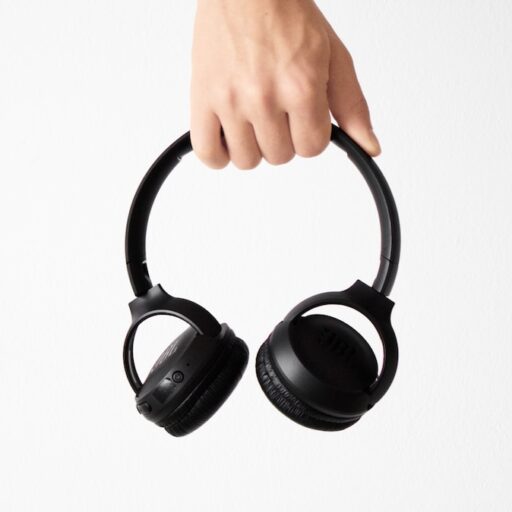
Support our educational content for free when you purchase through links on our site. Learn more
8 Best High-End Audiophile Headphones of 2026 🎧

The best high end audiophile headphones are the ones that fit your ears, suit your music, and work in your listening space. For open, spacious home listening, start with the Sennheiser HD 800 S or HIFIMAN Arya; for travel and shared spaces, look at closed-back options such as the Focal Bathys or Stellia.
We’ve watched plenty of listeners reach straight for the flagship shelf, then fall for a more comfortable pair after a longer audition. That’s the curious thing about high-end headphones: impressive specifications can get your attention, but fit, sound signature, and everyday practicality decide what you’ll actually enjoy.
Key Takeaways
- Choose for your listening environment: Open-back headphones suit quiet rooms; closed-back and wireless models offer more privacy and convenience.
- Audition before you commit: Familiar tracks, matched volume, and a comfortable 20-minute listen reveal more than a quick demo.
- Don’t shop by driver type alone: Dynamic, planar magnetic, and electrostatic designs each have strengths and trade-offs.
- Check your source and fit: Sensitivity, impedance, comfort, pad seal, and long-term service matter alongside sound quality.
- Our shortlist: Compare the Sennheiser HD 800 S, Focal Utopia, HIFIMAN SUSVARA, and Focal Bathys for different listening priorities.
👉 Shop headphones by listening style:
Table of Contents
- ⚡️ Quick Tips and Facts
- 🎧 What Makes Headphones “High-End” and Audiophile-Grade?
- Audiophile sound: accuracy, detail, and personal preference
- Dynamic, planar magnetic, and electrostatic drivers explained
- 📚 High-End Headphone History: From Studio Classics to Modern Flagships
- 🏆 Best High-End Audiophile Headphones of 2026
- Best Overall: Focal Utopia
- Best Premium Planar Magnetic: HIFIMAN SUSVARA
- Best for Soundstage: Sennheiser HD 800 S
- Best Closed-Back Reference: Focal Stellia
- Best Wireless Audiophile Headphones: DALI IO-12
- Best Portable High-End Headphones: Focal Bathys
- Best Value Planar Magnetic: HIFIMAN Edition XS
- Best Entry-Level Audiophile Pick: HIFIMAN HE400se
- 🔍 High-End Audiophile Headphone Reviews by Listening Style
- Focal Clear MG: Lively, Detailed Listening
- Focal Utopia: Flagship Detail and Dynamics
- Sennheiser HD 660S2: Natural Vocals and Easy Listening
- Sennheiser HD 800 S: Expansive Soundstage
- Sennheiser HD 820: Closed-Back Alternative
- HIFIMAN HE100 and Arya: Spacious Planar Sound
- HIFIMAN Ananda Nano and Ananda Unveiled: Fast, Open Planars
- Meze Audio 109 Pro: Musical Detail and Comfort
- Meze 99 Classics: Warm Closed-Back Listening
- Audeze LCD-2 and LCD-GX: Rich Planar Sound
- FOSTEX TH900 MK2: A Dynamic, Bass-Forward Signature
- Beyerdynamic T1 3rd Gen: Detailed Listening at Home
- Bang & Olufsen Beoplay H100: Luxury Wireless Listening
- Koss Porta Pro: A Surprisingly Capable Budget Classic
- 🎼 Open-Back vs. Closed-Back Audiophile Headphones
- Soundstage, isolation, and where each design works best
- 🔌 Do You Need a Headphone Amp or DAC?
- Impedance, sensitivity, power, and balanced connections
- Choosing a desktop, portable, or tube headphone amplifier
- 🎚️ Wired, Wireless, Bluetooth, and Lossless Audio
- Bluetooth codecs, ANC, and wireless sound quality
- Streaming services, high-resolution audio, and source quality
- 👂 Fit, Comfort, Ear Pads, and Long Listening Sessions
- 🎛️ EQ, Frequency Response, and Personalizing Headphone Sound
- 🧰 Care, Repairs, Cables, and Headphone Longevity
- 🛒 High-End Audiophile Headphone Buying Guide
- Match headphones to music, listening habits, and budget
- How to audition headphones and compare them fairly
- Common buying mistakes and marketing myths
- ❓ High-End Audiophile Headphones: Frequently Asked Questions
- What audiophile headphones do we recommend for most listeners?
- Are expensive audiophile headphones worth it?
- Can high-end headphones work without an amplifier?
- Are wired headphones better than wireless for sound quality?
- What is the difference between planar and dynamic headphones?
- Which audiophile headphones are best for classical, rock, or electronic music?
- Are open-back headphones suitable for travel or work?
- ✨ Honorable Mentions: More High-End Headphones Worth Hearing
- Focal Bathys, Meze Audio POET, and DALI IO-12
- HIFIMAN Shangri-La and other electrostatic headphones
- Fostex T50RP variants and mod-friendly headphones
- ✅ Conclusion: Finding Your High-End Audiophile Headphones
- 🔗 Recommended Links
- 📖 Reference Links
⚡️ Quick Tips and Facts
If you’re comparing high-end models with the wider field in our guide to the best headphones, start with how and where you listen—not with the most expensive logo in the display case. At Headphone Brands™, we’ve found that fit, tuning, and a good recording can matter more to your enjoyment than a headline-grabbing spec.
| Quick fact | What it means for you |
|---|---|
| Open-back headphones leak sound | They can create a spacious, natural presentation, but people nearby will hear your music and outside noise will reach you. |
| Planar magnetic is a driver design, not a sound-quality guarantee | Planar headphones can deliver fast, detailed sound, but tuning, comfort, and amplification still matter. |
| Impedance alone doesn’t tell you whether an amp is needed | Sensitivity and the source’s output capability matter too. Check the manufacturer’s specifications and try your actual setup. |
| Wireless convenience has trade-offs | Bluetooth headphones add batteries, processing, and noise cancellation; wired listening may offer more flexibility for a stationary hi-fi setup. |
| A familiar recording is your best audition tool | Use music you know well, listen at comfortable matched volume, and compare one quality at a time. |
| Comfort is part of performance | A headphone that hurts after 20 minutes won’t become a favorite because its frequency-response chart is impressive. |
Our quick recommendation: for a quiet room, consider an open-back reference headphone such as the Sennheiser HD 800 S, Focal Clear MG, or HIFIMAN Arya. For travel and shared spaces, shortlist a closed-back or wireless model instead. Browse more options in our audiophile headphones and Bluetooth headphones categories. 🎧
🎧 What Makes Headphones “High-End” and Audiophile-Grade?
“High-end” can describe price, materials, engineering, or a brand’s flagship product. “Audiophile” is more useful when it describes what you value: faithful reproduction, low distortion at normal listening levels, useful detail, comfort, and a sound signature that suits your music.
There is no single headphone that wins every listener. One person wants a wide, airy stage for orchestral recordings; another wants punchy bass and close-up vocals for rock. We’ve heard both listeners call their pick “the most accurate.” That isn’t necessarily a contradiction: preference, fit, hearing, music, and listening level all change the experience.
Audiophile sound: accuracy, detail, and personal preference
A useful headphone should reproduce familiar recordings clearly without making every track sound alike. Pay attention to:
- Frequency balance: How the bass, midrange, and treble relate to each other.
- Tonal accuracy: Whether instruments and voices sound believable to you.
- Detail and separation: How easily you can follow quieter sounds in a busy mix.
- Dynamics: Whether small changes and powerful peaks feel convincing.
- Imaging and soundstage: How clearly sounds appear positioned around your head.
- Distortion and resonance: Unwanted coloration that can become distracting.
- Comfort and consistency: Whether the fit stays comfortable and produces a reliable seal.
Measurement databases such as RTINGS’ headphone test methodology and the Audio Science Review forum can help identify performance patterns. Measurements don’t tell you exactly what you’ll enjoy, though: ear shape and headphone fit influence what reaches your eardrum. Use data to ask better questions, then listen for yourself.
A practical listening habit: use the same short playlist for each audition. Choose one vocal track, one acoustic recording, one dense or distorted mix, and one bass-heavy track. Keep the playback level similar; a slightly louder headphone can seem more impressive even when it isn’t better balanced.
Dynamic, planar magnetic, and electrostatic drivers explained
The driver converts an electrical signal into sound. Its technology affects design and power needs, but driver type alone cannot tell you which headphone will sound best.
| Driver type | How it works | Common strengths | Trade-offs |
|---|---|---|---|
| Dynamic | A coil moves a diaphragm in a magnetic field | Broad product range, often straightforward to drive, many familiar tunings | Performance varies widely by design and tuning |
| Planar magnetic | A thin diaphragm with conductive traces moves between magnets | Often chosen for low distortion, quick response, and spacious presentation | Some models are heavy or need more current than a phone provides comfortably |
| Electrostatic | An electrically charged diaphragm moves between stators | Can offer very fine detail and a distinctive, open presentation | Usually requires a dedicated energizer or compatible system; fewer options and higher setup complexity |
| Balanced armature / hybrid | Small armature drivers, sometimes combined with dynamic or other drivers | Common in-ear monitors; compact designs can target specific frequency ranges | Fit and ear tips are critical; multi-driver designs are not automatically superior |
Electrostatic systems are a category of their own: a regular headphone amplifier generally isn’t a substitute for the required energizer. Before buying, read the manufacturer’s system requirements and confirm what equipment is included.
📚 High-End Headphone History: From Studio Classics to Modern Flagships

The high-end headphone story isn’t a straight march toward newer being better. It’s a conversation between studio monitoring, home hi-fi, portable listening, and new driver technologies.
Classic dynamic models helped establish the idea of a reliable reference headphone. Later, planar magnetic and electrostatic designs pushed different approaches to detail, diaphragm behavior, and system matching. Today, premium headphones also compete on materials, repairability, wireless features, noise cancellation, and how comfortably they disappear during a long listening session.
The luxury hi-fi scene shown in the featured video pairs headphones with turntables, tape machines, amplifiers, speakers, and treated rooms. That’s an evocative picture of audiophile listening, but it can make the hobby seem like a shrine to gear. The point of the equipment is still the music. You don’t need a reel-to-rel deck or a dedicated listening room to hear the difference between a comfortable, well-matched headphone and one that doesn’t suit you.
For a useful history of headphone and audio technology, the Smithsonian National Museum of American History offers context on communication and sound equipment, while manufacturers’ own histories can help explain how particular product lines evolved.
🏆 Best High-End Audiophile Headphones of 2026
There isn’t one universally best headphone. The picks below represent different priorities, from expansive open-back listening to travel-friendly wireless convenience. Check current manufacturer specifications and regional availability before buying: product revisions and included accessories can vary.
| Listening priority | Strong shortlist | Design | Isolation | Amp dependence | Best fit |
|---|---|---|---|---|---|
| Flagship wired listening | Focal Utopia | Open-back | Low | Source-dependent | Detail, dynamics, premium build |
| Planar reference | HIFIMAN SUSVARA | Open-back planar | Low | Often benefits from a capable amp | Spacious, resolving home listening |
| Wide presentation | Sennheiser HD 800 S | Open-back | Low | Source-dependent | Soundstage and long listening |
| Closed-back flagship | Focal Stellia | Closed-back | Higher than open designs | Source-dependent | Home, office, and shared spaces |
| Premium wireless | DALI IO-12 | Wireless, closed-back | Active/passive isolation | Built-in electronics | Flexible listening without a separate amp |
| Portable wireless | Focal Bathys | Wireless, closed-back | ANC | Built-in electronics | Travel and daily commuting |
| Planar value contender | HIFIMAN Edition XS | Open-back planar | Low | Source-dependent | Spacious sound at a less exotic tier |
| Affordable planar entry | HIFIMAN HE400se | Open-back planar | Low | Source-dependent | First step into planar headphones |
How to read the table: “Amp dependence” is a practical prompt, not a universal pass/fail. Check each model’s sensitivity and impedance, then test your actual source at a safe listening level.
Best Overall: Focal Utopia
The Focal Utopia is a premium open-back dynamic headphone aimed at listeners who want an intimate, highly resolved presentation and substantial build quality. Its open design makes it a home-listening choice, not a quiet office secret.
It’s worth auditioning if you care about vocal texture, instrument separation, and fast changes in musical dynamics. It may be less appealing if you want strong isolation, prominent bass by default, or a lightweight travel companion. Compare the current model’s specifications and accessories directly with Focal’s product page.
Best Premium Planar Magnetic: HIFIMAN SUSVARA
The HIFIMAN SUSVARA is an open-back planar magnetic flagship for a carefully chosen home system. Planar fans often value its scale, low-level detail, and spacious presentation, but the rest of the setup needs to be considered along with the headphones.
Potential strengths
- Spacious, open presentation for focused listening.
- Planar magnetic design for listeners who enjoy that style of reproduction.
- A serious reference option for comparing recordings and sources.
Potential drawbacks
- Open-back leakage makes it a poor fit for noisy spaces or nearby sleeping listeners.
- System matching and amplification deserve more attention than they do with many portable headphones.
- Fit, weight, and headband comfort should be tested, not inferred from the specification sheet.
HIFIMAN’s product lineup and support details can change, so confirm the exact model and included accessories on the official HIFIMAN site.
Best for Soundstage: Sennheiser HD 800 S
The Sennheiser HD 800 S is a well-known open-back choice for listeners who prize spacious imaging and a large-feling presentation. It can be especially compelling with orchestral music, live recordings, and mixes where you want to track instruments across a broad scene.
A large soundstage isn’t the same as natural sound for every person. Some listeners prefer a more intimate presentation, and a wide headphone can make certain recordings feel distant. The HD 800 S also offers essentially no environmental isolation, so save it for a quiet room.
Best Closed-Back Reference: Focal Stellia
The Focal Stellia combines a closed-back design with premium construction and a high-end wired listening focus. Compared with an open-back flagship, a closed design makes more sense when you want to limit sound leakage or keep some ambient noise at bay.
Closed-back doesn’t mean silent: passive isolation varies by fit, and it won’t replace active noise cancellation in a busy aircraft cabin. Check comfort and seal carefully, especially if glasses or unusual ear-pad fit affect the response.
Best Wireless Audiophile Headphones: DALI IO-12
The DALI IO-12 is designed for listeners who want wireless convenience alongside a premium headphone experience. It makes more sense than a wired open-back model when you move between rooms, work at a desk, or want a self-contained setup.
Before buying any wireless headphone, verify the current Bluetooth codecs, battery claims, input options, and behavior while charging from the manufacturer’s specifications. The sound you hear can also vary with wireless mode, active processing, and the connected device.
If you’re comparing wireless models, see our Bluetooth headphones guide and consider whether you need portability, active noise cancellation, or simply fewer cables.
Best Portable High-End Headphones: Focal Bathys
The Focal Bathys is a wireless closed-back headphone for travel and everyday listening. Its central appeal is versatility: Bluetooth for convenient use, noise cancellation for noisy settings, and wired options for situations where you’d rather connect directly.
Best for: listeners who want a premium all-in-one travel headphone.
Think twice if: your priority is a serviceable wired reference setup with no battery or onboard processing.
For commuting, ANC performance and fit may matter more than small differences in high-frequency detail. If possible, audition with the same noise conditions you actually face.
Best Value Planar Magnetic: HIFIMAN Edition XS
The HIFIMAN Edition XS gives listeners a route into open-back planar sound without jumping directly to a flagship. Its strengths depend on your taste and fit, but it can make sense if you want spacious listening and have a quiet place to use it.
Like other open-back planars, it won’t keep sound to itself. Check the current product page for specifications, accessories, and warranty information, and compare comfort in person if possible. A wide headband or ear cup can feel very different across head shapes.
Best Entry-Level Audiophile Pick: HIFIMAN HE400se
The HIFIMAN HE400se is an accessible way to explore planar magnetic headphones. It offers a more affordable entry point in the category, though “entry-level” describes its position—not a promise that it will suit every listener or phone.
Plan to test it with your usual source. If you can’t reach comfortable volume without turning the device close to its maximum, a compatible headphone amplifier may help. Don’t buy an amp by habit: first check the headphone’s specifications and your source’s output.
🔍 High-End Audiophile Headphone Reviews by Listening Style
Product names and specifications change over time, so treat these as listening-style guides, not universal rankings. We recommend checking current model details with each manufacturer and auditioning when you can.
| Model | Design | Best starting point | Main compromise |
|---|---|---|---|
| Focal Clear MG | Open-back dynamic | Detailed home listening | Leaks sound |
| Sennheiser HD 660S2 | Open-back dynamic | Vocals and intimate listening | Narrower presentation than some rivals |
| Sennheiser HD 820 | Closed-back dynamic | Private listening with a premium build | Closed-back signature is a personal preference |
| HIFIMAN Arya | Open-back planar | Spacious presentation | Fit and amp matching matter |
| HIFIMAN Ananda Nano | Open-back planar | Fast, detailed planar listening | No isolation |
| Meze Audio 109 PRO | Open-back dynamic | Comfort and musical presentation | Open design leaks |
| Audeze LCD-2 | Open-back planar | Rich, weighty sound | Weight and fit deserve attention |
| Beyerdynamic T1 3rd Gen | Open-back dynamic | Home hi-fi listening | No isolation; check regional model details |
Focal Clear MG: Lively, Detailed Listening
The Focal Clear MG is an open-back wired model for listeners who want detail and an energetic presentation without stepping straight into a flagship. Its open design is best at home, and its character should be auditioned with your own music rather than inferred from a single review.
Good fit if you want:
- A premium build for dedicated listening.
- A lively, articulate presentation.
- A wired headphone without wireless electronics or ANC.
Less ideal if you need: isolation, travel convenience, or a headphone that you can use beside a sleeping partner.
Focal Utopia: Flagship Detail and Dynamics
The Focal Utopia is an open-back flagship, so its strongest use case is focused listening in a quiet space. It’s the model to consider if you want a refined, highly revealing presentation and appreciate premium materials.
That revealing character can expose rough recordings and sharp mixes. We suggest auditioning both a polished studio track and a recording you know to be imperfect. If the second track becomes tiring, that’s useful information—not a challenge to spend more.
Sennheiser HD 660S2: Natural Vocals and Easy Listening
The Sennheiser HD 660S2 is an open-back wired headphone suited to listeners who enjoy a close, engaging presentation. Vocals and midrange-focused music are natural audition material, but bass response and comfort still depend on personal fit and preference.
It won’t give you isolation or a huge, cinema-like soundstage. That is part of its design context, not a defect to “fix.” Compare it with a wider-sounding model such as the HD 800 S before deciding which style feels more convincing.
Sennheiser HD 800 S: Expansive Soundstage
The Sennheiser HD 800 S is a specialist for spacious, open listening. Try it with live recordings, orchestral passages, and well-recorded acoustic music to hear what its presentation does for you.
It’s not a private or portable headphone. Also, listeners differ on whether a very broad presentation feels immersive or too distant. A fair comparison means matching volume and using the same passage, not relying on memory from a shop demo.
Sennheiser HD 820: Closed-Back Alternative
The Sennheiser HD 820 offers a closed-back option within Sennheiser’s high-end range. Consider it if you want a more private listening experience than an open-back design allows, but try it before buying: closed-back response can sound different from the open-back models you may already know.
Confirm exact product availability and specifications with Sennheiser, as catalogues and regional offerings can change. For an even more travel-focused approach, compare it with wireless ANC designs rather than assuming passive isolation will handle every environment.
HIFIMAN HE100 and Arya: Spacious Planar Sound
“HIFIMAN HE100” can refer to different models in HIFIMAN’s broader lineup, so check the complete model name before comparing reviews. The HIFIMAN Arya is a better-defined open-back planar family to shortlist for listeners who want spacious sound and a large presentation.
With either model, verify:
- The exact generation and included cable.
- Impedance and sensitivity.
- Warranty and service terms in your region.
- Comfort, headband fit, and how the ear pads meet your face.
That last point matters more than it sounds. If the pads don’t seal or sit evenly, the perceived bass and tonal balance can shift.
HIFIMAN Ananda Nano and Ananda Unveiled: Fast, Open Planars
The HIFIMAN Ananda Nano and Ananda Unveiled are open-back planar choices for listeners drawn to detailed, spacious playback. Compare the exact model and generation on HIFIMAN’s site; similar names do not guarantee identical specifications or accessories.
As with other planar headphones, check comfort, sensitivity, and your source. If you mainly listen in a shared room, the open cups are likely to be a bigger practical issue than the difference between driver revisions.
Meze Audio 109 Pro: Musical Detail and Comfort
The Meze Audio 109 PRO is an open-back wired headphone that combines a distinctive design with a listening experience aimed at home hi-fi. Meze emphasizes materials and serviceability across its products; check the current product page for details on parts, accessories, and warranty.
A comfortable headphone often wins the long-session contest. Still, comfort is personal: clamp force, headband shape, ear size, and glasses all play a part. Try it on if possible, and listen for at least 20–30 minutes rather than stopping after the first impressive track.
Meze 99 Classics: Warm Closed-Back Listening
The Meze 99 Classics is a closed-back over-ear model with a style-conscious design and a more portable use case than open-back reference headphones. It can suit listeners who want to enjoy music without broadcasting it across the room.
The 99 Classics is not a substitute for every flagship studio-style headphone. Consider its tuning, seal, ear-pad fit, and intended use. For more options across everyday and travel categories, see our headphone accessories and budget headphones categories.
Audeze LCD-2 and LCD-GX: Rich Planar Sound
The Audeze LCD-2 is an open-back planar model with a substantial, full-size design. Its characteristic sound and physical feel appeal to some listeners; others find the weight a deal-breaker in long sessions. Try before you buy if head or neck comfort is a concern.
The Audeze LCD-GX is aimed at gaming as well as headphone listening, so compare its microphone and connection features with your actual setup. A gaming headset can be a convenient solution, but a dedicated music headphone may make more sense if music is your only priority.
FOSTEX TH900 MK2: A Dynamic, Bass-Forward Signature
The Fostex TH900 MK2 is a closed-back dynamic model associated with a bold, bass-forward listening style. If you love energetic electronic, hip-hop, or cinematic sound, it may be worth auditioning.
The same emphasis may not suit listeners seeking strict neutrality. Check the manufacturer’s current product information, since availability, included cables, and regional listings can differ. Try both bass-heavy tracks and acoustic recordings before deciding the tuning is a match.
Beyerdynamic T1 3rd Gen: Detailed Listening at Home
The Beyerdynamic T1 is a high-end over-ear model family. Confirm the exact generation and specification before comparing it with older reviews; model revisions can change connection details and sound.
Beyerdynamic’s broader range includes studio and home-listening products, but the T1 is not a universal fit. Pay special attention to treble comfort: listeners vary in how they respond to upper-frequency emphasis, and long sessions are a better test than a quick demo.
🎼 Open-Back vs. Closed-Back Audiophile Headphones
Open- and closed-back headphones solve different problems. Neither is automatically more “audiophile.” Choose based on where you listen, how much privacy you need, and which presentation you prefer.
| Factor | Open-back | Closed-back |
|---|---|---|
| Sound leakage | High | Lower, though not always silent |
| Environmental noise | Easily heard | Reduced to varying degrees |
| Typical setting | Quiet home listening | Shared rooms, work, travel |
| Spacious feel | Often a strength | Can sound more enclosed, depending on design |
| Bass behavior | Varies by model and fit | Varies by model and seal |
| Best first question | Can I listen in quiet? | Do I need isolation or privacy? |
Soundstage, isolation, and where each design works best
Open-back examples: Sennheiser HD 800 S, Focal Clear MG, Meze Audio 109 PRO.
Closed-back examples: Focal Stellia, Meze 99 Classics, Focal Bathys.
A quick way to decide:
- Sit in your normal listening place. Can you hear a fan, traffic, or conversations?
- Consider other people. Would they be bothered by music leaking out?
- Decide how you move. If you commute, travel, or change rooms, closed-back wireless may be the practical pick.
- Audition both. A closed design that fits well may sound better to you than an open one with an admired reputation.
🔌 Do You Need a Headphone Amp or DAC?
Not automatically. A headphone’s impedance is only one part of the picture; sensitivity, desired listening level, source output, and recording dynamics matter too. Start with the source you already own, then add equipment only if you can identify a real limitation.
A DAC converts digital audio to analog signal. A headphone amplifier provides the voltage and current needed to drive the headphones. Many phones, laptops, audio players, and wireless headphones include both functions in some form.
For fundamentals, see the National Institute of Standards and Technology’s work on audio and acoustic measurement and check the headphone maker’s published specifications.
Impedance, sensitivity, power, and balanced connections
| Spec or connection | What it tells you | What not to assume |
|---|---|---|
| Impedance (ohms) | Electrical load presented to the source | Higher impedance does not automatically mean better sound |
| Sensitivity | How efficiently a headphone converts a signal into sound | Two manufacturers may report it using different units |
| Power handling | A limit or guidance for safe electrical input | More amplifier power is not a quality upgrade by itself |
| Balanced output | A wiring and output configuration available on some gear | Balanced does not inherently mean better sound |
| Frequency response | A measured range under stated conditions | The printed range alone doesn’t show tonal accuracy |
Step-by-step system check
- Look up impedance and sensitivity for the exact model and generation.
- Connect it to your usual source at a conservative level.
- Play a dynamic recording with quiet passages and peaks.
- Ask whether there is enough volume headroom without hiss, distortion, or the control sitting at its limit.
- If the answer is no, compare a suitable amplifier or DAC/amp using reliable manufacturer specs.
Listening too loudly can damage hearing. The World Health Organization’s safe-listening guidance recommends keeping exposure in mind, especially during prolonged sessions.
Choosing a desktop, portable, or tube headphone amplifier
- Desktop solid-state amplifier: a sensible option for a fixed setup, especially if you need more output or multiple inputs.
- Portable DAC/amp: useful when your phone or laptop struggles to drive a wired model, or when you want a small wired listening chain.
- Tube amplifier: can add a particular tonal character and requires careful matching. It is not a required “upgrade” for an audiophile headphone.
- Electrostatic energizer: required for compatible electrostatic headphones; a conventional headphone amp is not a replacement.
Don’t buy equipment just because a forum says your headphone “needs” it. Try to confirm the actual problem first—insufficient headroom, noise, inconvenient connections, or a desired tonal change.
🎚️ Wired, Wireless, Bluetooth, and Lossless Audio
Wired headphones make sense for stationary listening, easy charging-free use, and compatibility with a separate amp. Wireless headphones earn their keep when movement, ANC, calls, and convenience matter more. The right choice depends on your daily routine, not a theoretical contest between cables and Bluetooth.
For broader wireless options, browse our Bluetooth headphones category. If you want in-ear alternatives for travel or exercise, see our earphones category.
Bluetooth codecs, ANC, and wireless sound quality
Bluetooth codecs affect how audio is transmitted, but codec support is only one part of the chain. The source and headphones must support compatible modes, and the headphone’s tuning and processing can matter more than a codec label.
Before buying a wireless model, check:
- Compatible Bluetooth codecs and source-device support.
- Battery life and whether the battery is replaceable or serviceable.
- Active noise cancellation and transparency modes.
- Wired listening options, if any.
- Microphone and call performance.
- App support, firmware updates, and privacy settings.
ANC is especially useful against steady low-frequency noise, such as cabin rumble. It is less reliable against every sudden voice, clatter, or high-frequency sound. For a lab-style comparison, consult independent tests such as RTINGS’ noise isolation methodology.
Streaming services, high-resolution audio, and source quality
A high-resolution file cannot repair a poor mix, bad mastering, or a headphone that doesn’t fit your taste. Start with a well-recorded version of music you know. Then compare formats at matched volume rather than expecting a larger sample-rate number to announce itself like a trumpet solo.
Check whether your streaming service sends audio to your device at the quality setting you selected. Bluetooth transmission may use a different format than a wired connection, and app settings, device compatibility, and network conditions all matter.
For a neutral technical overview of digital audio, see the Audio Engineering Society. For hearing safety, keep sessions comfortable and take breaks; the WHO safe-listening guidance is a useful starting point.
👂 Fit, Comfort, Ear Pads, and Long Listening Sessions
Comfort isn’t a luxury feature. It affects how long you listen, whether you keep a consistent fit, and how the headphone sounds. We’ve seen listeners abandon technically impressive models because the clamp felt too firm or the ear pads touched their ears.
Assess:
- Clamp force: Is it secure without squeezing?
- Headband pressure: Does weight concentrate at one point?
- Ear-cup depth: Do your ears touch the driver or inner fabric?
- Pad contact: Do glasses or hair disrupt the seal?
- Heat: Do the pads become uncomfortable after a long session?
- Adjustment range: Can different users get a stable fit?
Ear pads can wear down and alter both comfort and seal. Check whether replacement pads are available from the manufacturer before buying. Browse compatible headphone accessories, but confirm exact model compatibility: a pad that physically fits may still change the sound.
🎛️ EQ, Frequency Response, and Personalizing Headphone Sound
Equalization (EQ) adjusts levels across parts of the audible spectrum. It can be a practical way to reduce a sharp treble peak, add a little bass, or move a headphone closer to your preferred balance. It can’t fix every problem, and aggressive boosts may cause distortion or drain amplifier headroom.
A cautious EQ routine
- Listen to the headphone as-is for several familiar tracks.
- Identify one specific issue, such as too much treble or too little bass.
- Make a small, narrow adjustment rather than changing the entire curve.
- Match volume before and after EQ; louder often sounds more impressive.
- Toggle the change while listening to the same passage.
- Save a separate profile so you can return to the original tuning.
Measurement-based EQ profiles can be useful starting points, not commandments. The Harman research on headphone preference explores listener preference and target response, but no target makes every headphone perfect for every ear.
🧰 Care, Repairs, Cables, and Headphone Longevity
A quality headphone should be cared for like a small piece of precision equipment—but it doesn’t need to live in a climate-controlled museum. Keep it clean, dry, and protected from cable strain.
Simple maintenance routine
- Store headphones on a stable stand or in the supplied case.
- Disconnect by gripping the plug, not yanking the cable.
- Keep sweat and moisture away from pads and electronics.
- Clean surfaces with manufacturer-approved methods.
- Replace worn pads and cables only with compatible parts.
- Check warranty, repair, and parts availability before purchase.
Some premium models are easier to service than others. Ask the manufacturer whether cables, pads, headbands, batteries, and drivers can be replaced. A repairable headphone can be a better long-term buy than one with a more dazzling spec sheet and no support path.
🛒 High-End Audiophile Headphone Buying Guide
Buying a high-end headphone is less like picking a champion belt and more like finding the right chair: the one that works for somebody else may not work for your ears, music, room, or daily routine.
Match headphones to music, listening habits, and budget
Start with your real use case:
| Your priority | Start by comparing |
|---|---|
| Quiet-room music listening | Open-back wired models |
| Shared room or office | Closed-back or wireless models |
| Frequent travel | Wireless ANC headphones |
| Vocals and acoustic music | Midrange balance, comfort, and imaging |
| Bass-heavy music | Bass extension, seal, and EQ flexibility |
| Long sessions | Clamp, weight, pad depth, and heat |
| Minimal equipment | Sensitivity, built-in wireless operation, and source compatibility |
| Gaming and calls | Microphone, latency, and connection options |
Set a budget for the whole system, including a source or amplifier if required, replacement pads, and travel accessories. You don’t have to spend the entire budget on the headphone itself.
How to audition headphones and compare them fairly
- Bring familiar music. Include vocals, bass, acoustic instruments, and dense mixes.
- Check the fit first. Adjust the headband and pads before judging the sound.
- Match volume. A small loudness difference can skew impressions.
- Use the same source and track segment. Change one variable at a time.
- Listen long enough. Give yourself at least 20 minutes for comfort and fatigue.
- Try imperfect recordings. A revealing headphone can be exciting on excellent masters and tiring on rough ones.
- Test in the intended setting. An open headphone demo in a quiet shop won’t tell you how it behaves beside your desk fan.
- Review the return policy. A real home audition may be the only way to judge comfort and sound over several days.
When possible, ask a specialist retailer for an audition and confirm the exact model generation. Moon Audio’s editorial approach describes its aim as sharing product knowledge and enthusiasm with its community; that’s a useful reminder to treat retailer guides as a starting point and verify technical details with manufacturers.
Common buying mistakes and marketing myths
❌ “More expensive always means better.” Better for whom, and for what use?
✅ Compare comfort, tuning, service, and fit against your needs.
❌ “Planar means superior.” Driver type doesn’t guarantee tuning or comfort.
✅ Listen to the specific model.
❌ “High impedance means I need a huge amp.” Impedance alone is incomplete.
✅ Check sensitivity and source output too.
❌ “Lossless audio will fix my setup.” It can’t fix a poor recording or bad fit.
✅ Start with well-mastered music and comfortable playback.
❌ “Burn-in always changes the sound.” Claims vary, and expectation can influence perception.
✅ Focus on fit, seal, and a consistent listening comparison.
❌ “A more expensive cable is an automatic upgrade.” A cable can improve handling or replace a damaged one, but price alone doesn’t establish audible benefit.
✅ Choose a safe, compatible cable that suits your setup.
❓ High-End Audiophile Headphones: Frequently Asked Questions
What audiophile headphones do we recommend for most listeners?
For quiet home listening, shortlist the Sennheiser HD 800 S, Focal Clear MG, and HIFIMAN Arya because they represent different styles of open-back listening. For travel, compare the Focal Bathys and DALI IO-12.
The right choice depends on isolation, sound signature, comfort, and source. If we could recommend only one next step, it would be an audition with familiar music—not a blind leap based on a ranking.
Are expensive audiophile headphones worth it?
They can be worth it if you value their specific fit, sound, construction, serviceability, or features and plan to use them regularly. They are not automatically worth it because of a premium badge or a large frequency-response range on the box.
Consider how often you listen, what you dislike about your current headphones, and whether a better fit or modest EQ would solve the problem. A well-chosen midrange headphone can provide more enjoyment than a flagship that feels heavy, sounds too bright, or leaks sound into a shared room.
Which high-end headphone brands offer the most accurate sound?
No brand owns “accuracy.” Sennheiser, Focal, Audeze, HIFIMAN, Beyerdynamic, and Meze Audio each make models with different designs and tonal profiles.
For accuracy, compare measurements from reliable sources with careful listening. Also ask what “accurate” means to you: neutral tonal balance, realistic timbre, low distortion, or faithful reproduction of a particular reference. Those goals overlap, but they’re not identical.
What should you look for when choosing high-end audiophile headphones?
Prioritize these factors:
- Use case: Home, travel, work, gaming, or all of the above?
- Design: Open-back for quiet environments; closed-back for more privacy.
- Sound preference: Neutral, warm, bright, bass-forward, or spacious?
- Comfort: Weight, clamp, pad depth, and heat.
- Source compatibility: Impedance, sensitivity, wireless support, and amp needs.
- Durability: Replacement pads, cables, battery service, warranty, and repair options.
- Audition and return terms: You should have a fair way to test fit and sound.
Can I use high-end wired headphones with a phone or laptop?
Often, yes. Whether your device provides enough output depends on the headphone’s sensitivity and impedance, the device’s audio output, and your preferred listening level. Test your actual source before buying an amplifier. If you need near-maximum volume and still lack headroom, a compatible DAC/amp may help.
Are open-back headphones suitable for an office or apartment?
They can work if the room is quiet and sound leakage won’t bother anyone. Open-back headphones do not provide meaningful isolation, so conversations, fans, and street noise can intrude. In shared spaces, a closed-back or wireless ANC model is usually more considerate and practical.
Do I need a lossless streaming subscription for audiophile headphones?
No. A lossless service can be useful if you value its catalogue and playback features, but sound quality also depends on mastering, playback settings, device compatibility, and the headphone itself. A familiar, well-mastered recording is a better first test than a subscription upgrade.
How often should I replace headphone ear pads?
Replace them when they become uncomfortable, damaged, compressed, unhygienic, or no longer hold a consistent seal. There is no universal schedule: wear depends on use, heat, sweat, storage, and pad material. Use manufacturer-approved or model-compatible replacements because pads can affect comfort and sound.
What are the best high-end audiophile headphones for home listening?
For an open, spacious presentation, start with the Sennheiser HD 800 S. For a detailed, energetic sound, compare the Focal Clear MG. If you prefer planar magnetic headphones, consider the HIFIMAN Arya and audition it alongside the dynamic options.
For shared rooms, consider a closed-back model such as the Focal Stellia instead. “Best for home” depends on whether you need privacy, how long you listen, and whether you enjoy an expansive or intimate presentation.
Which high-end audiophile headphones are best for travel?
A wireless closed-back model with ANC is usually more practical than an open-back wired reference headphone. Compare the Focal Bathys and DALI IO-12 for features, fit, battery needs, and current codec support. For earbuds, explore our earphones category.
What’s the difference between a reference headphone and a fun-sounding headphone?
A “reference” headphone is generally intended to help listeners evaluate sound, while “fun” often describes a tuning that emphasizes qualities like bass impact, warmth, or treble sparkle. The terms aren’t standardized, and one listener’s reference can be another listener’s fatigue-inducing headset.
Use them as descriptions, not scores. Compare the actual sound with music you enjoy.
✨ Honorable Mentions: More High-End Headphones Worth Hearing
These additional models may suit particular priorities. Confirm exact names and current details with the manufacturer, especially when a product appears under several generations or regional listings.
| Model | Consider it if you want | Check before buying |
|---|---|---|
| Meze Audio POET | A newer premium Meze listening option | Current specifications, availability, and fit |
| Audeze LCD-GX | A music-and-gaming hybrid | Microphone and connection compatibility |
| Beyerdynamic T1 | A home-focused dynamic model | Exact generation and tuning |
| FOSTEX TH900 MK2 | Closed-back, energetic listening | Bass preference and current support |
| HIFIMAN electrostatic models | A dedicated electrostatic system | Energizer requirements and service |
| Koss Porta Pro | A compact, light classic for casual use | It is not a flagship over-ear reference |
Focal Bathys, Meze Audio POET, and DALI IO-12
The Focal Bathys and DALI IO-12 are wireless options for listeners who value portability. The Meze Audio POET belongs on a different audition list: confirm its exact configuration and intended use on the official site before comparing it with wireless models.
These headphones don’t all solve the same problem. Compare wireless features, isolation, connections, comfort, and battery support rather than treating the word “premium” as a specification.
HIFIMAN Shangri-La and other electrostatic headphones
The HIFIMAN Shangri-La is part of the electrostatic headphone conversation. Electrostatic headphones need compatible drive equipment, so verify the complete system requirements—not just the headphones. Consider the cost and space of the full chain, as well as repair and service availability.
For a broader selection of headphone types, including electrostatic, planar, wireless, and in-ear options, HeadAmp’s headphone collection discusses matching headphones with an amplifier or DAC and invites shoppers to ask for help.
Fostex T50RP variants and mod-friendly headphones
The Fostex T50RP has attracted enthusiasts interested in modification and customization. Before buying a moded pair, ask what parts have been changed, whether the work affects the warranty, and whether the finished headphone is still serviceable.
For a first high-end purchase, a stock model with clear manufacturer support is usually the lower-risk choice. A DIY or moded headphone can be rewarding, but it adds variables: pad choice, damping, cable changes, and build quality.