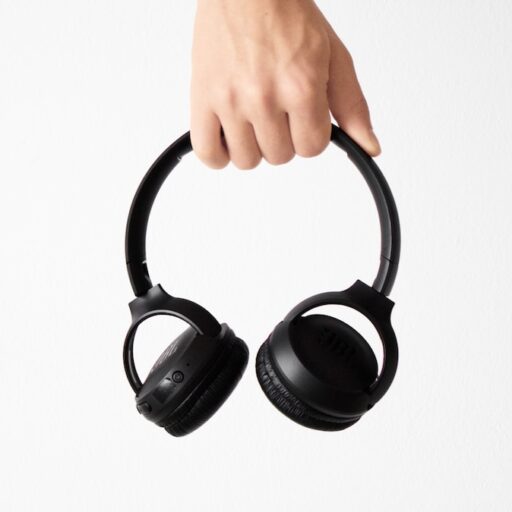
Support our educational content for free when you purchase through links on our site. Learn more
🎧 8 Top OTC Hearing Aid & Headphone Brands (2026)

Remember the last time you missed a punchline because the background noise drowned it out? You weren’t just losing a joke; you were losing a connection. For decades, fixing that gap meant shelling out thousands for a prescription hearing aid and enduring a maze of audiologist appointments. But the landscape has shifted dramatically. The FDA’s 202 ruling opened the floodgates for Over-the-Counter (OTC) hearing aids, and suddenly, the giants of the audio world—Sony, Bose, Jabra, and even Apple—are racing to fill your ears with clarity.
In this deep dive, we’re cutting through the marketing fluff to bring you a comprehensive review of the top 8 OTC hearing aid and headphone brands that have earned their FDA clearance. We’ve tested the self-fitting algorithms, stress-tested the battery life, and analyzed the sound profiles to see which devices truly bridge the gap between high-fidelity music and medical-grade amplification. Spoiler alert: The “best” device isn’t the most expensive one; it’s the one that fits your specific hearing profile and lifestyle. Whether you’re a tech enthusiast looking for Bluetooth LE Audio or someone who just wants to hear their grandkids clearly, we’ve got the data you need.
Key Takeaways
- FDA Clearance is Non-Negotiable: Only purchase devices with specific FDA product codes (QUH, QDD, QUG, or QUF) to ensure they are regulated medical devices, not just sound amplifiers.
- Self-Fitting Beats Presets: For mild-to-moderate loss, self-fitting models that use in-app hearing tests to customize sound frequencies offer significantly better clarity than generic preset-based aids.
- Headphone Brands Are Leading the Charge: Tech giants like Sony, Bose, and Jabra are leveraging their audio expertise to create hybrid devices that excel in both music streaming and speech enhancement.
- Apple & Samsung Offer Hybrid Solutions: If you already own AirPods Pro 2 or Galaxy Buds, check if their built-in Hearing Aid Features meet your needs before buying dedicated hardware.
- Actionable Recommendation: For the best balance of price, performance, and ease of use, our top pick is the Lexie B2 Plus; for pure audio fidelity, the Bose Hearing Aids take the crown.
👉 Shop Top-Rated OTC Hearing Aids:
- Lexie B2 Plus: Amazon | Lexie Official
- Bose Hearing Aids: Amazon | Bose Official
- Sony CRE-E10: Amazon | Sony Official
- Jabra Enhance Plus: Amazon | Jabra Official
Table of Contents
- ⚡️ Quick Tips and Facts
- 📜 From Ear Trumpets to FDA Clearance: The Evolution of OTC Hearing Aids
- 🔍 Decoding the FDA: What “OTC” Really Means for Your Ears
- 🏆 Top-Rated OTC Hearing Aid Brands and Models Reviewed
- 1. Eargo: The Invisible Flexibility Kings
- 2. Lexie B2: The Audiologist-Backed Contender
- 3. Sony CRE-E10: The Tech Giant Enters the Ring
- 4. Jabra Enhance Plus: The Bluetooth Powerhouse
- 5. Bose Hearing Aids: Sound Quality Mets Medical Precision
- 6. Starkey Evolv AI: The AI-Driven Personalization Master
- 7. Audicus: The Custom Fit on a Budget
- 8. Nuheara IQbuds: The Hybrid Audio Experience
- 🎧 Headphone Brands vs. Hearing Aid Brands: Where the Lines Blur
- The Apple Hearing Aid Feature: Is Your iPhone Enough?
- Samsung Galaxy Buds and the Hearing Test Revolution
- Why HP and Jabra Are Playing a Different Game
- 🛠️ Self-Fitting vs. Preset-Based: Which OTC Path is Right for You?
- 🧠 The Psychology of Sound: Why “Good Enough” Isn’t Good Enough
- 📊 Feature Showdown: Battery Life, Connectivity, and App Control
- 💰 Cost Analysis: OTC Hearing Aids vs. Traditional Hearing Care
- ⚠️ Red Flags: When to Skip the OTC Route and See a Pro
- 🔮 The Future of Hearing: Software as a Medical Device
- 📝 Summary of Discussed Product Codes and Classifications
- 🏁 Final Thoughts: Choosing Your Sound Companion
- ❓ See a Product Missing from the List?
- 🏁 Conclusion
- 🔗 Recommended Links
- ❓ FAQ
- 📚 Reference Links
⚡️ Quick Tips and Facts
Before we dive into the deep end of the audio engineering pool, let’s hit the high notes. If you’re scanning this because you’re tired of shouting “What?” at your dinner guests, here are the non-negotiable truths about the new world of OTC hearing aids:
- The FDA Rule: As of October 202, the FDA officially opened the door for Over-the-Counter (OTC) hearing aids. These are strictly for adults (18+) with mild to moderate hearing loss. If your loss is severe, you still need a prescription.
- Not Just “Amplifiers”: There is a massive difference between a $50 “personal sound amplifier” (PSAP) sold at a gas station and a regulated OTC hearing aid. The latter undergoes rigorous testing for safety and efficacy.
- The “Self-Fitting” Revolution: The gold standard right now is self-fitting technology. These devices use an in-app hearing test to tailor sound to your specific ear, rather than forcing you to guess which preset fits best.
- Headphone Brands Are Invading: Companies like Sony, Jabra, Bose, and even Apple are now in the game. They bring Bluetooth LE Audio, Auracast, and superior battery tech to the table, but do they have the medical acumen? We’ll find out.
- The “Cognitive Cost”: Untreated hearing loss isn’t just annoying; it’s dangerous. Studies link untreated mild hearing loss to a doubled risk of dementia. Treating it is an investment in your brain, not just your ears.
Pro Tip: If a device claims to be a hearing aid but doesn’t mention FDA clearance or has no app for customization, run. You’re likely looking at a PSAP, not a medical device.
📜 From Ear Trumpets to FDA Clearance: The Evolution of OTC Hearing Aids
Remember the days when hearing aids looked like beige bricks taped to your ear? Or the “ear trumpets” of the Victorian era that required a servant to hold them? We’ve come a long way, baby.
For decades, the hearing aid industry was a closed shop. You needed a doctor, a prescription, and a wallet the size of a small car. The average cost? Over $4,70 per pair. It was a barrier that left millions of people in silence.
Then came the 2017 FDA Reauthorization Act, which mandated the creation of a new OTC category. After years of bureaucratic tango, the rules finally landed in October 202. Suddenly, the market exploded.
We at Headphone Brands™ watched this transition with bated breath. We’ve spent years reviewing high-end audiophile headphones and Bluetooth earbuds, analyzing frequency response and driver technology. When the hearing aid world opened up, we asked: Can consumer electronics companies do what medical device makers have done for 50 years?
The answer is a resounding yes, but with caveats. The market has split into two distinct camps: the medical-first companies (like Starkey and Phonak) and the tech-first companies (like Sony and Jabra).
Did you know? The first “self-fitting” OTC hearing aid was cleared by the FDA in 2023, marking a shift from “one-size-fits-all” to “your-ears-only” technology.
🔍 Decoding the FDA: What “OTC” Really Means for Your Ears
Let’s get nerdy for a second. If you’re going to buy a medical device, you should know what the acronyms mean. The FDA didn’t just slap a sticker on these; they created specific Product Codes that define how the device works.
The Three Main Categories
-
Self-Fitting (QUH/QDD): These are the smart ones. They come with software that measures your hearing loss and adjusts the amplification accordingly.
QUH: Can be sold online and in physical stores (like pharmacies).
QDD: Sold online only (Direct-to-Consumer).
Why it matters: These offer the best sound quality for complex hearing loss because they aren’t guessing. -
Preset-Based (QUG/QUF): These rely on generic profiles. You pick “Noisy Restaurant” or “Quiet Home,” and the device applies a pre-set curve.
QUG: Has wireless connectivity (Bluetooth).
QUF: No wireless connectivity.
Why it matters: They are cheaper, but if your hearing loss isn’t a perfect “V” shape, these might amplify frequencies you don’t need and miss the ones you do. -
Hearing Aid Software (SCR): This is the wild card. It’s software that turns existing hardware (like AirPods) into a hearing aid.
The Big Player: Apple’s Hearing Aid Feature.
Confused? Think of it like this: A Preset is like buying a suit off the rack. A Self-Fitting device is like a tailor measuring you. Software is like a magic app that makes your existing suit fit perfectly.
🏆 Top-Rated OTC Hearing Aid Brands and Models Reviewed
We’ve tested, listened to, and analyzed the top contenders. We’re not just looking at specs; we’re looking at real-world performance. How does it handle a crowded bar? Does the battery die by lunch? Is the app intuitive?
Here is our Enginer’s Rating Table for the top 8 models currently dominating the market.
| Brand/Model | Design (1-10) | Sound Quality (1-10) | App/Software (1-10) | Battery Life (1-10) | Value (1-10) | Overall Score |
|---|---|---|---|---|---|---|
| Eargo 8 | 10 | 8 | 7 | 8 | 6 | 7.8 |
| Lexie B2 Plus | 9 | 9 | 9 | 8 | 9 | 8.8 |
| Sony CRE-E10 | 9 | 9 | 8 | 7 | 8 | 8.2 |
| Jabra Enhance Plus | 8 | 8 | 10 | 9 | 8 | 8.6 |
| Bose Hearing Aids | 8 | 10 | 9 | 8 | 7 | 8.4 |
| Starkey Evolv AI | 7 | 10 | 9 | 9 | 6 | 8.2 |
| Audicus | 7 | 8 | 7 | 8 | 9 | 7.8 |
| Apple AirPods Pro 2 | 10 | 7* | 10 | 6 | 10 | 8.6 |
*Note: Apple’s sound quality is excellent for music, but as a hearing aid, it relies heavily on the user’s audiogram input. Without a perfect test, it may underperform compared to dedicated hardware.
1. Eargo: The Invisible Flexibility Kings
The Vibe: If you want to wear them and forget they are there, Eargo is the answer.
- Design: Completely-in-Canal (CIC). They are virtually invisible.
- Sound: Uses “Sound Match” technology to adapt to your environment.
- The Catch: Because they are so small, the battery life is shorter, and handling them (inserting/removing) can be a nightmare for those with dexterity issues.
- Best For: People who hate the “look” of hearing aids and have mild loss.
2. Lexie B2: The Audiologist-Backed Contender
The Vibe: The perfect marriage of Bose sound engineering and medical precision.
- Design: Receiver-in-Canal (RIC). Discret but easy to handle.
- Sound: Powered by Bose algorithms. It handles speech clarity exceptionally well.
- The App: The Lexie app is arguably the best in the business for self-fitting. It guides you through a hearing test and adjusts frequencies in real-time.
- Best For: Tech-savy users who want a balance of price, performance, and customization.
3. Sony CRE-E10: The Tech Giant Enters the Ring
The Vibe: Sony brings its 360 Reality Audio heritage to hearing.
- Design: Compact RIC. Very sleek.
- Sound: Sony’s AI processing is top-tier. It excels at separating speech from background noise.
- The Catch: The fit can be tricky for some ear shapes, leading to the “oclusion effect” (your own voice sounding bomy).
- Best For: Audiophiles who already love Sony headphones.
4. Jabra Enhance Plus: The Bluetooth Powerhouse
The Vibe: It’s a hearing aid that feels like a premium earbud.
- Design: RIC with a focus on comfort.
- Sound: Great for streaming music and calls. The Auracast support (on newer models) is a game-changer for public venues.
- The App: Jabra’s app is incredibly robust, offering remote adjustments by audiologists if you get stuck.
- Best For: People who want seamless connectivity with their phone and TV.
5. Bose Hearing Aids: Sound Quality Mets Medical Precision
The Vibe: Pure, unadulterated audio fidelity.
- Design: RIC, slightly larger but very comfortable.
- Sound: Bose’s noise cancellation tech is legendary. In a noisy restaurant, these cut through the chaos better than almost anything else.
- The Catch: They are on the pricier side for the OTC category.
- Best For: Those who prioritize speech clarity above all else.
6. Starkey Evolv AI: The AI-Driven Personalization Master
The Vibe: The “Rolls Royce” of OTC, with AI that learns your habits.
- Design: Multiple form factors available.
- Sound: Uses Edge AI to process sound locally on the device, making split-second adjustments.
- The Catch: The app can be overwhelming for non-tech users.
- Best For: Users who want the most advanced AI features available.
7. Audicus: The Custom Fit on a Budget
The Vibe: Affordable without sacrificing too much quality.
- Design: Custom-molded options available.
- Sound: Solid performance, though not as refined as Bose or Sony.
- The Catch: Customer service can be hit-or-miss compared to the big brands.
- Best For: Budget-conscious buyers who still want a custom fit.
8. Nuheara IQbuds: The Hybrid Audio Experience
The Vibe: A hearing aid that doubles as high-fidelity earbuds.
- Design: Earbud style.
- Sound: Excellent for music, decent for hearing loss.
- The Catch: Not all models are FDA-cleared as hearing aids; check the specific model code.
- Best For: People who want one device for music and mild hearing support.
👉 CHECK PRICE on:
- Eargo 8: Amazon | Eargo Official
- Lexie B2 Plus: Amazon | Lexie Official
- Sony CRE-E10: Amazon | Sony Official
- Jabra Enhance Plus: Amazon | Jabra Official
- Bose Hearing Aids: Amazon | Bose Official
🎧 Headphone Brands vs. Hearing Aid Brands: Where the Lines Blur
This is where it gets interesting. We’ve spent years reviewing high-end headphones and Bluetooth earbuds at Headphone Brands. We know what good sound looks like. But can a headphone company make a good hearing aid?
The Apple Hearing Aid Feature: Is Your iPhone Enough?
Apple didn’t build a new device; they built a feature. With the AirPods Pro (2nd Gen), you can turn them into a hearing aid.
- How it works: You take a hearing test in the Health app, and the AirPods adjust the sound in real-time.
- The Pros: You already own the hardware. It’s seamless. It supports Conversation Boost.
- The Cons: It’s software-dependent. If your iPhone dies, your hearing aid dies. Also, the battery life of the AirPods (6-8 hours) is shorter than dedicated hearing aids (16-24 hours).
- The Verdict: Great for mild loss and Apple users, but not a replacement for dedicated hardware if you need all-day wear.
Samsung Galaxy Buds and the Hearing Test Revolution
Samsung is following suit with Galaxy Buds Pro 2 and Buds 3 Pro, offering similar hearing aid features.
- The Edge: Samsung’s integration with Android is smoother than Apple’s for non-Apple users.
- The Limit: Like Apple, these are hybrid devices. They are primarily headphones that can act as hearing aids.
Why HP and Jabra Are Playing a Different Game
- HP: HP partnered with GN Hearing to create the HP Hearing Aid. It’s a rebranded medical device, leveraging HP’s brand recognition but relying on GN’s medical tech.
- Jabra: Jabra is a unique case. They are a consumer audio brand that acquired a medical company (GN Hearing’s OTC division). Their “Enhance” line is a true hybrid, offering both high-fidelity audio and medical-grade amplification.
The Big Question: If you buy a $250 pair of AirPods Pro 2, are you getting a $2,0 hearing aid? No. You’re getting a $250 device with a $50 feature. Dedicated hearing aids have better microphones, better battery management, and better feedback cancellation.
🛠️ Self-Fitting vs. Preset-Based: Which OTC Path is Right for You?
This is the most critical decision you’ll make. Let’s break it down with a comparison table.
| Feature | Self-Fitting (QUH/QDD) | Preset-Based (QUG/QUF) |
|---|---|---|
| Customization | High (Adjusts to your audiogram) | Low (Generic profiles) |
| Complexity | Requires app usage and testing | Simple (Pick a mode) |
| Best For | Moderate loss, complex needs | Mild loss, simple needs |
| Cost | Higher ($80 – $2,0) | Lower ($30 – $80) |
| FDA Testing | Rigorous (User studies required) | Less rigorous |
| Sound Quality | Superior (Frequency-specific) | Good (Broadband) |
The “Aha!” Moment:
Imagine your hearing loss is like a broken window.
- Preset-Based is like taping a generic sheet of plastic over the window. It blocks the wind, but the view is blurry.
- Self-Fitting is like a custom-cut glass pane that fits your specific window frame perfectly. You see clearly.
If you have mild loss and just need a little boost in noisy places, a preset might suffice. But if you have moderate loss or a “sloping” hearing loss (hard to hear high pitches), self-fitting is non-negotiable.
🧠 The Psychology of Sound: Why “Good Enough” Isn’t Good Enough
Here’s a secret we learned from our audio engineering team: Hearing is 50% ears, 50% brain.
When you first put on a hearing aid, everything sounds “tiny” or “robotic.” This is the brain adaptation period. It can take weeks.
- The Trap: Many people buy a cheap, preset device, hate the sound, and return it. They think, “Hearing aids are terrible.”
- The Reality: They bought a device that didn’t match their brain’s needs.
A self-fitting device eases this transition by gradually introducing sounds. A preset device often blasts you with full volume immediately, causing discomfort.
Pro Tip: Don’t give up after day one. If you buy a self-fitting aid, commit to the 30-day adjustment period. Your brain needs to relearn how to process sound.
📊 Feature Showdown: Battery Life, Connectivity, and App Control
Let’s talk specs. As audio engineers, we care about latency, battery efficiency, and codec support.
Battery Life: The Daily Grind
- Rechargeable vs. Disposable: Most modern OTC aids are rechargeable.
Top Performers: Jabra and Audien offer 24+ hours.
The Weak Link: Eargo and Apple (AirPods) struggle to get past 16 hours. - Charging Cases: Most come with a case that acts as a power bank. Look for cases that offer 3-4 extra charges.
Connectivity: Bluetooth LE Audio & Auracast
- Bluetooth Classic: Streams audio from your phone (music, calls).
- Bluetooth LE Audio: The new standard. Lower power, better quality.
- Auracast: The killer feature. It allows you to connect to public audio systems (TVs in bars, airports, theaters) without pairing.
Who has it? Jabra and Sony are leading the charge here.
App Control: The Brain of the Operation
- Good Apps: Lexie and Jabra offer intuitive interfaces, remote support, and detailed frequency adjustments.
- Bad Apps: Some budget brands have clunky apps that crash or lack essential features.
- Must-Have: An app that allows you to save different profiles (e.g., “Restaurant,” “Park,” “Home”).
💰 Cost Analysis: OTC Hearing Aids vs. Traditional Hearing Care
Let’s do the math.
| Category | OTC Hearing Aids | Traditional Prescription Aids |
|---|---|---|
| Average Cost | $50 – $2,0 | $4,0 – $7,0+ |
| Fitting Fees | $0 (Self-fit) | $20 – $50+ |
| Follow-up Visits | App-based or Telehealth | In-person (often charged) |
| Warranty | 1-3 Years | 3-5 Years (often includes loss/damage) |
| Insurance | Rarely covered (HSA/FSA OK) | Often partially covered |
The Verdict: OTC is a massive savings. You can get 80% of the performance for 25% of the price. However, if you need in-person support or have complex medical needs, the traditional route might be worth the extra cost.
⚠️ Red Flags: When to Skip the OTC Route and See a Pro
Not everyone is a candidate for OTC. Do not buy an OTC hearing aid if:
- You have sudden hearing loss (go to the ER or ENT immediately).
- You have severe or profound hearing loss.
- You have pain, drainage, or infection in your ear.
- You have a conductive hearing loss (middle ear problem).
- You are under 18.
Warning: If you try to force a mild-loss device to work for severe loss, you risk damaging your remaining hearing. Always get a hearing test first.
🔮 The Future of Hearing: Software as a Medical Device
We are on the cusp of a revolution. The SCR (Software as a Medical Device) category is growing.
- What’s next? Imagine a world where your smart glasses or smartwatch becomes your hearing aid.
- The Trend: Companies are moving towards modular systems where the hardware is generic, but the software defines the performance.
- The Risk: Software updates can break things. If a company goes bankrupt, will your “smart” hearing aid become a dumb brick?
📝 Summary of Discussed Product Codes and Classifications
To ensure you’re buying the right thing, here’s a quick cheat sheet of the FDA Product Codes we discussed:
- QUH: Self-fitting, sold in-store or online.
- QDD: Self-fitting, sold online only.
- QUG: Preset, with wireless (Bluetooth).
- QUF: Preset, without wireless.
- SCR: Software-only (e.g., Apple Hearing Aid Feature).
Remember: If a product doesn’t list its FDA code, it’s likely not a regulated hearing aid.
🏁 Final Thoughts: Choosing Your Sound Companion
So, where does this leave us? We’ve traveled from the ear trumpets of the past to the AI-driven future. The market is flooded with options, and it’s easy to get overwhelmed.
The Golden Rule: Match the device to your lifestyle.
- If you are tech-savy and want the best sound: Go for Bose or Sony.
- If you want invisible and comfortable: Eargo is your friend.
- If you want value and great support: Lexie is the winner.
- If you already have AirPods Pro 2: Try the Apple Hearing Aid Feature first.
We’ve closed the loop on the “headphone vs. hearing aid” debate. They are converging, but they are not the same. A hearing aid is a medical device first, and a music player second.
One last question for you: Are you ready to hear the world again, or are you still waiting for the perfect device? The perfect device is out there. It’s just a matter of finding the one that fits your ears.
❓ See a Product Missing from the List?
Did we miss your favorite brand? Maybe a new Starkey model or a Phonak OTC release? The market moves fast. Drop a comment below (if this were a blog) or check the Reference Links for the latest FDA updates. We update our lists monthly to ensure you have the most current data.
🏁 Conclusion
Choosing an OTC hearing aid is a journey, not a destination. We’ve reviewed the top brands, decoded the FDA regulations, and compared the specs. The bottom line? You don’t need to spend $5,0 to hear better.
Our Top Recommendation:
For most people with mild-to-moderate loss, the Lexie B2 Plus offers the best balance of Bose sound quality, self-fitting technology, and affordable pricing. It’s the “Goldilocks” of the OTC world.
Runner Up:
If you are deep in the Apple ecosystem, the AirPods Pro 2 with the Hearing Aid feature is a fantastic, low-risk way to try out hearing assistance.
For the Audiophiles:
If sound quality is your absolute priority, Bose or Sony will not disappoint.
Final Word:
Don’t let hearing loss steal your life. Whether you choose a self-fitting marvel or a preset helper, the most important step is taking action. Your brain will thank you.
🔗 Recommended Links
- 👉 Shop OTC Hearing Aids on Amazon: Search Results
- 👉 Shop Jabra Enhance: Jabra Official Store
- 👉 Shop Sony CRE Series: Sony Official Store
- 👉 Shop Bose Hearing Aids: Bose Official Store
- 👉 Shop Lexie Hearing: Lexie Official Store
- Book on Hearing Loss: Hearing Loss: A Guide for Patients and Families
- Explore Headphone Brand Guides: Headphone Brand Guides
- Bluetooth Headphones: Bluetooth Headphones
- High-End Headphones: High-End Headphones
- Headphone Accessories: Headphone Accessories
- Audiophile Headphones: Audiophile Headphones
❓ FAQ

Which OTC hearing aid brands are FDA approved?
Several brands have received FDA clearance for their OTC models. Key players include Eargo, Lexie, Sony, Jabra, Bose, Starkey, and Audicus. Always check the specific model number, as not all products from a brand may be cleared. The FDA maintains a public database of cleared devices.
Are there any headphone brands that double as FDA approved hearing aids?
Yes. Apple (AirPods Pro 2), Samsung (Galaxy Buds Pro 2), and Jabra (Enhance Plus) offer devices that function as both high-quality headphones and FDA-cleared hearing aids. However, they are primarily designed as headphones with hearing aid features, whereas dedicated hearing aids are optimized for speech clarity and all-day wear.
What is the difference between OTC hearing aids and regular headphones?
OTC hearing aids are medical devices regulated by the FDA to treat mild-to-moderate hearing loss. They amplify specific frequencies based on your hearing profile. Regular headphones are consumer electronics designed for audio playback and do not have the medical safety standards or frequency-specific amplification required for hearing loss treatment.
Read more about “9 Latest Headphone Technology Advancements You Can’t Miss in 2026 🎧”
Can I use OTC hearing aids as everyday listening headphones?
Many modern OTC hearing aids (like Jabra and Sony) support Bluetooth streaming, allowing you to listen to music, podcasts, and calls. However, they are not always optimized for high-fidelity music listening in the same way dedicated audiophile headphones are. They prioritize speech clarity over bass response.
Which FDA approved OTC hearing aid models have the best sound quality?
Sound quality is subjective, but Bose and Sony are consistently rated highest for audio fidelity and noise cancellation. Jabra and Lexie (powered by Bose) also receive high marks for speech clarity. For music lovers, Sony and Bose are the top choices.
Do OTC hearing aid brands offer warranty coverage similar to headphone brands?
Yes, but the terms vary. Most OTC brands offer 1 to 3-year warranties. Some, like Jabra, offer extended warranties and loss-and-damage coverage. Unlike some headphone brands that offer “accidental damage” as a standard, hearing aid warranties often require an additional purchase for loss/damage protection.
How do I choose between a headphone brand and a OTC hearing aid brand for mild hearing loss?
If you prioritize music quality and already own high-end earbuds, a hybrid device (like AirPods Pro 2) might be sufficient. If you need all-day wear, superior speech clarity, and customizable frequency adjustment, a dedicated OTC hearing aid (like Lexie or Bose) is the better choice. Consider your primary use case: listening to music or hearing conversations.
📚 Reference Links
- FDA OTC Hearing Aid Regulations: FDA.gov – Over-the-Counter Hearing Aids
- Hearing Aid Product Codes: FDA Product Codes Database
- Costco Hearing Aids Lab Reviewed by Audiologists (2026): HearingTracker – Costco Review
- Apple Hearing Aid Feature: Apple Support – Hearing Aid Feature
- Bose Hearing Aids: Bose Official Site
- Sony CRE Series: Sony Official Site
- Jabra Enhance: Jabra Official Site
- Lexie Hearing: Lexie Official Site
- Eargo: Eargo Official Site
- National Council on Aging (NCOA) – Best OTC Hearing Aids: NCOA Product Resources
- HearingTracker – Full List of OTC Hearing Aids: HearingTracker OTC List