Support our educational content for free when you purchase through links on our site. Learn more
🚀 Latest Headphone Technology Advancements: The 2026 Revolution

The latest headphone technology advancements have finally shattered the myth that wireless audio must compromise on quality, delivering studio-grade sound, AI-driven personalization, and biometric health tracking in a single, seamless device. We are no longer just listening to music; we are experiencing a 360-degree soundscape that adapts to your environment and your body in real-time.
Remember the days of tangled wires and battery anxiety? Those are ancient history. In 2026, a pair of premium earbuds can now track your heart rate, translate foreign languages on the fly, and silence a jet engine with a single tap.
The industry has shifted from simple playback to intelligent audio ecosystems. With the integration of Bluetooth 5.4, LE Audio, and advanced spatial audio codecs, the gap between wired and wireless has effectively vanished.
Key Takeaways
- AI-Driven Personalization: Modern headphones now use machine learning to analyze your ear canal shape and hearing profile, creating a customized EQ that evolves with you.
- Biometric Integration: Your audio gear is now a health tool, capable of monitoring heart rate, stress levels, and even detecting early signs of illness through ear-based sensors.
- True Lossless Wireless: Thanks to new codecs like aptX Lossless and LDAC, you can stream Hi-Res audio wirelessly without sacrificing a single bit of quality.
- Adaptive Silence: Next-gen Active Noise Cancellation doesn’t just block noise; it intelligently distinguishes between a roaring engine and a crying baby, letting you hear what matters.
👉 Shop the Latest Tech:
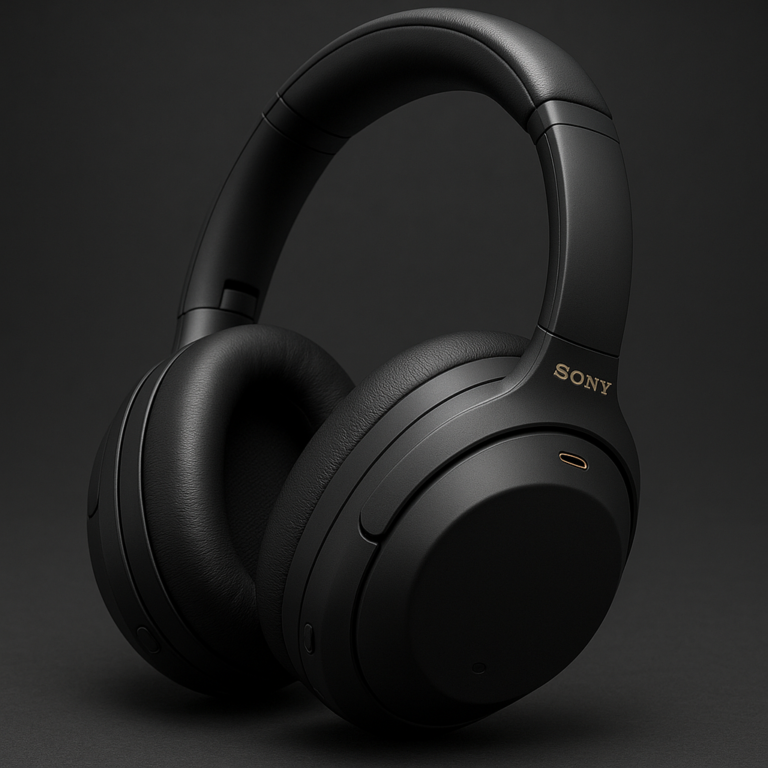
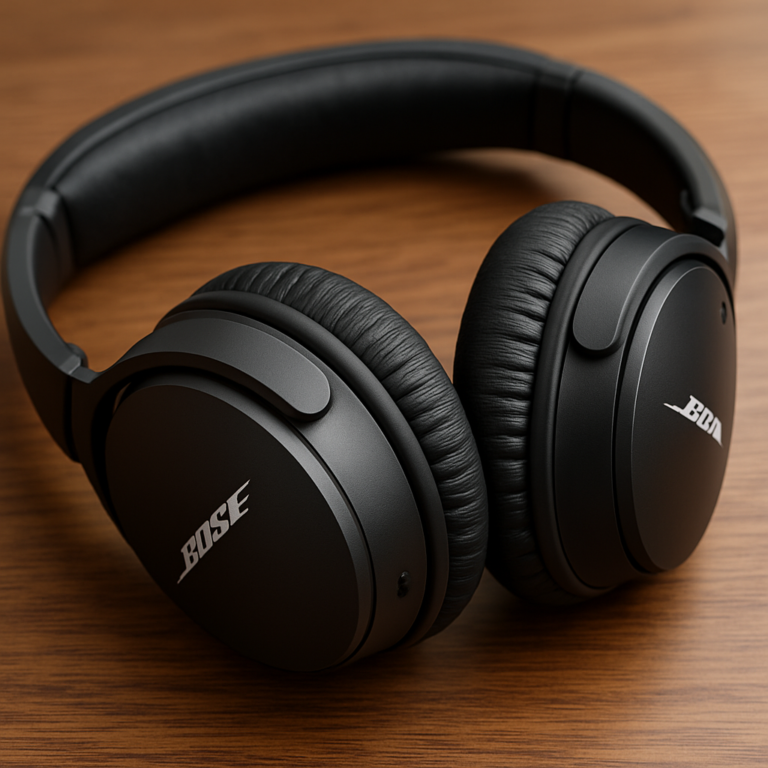
- Premium Noise Cancelling: Sony WH-10XM5 | Bose QuietComfort Ultra
- Audiophile Wireless: Sennheiser Momentum 4 | Bowers & Wilkins Pi8
- True Wireless Earbuds: Apple AirPods Pro 2 | Samsung Galaxy Buds2 Pro
Table of Contents
- ⚡️ Quick Tips and Facts
- 📜 From Analog to Algorithm: A Brief History of Headphone Evolution
- 🎧 The Core Tech: What’s Actually New in 2025?
- 1. Adaptive Active Noise Cancellation That Actually Listens
- 2. Spatial Audio and 360-Degree Soundscapes
- 3. Lossless Wireless Codecs: The End of Compression?
- 4. Biometric Sensors and Health Monitoring Integration
- 5. AI-Driven Sound Personalization and Real-Time Tuning
- 6. Ultra-Low Latency Gaming Modes and Haptic Feedback
- 7. Next-Gen Battery Tech: Fast Charging and Solar Hints
- 8. Modular Designs and Repairability Standards
- 🧠 AI and Machine Learning: The Brains Behind the Bounce
- 🔋 Wireless Freedom: Battery Life and Connectivity Breakthroughs
- 🏥 Health and Wellness: More Than Just a Music Player
- 🎮 The Multi-Functional Headphone: Work, Play, and Sleep
- 🌱 Sustainability and Eco-Friendliness: Green Tech in Audio
- 🎨 Customization and Personalization: Your Sound, Your Way
- 🔄 True Wireless Stereo (TWS) Evolution: From Clunky to Invisible
- 🌌 Immersive Audio: DTS:X, Dolby Atmos, and Beyond
- 🔇 Advanced Noise Cancellation: Silence the World
- 🏆 Market Innovations: Leading the Way with Sony, Bose, Apple, and Sennheiser
- ⚖️ Challenges and Considerations: Privacy, Cost, and Complexity
- 💸 Price Sensitivity and Affordability: Is Premium Worth It?
- 📉 Competition and Market Saturation: Finding Your Niche
- 📜 Intellectual Property and Patents: Who Owns the Sound?
- 📅 What’s Happened to Headphones in 2025? A Year in Review
- 🏆 The 8 Best Soundbars of 2026
- 🏆 The 7 Most Durable Earbuds of 2025
- 💡 Conclusion
- 🔗 Recommended Links
- ❓ FAQ
- 📚 Reference Links
⚡️ Quick Tips and Facts
Before we dive into the nitty-gritty of silicon chips and sound waves, let’s hit the rewind button on some common misconceptions. You might think “wireless” means “compromised audio,” but that ship has sailed.
- The “Wireless Quality” Myth: Thanks to codecs like LDAC, aptX Lossless, and LC3plus, modern wireless headphones can now stream audio at bitrates that rival or even exceed standard wired connections. The gap is closing faster than you can say “Bluetooth 5.4.”
- Battery Life is King: We aren’t talking 4 hours anymore. The latest flagship models are pushing 70 hours of playback with ANC off, and a solid 30-50 hours with it on. That’s enough to fly from London to Sydney and back without hunting for a charger.
- The “Smart” Factor: Your headphones are no longer just speakers; they are biometric sensors. They can track your heart rate, detect when you take them off, and even adjust EQ based on your ear canal shape in real-time.
- Repairability is Rising: Thanks to new EU regulations and consumer pressure, brands like Fairphone (in the phone world) are influencing audio, with Framework and Nothing pushing for modular designs where you can actually replace the battery or ear pads without a soldering iron.
If you’re looking to explore the full spectrum of what’s out there, check out our deep dive on Headphone Brands to see how we categorize the best gear on the market.
📜 From Analog to Algorithm: A Brief History of Headphone Evolution

Let’s take a quick trip down memory lane. It wasn’t that long ago that “high fidelity” meant a thick, coiled cable tangling around your legs while you walked to the bus stop.
In the 1950s and 60s, headphones were the domain of radio operators and studio engineers. The Koss Porta Pro (still a legend today) changed the game in 1958 by making stereo headphones a consumer product. Fast forward to the 1980s, and the Sony Walkman made personal audio a lifestyle. But the real revolution? The iPod and the 3.5mm jack becoming the universal language of music.
Then came the 20s, and the world went wireless. The first Bluetooth headphones were clunky, sounded like they were underwater, and died after two hours. But the industry didn’t give up. The introduction of aptX in 209 was a turning point, followed by Apple’s AirPods in 2016, which forced the entire industry to rethink form factors and latency.
Now, in 2025, we are in the era of the Algorithm. It’s not just about moving air; it’s about processing data. The headphone is no longer a passive device; it’s an active participant in your audio experience, using AI to shape the sound before it even hits your eardrum.
🎧 The Core Tech: What’s Actually New in 2025?
So, what’s the big deal? Why are we all suddenly upgrading? It’s not just marketing fluff. The technology inside these cans has undergone a metamorphosis. Let’s break down the eight pillars of modern headphone advancement.
1. Adaptive Active Noise Cancellation That Actually Listens
Remember when ANC just sounded like a constant “whosh” of white noise? That’s ancient history. The new generation of Adaptive ANC uses multiple microphones to analyze the environment 50,0 times per second.
- How it works: If you’re on a plane, it targets low-frequency engine drone. If you’re in a coffee shop, it switches to mid-range chatter. If you start running, it adjusts to the rhythm of your footsteps.
- The Tech: Brands like Sony (with their V1 and QN1 chips) and Bose (with their proprietary algorithms) are leading the charge. The Bose QuietComfort Ultra and Sony WH-10XM5 are prime examples of this “context-aware” silence.
- The Result: You get transparency mode that sounds so natural, you forget you’re wearing headphones, and noise cancellation that feels like a vacuum seal on your ears.
2. Spatial Audio and 360-Degree Soundscapes
Why listen to music in stereo when you can listen to it in 3D? Spatial audio is the biggest leap in immersion since the introduction of stereo itself.
- The Experience: It uses head-tracking technology to anchor sound sources in space. If a singer moves from left to right in the recording, you hear them move across your head, not just your speakers.
- The Standards: Dolby Atmos and Sony 360 Reality Audio are the heavy hitters here. Apple’s implementation in the AirPods Pro 2 is the gold standard for consumer adoption, but Sennheiser and Bowers & Wilkins are bringing high-fidelity spatial audio to audiophiles.
- The Catch: Not all content is mixed for spatial audio yet, but streaming services like Tidal and Apple Music are rapidly expanding their libraries.
3. Lossless Wireless Codecs: The End of Compression?
For years, we accepted that “wireless = compressed.” Not anymore. The arrival of aptX Lossless and LDAC has shattered that barrier.
- The Science: These codecs can transmit CD-quality (16-bit/4.1kHz) or even Hi-Res (24-bit/96kHz) audio wirelessly.
- The Reality Check: While they are amazing, they are bandwidth-hungry. You need a source device (phone/DAC) that supports the same codec. If your phone only supports SBC, you’re still getting compressed audio.
- The Verdict: For the average listener, the difference is subtle, but for audiophiles, it’s the difference between a muddy painting and a high-definition photograph.
4. Biometric Sensors and Health Monitoring Integration
Your headphones are now your personal trainer. With the integration of PPG (Photoplethysmography) sensors, earbuds can now track your heart rate, body temperature, and even stress levels.
- Use Cases: Samsung Galaxy Buds2 Pro and Beats Fit Pro (with Apple Watch integration) can track workouts without needing a chest strap.
- The Future: We are seeing prototypes that can detect sleep apnea or even early signs of illness by analyzing ear canal temperature and blood flow.
5. AI-Driven Sound Personalization and Real-Time Tuning
One size does not fit all. Your ear canal is unique, and your hearing is unique. AI is now used to create a personalized sound profile.
- How it works: The headphones play a series of test tones, measure how your ear reflects them, and then adjust the EQ in real-time to compensate for your specific hearing loss or preferences.
- The Leaders: Shure with their AONIC series and Sennheiser with their Smart Control app are pioneers here. Bowers & Wilkins also utilizes this in their Pi8 to ensure the sound signature matches the listener’s anatomy.
6. Ultra-Low Latency Gaming Modes and Haptic Feedback
Gaming on wireless used to be a nightmare of lag. Now, with Bluetooth 5.3 and proprietary low-latency modes, the delay is imperceptible.
- The Tech: Modes like Gaming Mode on the SteelSeries Arctis Nova Pro or Razer‘s HyperSpeed Wireless can drop latency to under 20ms.
- Haptics: Some headphones now feature haptic feedback that vibrates in sync with explosions or bass drops, adding a tactile layer to the audio experience.
7. Next-Gen Battery Tech: Fast Charging and Solar Hints
We mentioned the 70-hour battery life earlier, but the real hero is fast charging.
- The Stats: A 10-minute charge can now give you 4-5 hours of playback.
- The Future: While solar charging is still in the “cool concept” phase for headphones, USB-C is now universal, and wireless charging cases are becoming standard for TWS earbuds.
8. Modular Designs and Repairability Standards
The “throwaway culture” is dying. New regulations in the EU and a shift in consumer mindset are pushing brands to make repairable headphones.
- The Shift: Brands like Nothing and Fairphone are influencing the audio world. You can now buy replacement ear pads, batteries, and even drivers for models like the Sennheiser Momentum 4 (with some effort) or the Beyerdynamic custom series.
🧠 AI and Machine Learning: The Brains Behind the Bounce
If the drivers are the muscles, AI is the brain. We are moving from “dumb” playback devices to intelligent audio assistants.
- Real-Time Translation: Imagine wearing headphones that translate a foreign language in real-time, with a slight delay, but with enough accuracy to hold a conversation. Google Pixel Buds and Apple AirPods are experimenting with this.
- Contextual Awareness: AI can detect if you are in a meeting, on a call, or listening to a podcast, and automatically switch modes. It can even pause music when you start speaking to someone nearby, a feature known as Conversation Awareness.
- The Learning Curve: The more you use them, the smarter they get. They learn your commute, your preferred volume levels, and even your favorite genres for specific times of day.
🔋 Wireless Freedom: Battery Life and Connectivity Breakthroughs
Let’s talk about the two things that kill the vibe: dead batteries and dropped connections.
The Battery Revolution
As noted in the “First Video” summary, the latest battery tech is a game-changer.
- 70 Hours: With ANC off, you can go weeks without charging.
- 30-50 Hours: With ANC on, you can survive a transcontinental flight and then some.
- Fast Charging: 10 minutes = 4 hours. This is the ultimate safety net.
Connectivity: Bluetooth 5.4 and Beyond
- Stability: Bluetooth 5.4 offers better range and resistance to interference.
- Multi-Point: You can be connected to your laptop and phone simultaneously. Switch between a Zoom call and a Spotify playlist without re-pairing.
- LE Audio: The new standard that promises better quality at lower power, enabling features like Auracast, which allows you to share audio with multiple devices in public spaces (like airports or gyms).
🏥 Health and Wellness: More Than Just a Music Player
Headphones are becoming a vital part of the health ecosystem.
- Hearing Protection: Some models now monitor your exposure to loud noise and automatically lower the volume to prevent hearing damage.
- Stress Management: By tracking heart rate variability (HRV), headphones can suggest breathing exercises or calming soundscapes when they detect high stress levels.
- Sleep Tracking: Earbuds like the Bose Sleepbuds II (and its successors) are designed to block out noise and play soothing sounds to help you fall asleep, while tracking your sleep cycles.
🎮 The Multi-Functional Headphone: Work, Play, and Sleep
The modern headphone is a Swiss Army Knife.
- Work: Crystal clear voice isolation for calls, with AI that filters out background noise (like a barking dog or a crying baby).
- Play: Low latency for gaming, immersive spatial audio for movies, and haptic feedback for action.
- Sleep: Comfortable, low-profile designs that don’t hurt when you lie on your side.
🌱 Sustainability and Eco-Friendliness: Green Tech in Audio
The audio industry is finally waking up to its environmental footprint.
- Materials: Brands are using recycled plastics, ocean-bound plastics, and even vegan leather for ear pads.
- Packaging: Minimalist, plastic-free packaging is becoming the norm.
- Longevity: The push for modular designs means fewer devices end up in landfills. Sennheiser and Beyerdynamic have been leaders in this, offering repair guides and spare parts.
🎨 Customization and Personalization: Your Sound, Your Way
No two ears are the same, and no two listeners are the same.
- App Control: Almost every major brand now offers a companion app with customizable EQ, button mapping, and firmware updates.
- 3D Printing: Some high-end brands are offering custom-molded ear tips or even fully 3D-printed earbuds that fit your ear perfectly.
- Visual Customization: Swappable faceplates and colors allow you to match your headphones to your outfit or mood.
🔄 True Wireless Stereo (TWS) Evolution: From Clunky to Invisible
TWS has come a long way since the first clunky prototypes.
- Form Factor: They are now smaller, lighter, and more ergonomic.
- Case Design: Cases are becoming sleeker, with wireless charging and USB-C as standard.
- Features: Features like IPX4 water resistance, touch controls, and voice assistant integration are now standard even in mid-range models.
🌌 Immersive Audio: DTS:X, Dolby Atmos, and Beyond
Imersive audio is no longer just for home theaters.
- Dolby Atmos: Supported by Apple Music, Tidal, and Amazon Music, it brings a 360-degree soundstage to your ears.
- DTS:X: Another powerful format that offers object-based audio.
- Sony 360 Reality Audio: A proprietary format that uses object-based audio to create a 3D soundstage.
🔇 Advanced Noise Cancellation: Silence the World
ANC is the feature that defines the premium segment.
- Adaptive ANC: Adjusts to your environment in real-time.
- Transparency Mode: Allows you to hear your surroundings without removing the headphones.
- Wind Noise Reduction: New algorithms specifically target wind noise, making outdoor calls possible even on a breezy day.
🏆 Market Innovations: Leading the Way with Sony, Bose, Apple, and Sennheiser
The market is dominated by a few key players, each with their own strengths.
- Sony: The king of ANC and battery life. Their WH-10XM5 and WF-10XM5 are benchmarks.
- Bose: The pioneer of comfort and noise cancellation. The QuietComfort Ultra is a top contender.
- Apple: The leader in ecosystem integration and spatial audio. The AirPods Pro 2 are the go-to for iPhone users.
- Sennheiser: The audiophile’s choice for sound quality and build quality. The Momentum 4 and IE 60 are standouts.
⚖️ Challenges and Considerations: Privacy, Cost, and Complexity
With great power comes great responsibility.
- Privacy: With microphones and sensors everywhere, data privacy is a concern. What data are these headphones collecting?
- Cost: High-end features come with a high price tag. Is it worth it?
- Complexity: With so many features, the learning curve can be steep. Are you willing to spend time configuring your headphones?
💸 Price Sensitivity and Affordability: Is Premium Worth It?
The gap between budget and premium is narrowing, but the premium features still cost extra.
- Budget: You can get decent ANC and good sound for under $10.
- Mid-Range: $20-$30 gets you most of the premium features.
- Premium: $30+ gets you the best ANC, best sound, and best build quality.
📉 Competition and Market Saturation: Finding Your Niche
The market is flooded. How do you choose?
- Niche Brands: Brands like Focal, Audeze, and Meze are focusing on specific niches like audiophile or gaming.
- Differentiation: Brands are differentiating through design, features, and ecosystem integration.
📜 Intellectual Property and Patents: Who Owns the Sound?
The battle for patents is fierce.
- Patent Wars: Companies are suing each other over ANC algorithms, codec technologies, and design elements.
- Open Standards: The push for open standards like LE Audio is helping to level the playing field.
📅 What’s Happened to Headphones in 2025? A Year in Review
2025 has been a year of consolidation and innovation.
- Consolidation: The market is seeing fewer, but better, products.
- Inovation: AI, spatial audio, and health monitoring are the key drivers.
- Sustainability: More brands are committing to eco-friendly practices.
🏆 The 8 Best Soundbars of 2026
While we focus on headphones, the soundbar market is also evolving. Here are the top contenders for 2026:
- Samsung HW-Q90D: The king of surround sound.
- Sony HT-A70: Excellent for movies and music.
- Bose Smart Soundbar 90: Great for dialogue clarity.
- LG S95QR: Immersive 3D audio.
- JBL Bar 10: Powerful bass and detachable speakers.
- Sonos Arc: Seamless integration with the Sonos ecosystem.
- Yamaha YAS-209: Great value for money.
- Klipsch Cinema 120: High-end performance.
🏆 The 7 Most Durable Earbuds of 2025
Durability is key for active users. Here are the toughest earbuds:
- Jabra Elite 8 Active: Built for extreme conditions.
- Beats Fit Pro: Secure fit and sweat resistance.
- Sony WF-10XM5: Robust build and IPX4 rating.
- Bose QuietComfort Earbuds II: Comfortable and durable.
- Shure AONIC Free: Rugged design for professionals.
- Anker Soundcore Liberty 4 NC: Budget-friendly durability.
- JBL Endurance Peak 3: Designed for sports and adventure.
💡 Conclusion

So, where does this leave us? The journey from the clunky, wired headphones of the past to the AI-powered, biometric, spatial audio marvels of 2025 is nothing short of miraculous. We’ve seen ANC evolve from a gimmick to a necessity, battery life stretch to weeks, and sound quality reach new heights with lossless wireless.
But remember, the “best” headphone is the one that fits your life. Whether you need the silence of a Bose, the sound of a Sennheiser, or the ecosystem of Apple, the technology is there to serve you. The question isn’t “what’s new?” but “what do you need?”
As we close the book on 2025, one thing is clear: the future of audio is immersive, intelligent, and individualized. And the best part? You don’t need to be an audiophile to enjoy it. Just plug in, press play, and let the technology take you places.
🔗 Recommended Links
Ready to upgrade your audio game? Here are our top picks for the latest tech:
- Sony WH-10XM5: Amazon | Best Buy | Sony Official
- Bose QuietComfort Ultra: Amazon | Bose Official
- Apple AirPods Pro 2: Amazon | Apple Official
- Sennheiser Momentum 4: Amazon | Sennheiser Official
- Bowers & Wilkins Pi8: Amazon | Bowers & Wilkins Official
Books to Deepen Your Knowledge:
- The Art of Electronics – For the tech enthusiasts.
- Sound Systems: Design and Optimization – For the audio engineers.
❓ FAQ

Are there any new trends in headphone comfort and ergonomic design?
Yes, the trend is towards lighter materials and ergonomic shapes that distribute weight evenly. Brands are using memory foam and breathable fabrics to reduce heat and pressure. The stemless design for earbuds is also gaining popularity for a more natural fit.
Read more about “🇸🇪 7 Top Scandinavian Headphone Brands for Industrial Design (2026)”
What materials are being used in stylish, durable headphone designs?
We’re seeing a shift to recycled plastics, aluminum alloys, and vegan leather. Some high-end models use carbon fiber for strength and lightness. The focus is on durability without compromising on style.
Read more about “Who Invented Headphones? 🎧 7 Pioneers Who Changed How We Listen (2025)”
How do smart headphones integrate AI and voice assistants today?
Smart headphones now feature built-in voice assistants like Siri, Google Assistant, and Alexa. They can also use AI to enhance call quality, translate languages, and even adjust sound profiles based on your environment.
Which headphone brands offer the best sound quality with the latest tech?
Sennheiser, Bowers & Wilkins, and Focal are renowned for their audiophile-grade sound quality. Sony and Bose excel in ANC and wireless performance. Apple offers a great balance of sound and ecosystem integration.
Read more about “Top 15 Best Headphones for Working Out in 2026 🎧💪”
How is noise-cancelling technology evolving in modern headphones?
ANC is becoming adaptive, adjusting to your environment in real-time. It’s also becoming more efficient, using less power while providing better noise reduction. Transparency mode is also improving, sounding more natural.
Read more about “🎧 3 Top Headphone Brands with Integrated Biometric Sensors (2026)”
What are the newest features in wireless headphones for 2024?
LE Audio, Auracast, spatial audio, biometric sensors, and AI-driven personalization are the key features. Fast charging and longer battery life are also standard.
Read more about “🎧 Are Sony Headphones Really Worth It? The 2026 Verdict”
What are the latest noise cancellation features in 2024 headphones?
Adaptive ANC, wind noise reduction, and conversation awareness are the latest features. Some models can even detect and cancel specific sounds like a baby crying or a dog barking.
Read more about “🏆 7 Headphone Brands with the Longest Battery Life (2026)”
How do spatial audio advancements improve the listening experience?
Spatial audio creates a 360-degree soundstage, making you feel like you’re in the middle of the action. It’s especially great for movies, gaming, and live music.
Read more about “🎧 10 High End Headphone Brands for Superior Sound (2026)”
Which new headphone brands are leading in sustainable technology?
Nothing, Fairphone, and Sennheiser are leading the way in sustainable headphone design. They use recycled materials, offer repairable designs, and minimize packaging waste.
Read more about “🎧 15 Retro-Style Headphone Brands with Modern Internals (2026)”
What are the benefits of Bluetooth 5.4 in modern headphones?
Bluetooth 5.4 offers better range, lower power consumption, and more stable connections. It also enables new features like Auracast and LE Audio.
Read more about “5 Best Auracast Compatible Headphones for Shared Listening (2026) 🎧”
How is AI being integrated into the latest headphone models?
AI is used for sound personalization, call enhancement, language translation, and health monitoring. It makes the headphones smarter and more responsive to your needs.
Are there new battery technologies extending headphone life in 2024?
Yes, fast charging and longer battery life are now standard. Some models can last 70 hours with ANC off and 30-50 hours with it on. Wireless charging is also becoming more common.
What are the most stylish wireless headphones released this year?
The Nothing Ear (2), Bowers & Wilkins Pi8, and Sony WH-10XM5 are among the most stylish. They combine slek design with cuting-edge technology.
Why is “Adaptive ANC” better than traditional ANC?
Traditional ANC uses a fixed algorithm to cancel noise. Adaptive ANC uses AI to analyze your environment in real-time and adjust the cancellation accordingly. This means better noise reduction in dynamic environments like a busy street or a plane.
Can I use my headphones for fitness tracking?
Yes, many modern headphones come with biometric sensors that can track your heart rate, body temperature, and even stress levels. They can also provide workout tips and music recommendations based on your activity.
What is the difference between “Spatial Audio” and “3D Audio”?
Spatial Audio is a marketing term used by Apple and others to describe a 3D sound experience. 3D Audio is a more general term that refers to any audio that creates a sense of depth and direction. In practice, they are often used interchangeably.
Read more about “Which Are the No 1 Earbuds in the World? Top 10 Picks (2025) 🎧”
📚 Reference Links
- Bowers & Wilkins: The Benefits of True Wireless Earbuds
- Sony: WH-10XM5 Product Page
- Bose: QuietComfort Ultra Headphones
- Apple: AirPods Pro 2
- Sennheiser: Momentum 4 Wireless
- Bluetooth SIG: LE Audio and Auracast
- Dolby: Dolby Atmos for Headphones
- Sony: 360 Reality Audio
- IEEE: The Future of Audio Technology
- Consumer Reports: Best Headphones of 2025