Support our educational content for free when you purchase through links on our site. Learn more
🎧 What Are the Headphones Everyone Is Wearing? (2026)


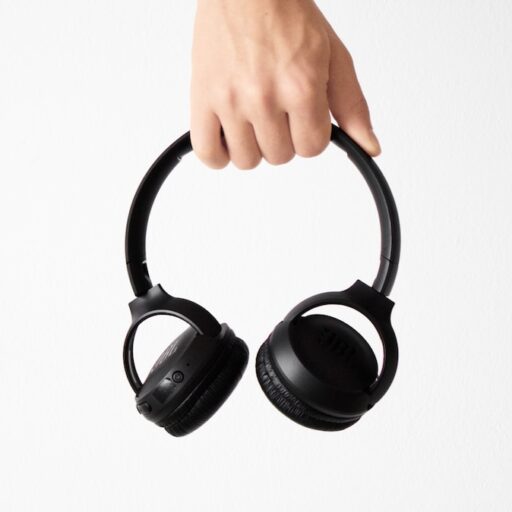
What are the headphones everyone is wearing? Most often, they’re large wireless over-ear headphones, with Apple AirPods Max among the most recognizable styles. But Sony, Bose, and Beats are popular for different reasons—and the right pick depends on whether you care most about noise cancellation, comfort, sound, portability, or the look.
We’ve watched headphones turn into both listening gear and an outfit accessory. On one commute, the person beside us wore sleek over-ears like a personal “do not disturb” sign; a few seats away, someone had wired earbuds plugged in, happily avoiding another device that needed charging. Both choices made perfect sense.
Key Takeaways
- Apple AirPods Max are a standout style choice, while Sony WH-100XM5 and Bose QuietComfort Ultra are strong alternatives for travel and noise cancellation.
- Beats Studio Pro are over-ear; Beats Solo 4 are on-ear. Fit and comfort can feel very different.
- Popularity doesn’t guarantee the right fit. Consider comfort, phone compatibility, microphone quality, battery life, and how you’ll use them.
- Wired earbuds are still practical: no Bluetooth pairing or headphone battery to charge, though you may need an adapter.
- Stay aware outdoors and keep listening levels comfortable. Noise cancellation can reduce background sound, but it doesn’t make headphones a safety device.
Table of Contents
- ⚡️ Quick Tips and Facts
- 🎧 So, What Are the Headphones Everyone Is Wearing?
- Why Over-Ear Headphones Became a Street-Style Staple
- The Difference Between Over-Ear, On-Ear, and Earbuds
- 📈 How Big Headphones Became a Fashion and Culture Trend
- From Portable Music Players to the Hot-Girl-Walk Accessory
- Why Celebrities, Comuters, and Students Wear Them
- 🏆 The Most Popular Over-Ear Headphones to Know
- 1. Apple AirPods Max: The Instantly Recognizable Pick
- 2. Sony WH-100XM5: The Noise-Canceling Comuter Favorite
- 3. Bose QuietComfort Ultra: Comfort and Quiet for Long Days
- 4. Beats Studio Pro: Bold Style With an iPhone-Friendly Feel
- 5. Beats Solo 4: The Compact On-Ear Alternative
- 6. Sony WH-CH720N: A Lightweight, Lower-Cost Noise-Canceling Option
- 7. Anker Soundcore Space One: Feature-Rich Everyday Headphones
- 🔎 Headphone Models You May See—and How They Compare
- Apple AirPods Max Versus Sony and Bose
- Beats Solo3 Wireless: Still Worth Considering?
- Sony MDR-ZX110 and MDR-ZX310AP: Simple Wired Choices
- Srhythm NC25 and ZIHNIC: What to Check Before Buying
- 🛍️ How to Choose the Right Headphones for You
- Noise Cancellation, Transparency Mode, and Awareness Features
- Comfort, Fit, Weight, and Glasses-Friendly Ear Cups
- Sound Quality, Microphone Performance, and Call Clarity
- Battery Life, Charging, and Wired Listening
- Bluetooth, Multipoint, and Phone Compatibility
- Foldable Designs, Carrying Cases, and Everyday Portability
- 🚶 Best Headphones for Walking, Travel, Work, and the Gym
- Headphones for Comuting and Air Travel
- Headphones for Work, Study, and Remote Calls
- Headphones for Walking and Outdoor Use
- When Earbuds or Open-Ear Headphones Make More Sense
- 🎨 Headphone Colors, Styling, and Wearing Comfortably
- Popular Headphone Colors and Outfit Pairings
- How to Wear Over-Ear Headphones Without Discomfort
- Can You Wear Headphones Around Your Neck?
- 🔊 Safe Listening: Volume, Hearing Health, and Situational Awareness
- How to Keep Listening Volume at a Safer Level
- Using Noise Cancellation Without Missing Important Sounds
- Walking, Cycling, and Local Headphone Rules
- 🧼 Headphone Care, Cleaning, and Troubleshooting
- How to Clean Ear Cushions and Headbands
- How to Improve Battery Life and Bluetooth Connection
- When to Replace Headphone Cushions or the Headphones
- 💡 Quick Buying Tips
- ✅ Conclusion
- 🔗 Recommended Links
- ❓ FAQ
- What brand of headphones is everyone wearing?
- Are AirPods Max still popular?
- Why are people wearing big headphones instead of earbuds?
- Which over-ear headphones are most comfortable?
- Are expensive headphones better for everyday use?
- Can you wear noise-canceling headphones while walking outside?
- What headphones work best with an iPhone or Android phone?
- 📚 Reference Links
⚡️ Quick Tips and Facts
The headphones everyone seems to be wearing aren’t one single model: Apple AirPods Max are among the most recognizable over-ear styles, while Sony, Bose, and Beats are popular for different combinations of comfort, noise cancellation, and everyday convenience. If you’re also noticing the return of wired earbuds, our related guide to what headphones everyone is getting explores that shift.
- Want the most recognizable statement look? Consider Apple AirPods Max.
- Want strong noise cancellation for commuting? Compare the Sony WH-100XM5 and Bose QuietComfort Ultra Headphones.
- Want a lighter, more compact fit? The Beats Solo 4 are on-ear rather than over-ear.
- Want fewer batteries and pairing menus? Wired Apple EarPods are a practical alternative, provided your phone has a compatible connector or you use an adapter.
- No headphone is perfect for everyone. Fit, glasses, hair, listening habits, phone ecosystem, and how much silence you want all matter.
- Protect your hearing: The World Health Organization recommends keeping personal listening devices at safe levels and taking listening breaks. See its Make Listening Safe guidance.
Quick distinction: “Over-ear” ear cups surround your ears; “on-ear” cups rest on them; earbuds sit in or near the ear canal. Big headphones can make a striking outfit accessory, but they’re not automatically the best choice for every walk, workout, or pocket.
🎧 So, What Are the Headphones Everyone Is Wearing?
When people talk about “the headphones everyone is wearing,” they’re often thinking of large wireless over-ear headphones, especially AirPods Max. Their broad ear cups and clean, instantly recognizable design make them easy to spot on a commute, around campus, or in a social-media outfit post.
But popularity isn’t a precise census. What you see depends on where you live, who you follow, and whether you’re looking at a gym, airport, music studio, or college library. The most visible headphones aren’t necessarily the most widely owned, most comfortable, or best value.
| What you’re noticing | What it usually means | Models to look at |
|---|---|---|
| Large, polished over-ear cups | A style-forward look plus physical ear coverage | Apple AirPods Max, Sony WH-100XM5, Bose QuietComfort Ultra |
| Smaller on-ear headphones | More compact headwear with less ear coverage | Beats Solo 4, Beats Solo3 Wireless |
| White wired earbuds | Nostalgia, simplicity, or a preference for a direct connection | Apple EarPods |
| Slim wireless earbuds | Portability and convenience | Apple AirPods, Samsung Galaxy Buds, Sony WF series |
| Headphones worn around the neck | Convenience between listening sessions | Many foldable over-ear and on-ear models |
Why Over-Ear Headphones Became a Street-Style Staple
Over-ear headphones are useful in a way that’s easy to see. They can soften the noise of a plane or busy office, give you larger controls than tiny earbuds, and make a pair of headphones part of your look. Some listeners also like being able to take them off and rest them around their neck.
The style story has received plenty of attention. E! described AirPods Max as a ’90s-inspired accessory appearing “all over your Instagram feed,” while also pointing to more accessible alternatives. That’s a useful observation about visibility and fashion, not proof that one model dominates headphone sales. See E!’s overview of the trend.
We’ve seen the same split in listening habits: some people choose big headphones because the ear cups feel immersive; others wear them because they complete an outfit. And a few simply don’t want to hunt for a lost earbud in a coat pocket. Fair enough.
The Difference Between Over-Ear, On-Ear, and Earbuds
| Type | How it sits | Typical advantage | Potential drawback |
|---|---|---|---|
| Over-ear | Cups surround the ears | Often comfortable for longer listening; useful for passive isolation | Bulkier and warmer; may press on glasses |
| On-ear | Cushions rest on the ears | More compact than many over-ear designs | Pressure can build on the ears during long sessions |
| In-ear earbuds | Tips sit in the ear canal | Small, portable, easy to carry | Fit and ear-tip comfort vary; easy to misplace |
| Open-ear headphones | Sound is delivered without sealing the ear canal | Lets you hear more of your surroundings | Less isolation and typically less bass impact |
If you’re choosing between headphones and earbuds, browse our guides to Bluetooth headphones and earphones. The best design is the one you’ll wear comfortably and use appropriately—not the one that wins the sidewalk fashion contest.
📈 How Big Headphones Became a Fashion and Culture Trend
From Portable Music Players to the Hot-Girl-Walk Accessory
Headphones have always carried a little identity. Early portable listening made music personal; wireless earbuds made it nearly invisible; now, prominent over-ear designs have swung the pendulum back toward audio you can see.
The styling appeal is easy to understand. A pair of headphones can double as a headband, a signal that you’re focused, or a polished accessory with matching outerwear. E!’s trend piece connects larger headphones with “hot-girl walks” and activewear, but the practical side is just as real: the same headphones may handle a podcast, a video call, and a noisy train ride.
Why Celebrities, Comuters, and Students Wear Them
People wear headphones for different reasons, and those reasons can overlap:
- Comuters want less engine, platform, and cabin noise.
- Students may use them to focus in shared spaces.
- Remote workers need microphones and reliable device switching.
- Music fans want a bigger, more immersive listening setup.
- Style-conscious listeners enjoy the silhouette and color options.
- Tech-weary listeners may prefer wired earbuds because there’s no charging or Bluetooth pairing.
A video included with this article argues that wired earbuds have developed an “offline aura,” and calls them the “mason jars of tech” because they’re practical and familiar. It also points to the downsides people encounter with wireless devices, including pairing friction and battery dependence. Watch the first video for that perspective. It’s a cultural commentary, not a controlled comparison test: Bluetooth reliability varies by device, environment, and software, while wired listening does eliminate wireless pairing and battery concerns for the headphones themselves.
Wired Earbuds Are Back, Too
The resurgence of wired earbuds isn’t just nostalgia. A wired connection can mean no headphone battery to charge, no Bluetooth pairing step, and no wireless audio delay from a Bluetooth link. A cable also places a microphone closer to your mouth on some earbud models, which can help with calls in quiet settings.
There are trade-offs:
- A phone may require a USB-C or Lightning-compatible connection, or an adapter.
- Cables can snag and wear out.
- Wired earbuds don’t provide active noise cancellation unless the model includes its own powered electronics.
- Wired does not automatically mean better sound; driver design, fit, and recording quality still matter.
The video’s “tech-exhausted” framing is persuasive as a description of a mood. It shouldn’t be mistaken for a claim that all wireless headphones are unreliable. If Bluetooth convenience suits you, stick with it; if you’re tired of charging and pairing, a cable remains a perfectly sensible choice.
🏆 The Most Popular Over-Ear Headphones to Know
Popularity shifts with new releases, regional availability, and fashion cycles. The models below are recognizable options worth comparing, not a definitive sales ranking. Ratings reflect practical design and feature trade-offs rather than lab measurements.
| Model | Design | Comfort | Noise control | Everyday features | Best suited to |
|---|---|---|---|---|---|
| Apple AirPods Max | 9/10 | 8/10 | 9/10 | 9/10 | Apple users who value finish and ecosystem features |
| Sony WH-100XM5 | 8/10 | 9/10 | 9/10 | 9/10 | Comuters and frequent travelers |
| Bose QuietComfort Ultra | 8/10 | 9/10 | 9/10 | 8/10 | Listeners prioritizing comfort and noise cancellation |
| Beats Studio Pro | 8/10 | 8/10 | 8/10 | 8/10 | Listeners after a bold look and broad device compatibility |
| Beats Solo 4 | 8/10 | 7/10 | 3/10 | 8/10 | Those who want a compact on-ear headphone |
| Sony WH-CH720N | 7/10 | 8/10 | 7/10 | 8/10 | Lightweight everyday listening |
| Anker Soundcore Space One | 7/10 | 8/10 | 7/10 | 8/10 | Feature-focused shoppers comparing wireless options |
How to read the table: A 9/10 in noise control doesn’t mean silence in every situation. Noise cancellation works differently against steady low-frequency sounds, like an aircraft cabin, than sudden voices, footsteps, or a dog’s enthusiastic announcement of the mail.
1. Apple AirPods Max: The Instantly Recognizable Pick
AirPods Max combine an aluminum-and-fabric design with active noise cancellation, Transparency mode, a Digital Crown, and Apple ecosystem features. Apple lists features such as Personalized Spatial Audio and Transparency mode. They’re especially compelling if you use an iPhone, iPad, and Mac and want automatic switching across compatible Apple devices.
What stands out
- Premium-feling materials and distinctive ear cups.
- Convenient physical crown for volume and playback control.
- Noise cancellation and Transparency mode in one headphone.
- Spatial Audio features for supported content.
What to consider
- They are heavier than many competing travel headphones.
- The fit, weight, and breathable feel are personal; try them before committing if possible.
- Some features work best within Apple’s ecosystem.
- The case design and overall bulk may not suit every travel bag.
Our engineer’s perspective: Good headphone design is more than a pleasing frequency response. Controls, clamping force, heat, and how easily you can switch from isolation to awareness all shape everyday satisfaction. AirPods Max are polished, but their distinctive design doesn’t make them an automatic comfort winner for every head.
- Product details: Apple AirPods Max Official Website | Amazon search | Walmart search
2. Sony WH-100XM5: The Noise-Canceling Comuter Favorite
Sony’s WH-100XM5 is a strong choice for people who want wireless over-ear headphones for commuting, travel, and calls. Sony highlights features including adaptive sound control and multiple microphones on its official product page.
What stands out
- Adjustable noise-canceling and ambient-sound settings.
- App-based control and customization.
- A light-feling design relative to many full-size headphones.
- Useful features for users who switch between music, travel, and calls.
What to consider
- The folding and carrying arrangement differs from some older travel headphones.
- Touch controls can take getting used to.
- App features and codecs vary by phone and listening setup.
Sony’s own specifications are the place to verify supported features and device compatibility. For real-world fit, we’d also check recent owner feedback for repeated reports about comfort, call quality, or durability rather than relying on a single five-star review.
- Product details: Sony WH-100XM5 Official Website | Amazon search | Walmart search
3. Bose QuietComfort Ultra: Comfort and Quiet for Long Days
Bose’s QuietComfort Ultra Headphones are designed around premium noise cancellation, comfort features, and immersive listening modes. Consult Bose’s product page for current model details and compatibility.
What stands out
- Bose is a natural comparison for frequent flyers and listeners seeking effective noise reduction.
- Comfort and fit are central to the product’s appeal.
- Immersive audio options add a different presentation from standard stereo listening.
What to consider
- Spatial or immersive modes are not everyone’s preference.
- The best fit still depends on head shape, glasses, and ear-cup size.
- Compare controls and app workflow with Sony and Apple before choosing.
A useful rule from our listening sessions: evaluate noise cancellation with the kind of sound you actually need to reduce. A quiet office and a rattling train are very different auditions.
- Product details: Bose QuietComfort Ultra Official Website | Amazon search | Best Buy search
4. Beats Studio Pro: Bold Style With an iPhone-Friendly Feel
Beats Studio Pro are over-ear wireless headphones with active noise cancellation, Transparency mode, and wired listening options. Beats lists the model’s current capabilities on its official product page.
What stands out
- Recognizable styling and multiple finish options.
- Useful listening modes for moving between isolation and awareness.
- Works across Apple and Android devices, though platform-specific features differ.
- Wired listening can be useful when you want to avoid a Bluetooth connection.
What to consider
-
Don’t assume every Apple-only convenience feature transfers to Android.
-
Compare comfort and sound signature against Bose and Sony.
-
Check what’s included in the box and which cable supports the connection you need.
-
Product details: Beats Studio Pro Official Website | Amazon search | Walmart search
5. Beats Solo 4: The Compact On-Ear Alternative
The Beats Solo 4 is on-ear, not over-ear. That distinction matters: the cushions rest on the ears, which makes the headphones more compact, but can create pressure for listeners who wear glasses or prefer full ear coverage.
Beats describes Solo 4’s features and compatibility on its official product page. It’s a sensible option if you want a portable headphone with a lively, recognizable design and don’t need active noise cancellation.
What stands out
- More compact than many over-ear models.
- Easy to carry compared with bulky travel headphones.
- Wireless listening plus wired options, depending on setup.
- Available in distinctive colors.
What to consider
-
No active noise cancellation.
-
On-ear pressure can be fatiguing for some listeners.
-
Less passive isolation than a well-sealed over-ear model.
-
Product details: Beats Solo 4 Official Website | Amazon search | Walmart search
6. Sony WH-CH720N: A Lightweight, Lower-Cost Noise-Canceling Option
Sony’s WH-CH720N offers wireless listening with noise cancellation in a lightweight design. It’s worth comparing with premium headphones if you want everyday convenience without paying for every high-end feature. See the Sony product page for the manufacturer’s specifications.
What stands out
- A lighter alternative to some full-featured flagship headphones.
- Noise cancellation and ambient listening features.
- App support and wireless functionality.
What to consider
-
Materials and refinement may differ from Sony’s flagship range.
-
Noise cancellation and sound customization should be judged against your actual needs.
-
Check microphone performance in the environments where you take calls.
-
Product details: Sony WH-CH720N Official Website | Amazon search | Walmart search
7. Anker Soundcore Space One: Feature-Rich Everyday Headphones
Soundcore’s Space One is a wireless over-ear model with noise-canceling features and app-based controls. Check the Soundcore product page for current features, supported codecs, and specifications.
What stands out
- A broad set of features for everyday wireless listening.
- App-based sound adjustment can help tailor the presentation.
- A useful model to include when comparing popular headphones beyond the largest premium brands.
What to consider
-
Compare the fit, microphone quality, and app experience with established travel-focused models.
-
Feature lists don’t tell you how a headphone will sound on your favorite music.
-
Read recent owner reviews for recurring issues, not just isolated complaints or praise.
-
Product details: Soundcore Space One Official Website | Amazon search | Walmart search
🔎 Headphone Models You May See—and How They Compare
A familiar product name can conceal a big difference in age, features, and fit. Before buying, confirm the exact model generation and check the manufacturer’s specifications. A listing title alone is not a listening test.
Apple AirPods Max Versus Sony and Bose
| What matters to you | Apple AirPods Max | Sony WH-100XM5 | Bose QuietComfort Ultra |
|---|---|---|---|
| Design | Distinctive Apple styling and materials | Streamlined wireless travel design | Comfort-focused premium design |
| Ecosystem | Best integrated with Apple devices | Broad Bluetooth use with app features | Broad Bluetooth use with Bose features |
| Noise control | ANC and Transparency mode | ANC and ambient listening controls | ANC and awareness features |
| Comfort to check | Weight and fit | Headband and cup fit | Cushion feel and fit |
| Best first step | Try on if possible | Compare app and controls | Test comfort and sound modes |
No single column wins for everyone. If you use Apple devices all day, ecosystem convenience may outweigh a small difference in fit. If your priority is a long flight, comfort and noise reduction should lead the decision. Compare the official specifications from Apple, Sony, and Bose.
Beats Solo3 Wireless: Still Worth Considering?
The Beats Solo3 Wireless is an older on-ear model that may still appear in shops and resale listings. E!’s trend article highlighted Solo3 as a more affordable-looking style alternative and noted its long advertised battery life at the time of publication. Treat older claims as model- and test-condition-specific, not as a guarantee of current battery performance.
Before buying one, check:
- The exact model and whether it is new, refurbished, or used.
- Battery condition and return policy.
- Compatibility with your current phone and charging setup.
- Whether its on-ear fit suits you.
- How its controls and features compare with the newer Beats Solo 4.
For a current comparison, see the Beats Solo 3 and Solo 4 official pages.
Sony MDR-ZX110 and MDR-ZX310AP: Simple Wired Choices
Sony’s MDR-ZX110 is a basic wired, on-ear headphone; the MDR-ZX310AP adds a microphone and remote functions in versions that support them. Check Sony’s product and support information for the precise model and regional configuration, since naming and included features can differ by market.
These models are not direct replacements for modern noise-canceling Bluetooth headphones. They can make sense if you want:
- A simple wired connection.
- No headphone battery to manage.
- A compact, uncomplicated design.
- A backup pair for a compatible device or adapter.
They’re less suitable if you need active noise cancellation, high-end call processing, or a current phone without a headphone jack and without an adapter.
- Product searches: Sony MDR-ZX110 on Amazon | Sony MDR-ZX310AP on Amazon | Sony Headphones Support
Srhythm NC25 and ZIHNIC: What to Check Before Buying
E!’s article lists the Srhythm NC25 and ZIHNIC headphones among lower-cost alternatives, mentioning features such as wireless and wired listening, long advertised battery life, and built-in microphones.
Those points are useful as a shortlist, but they need context. Battery figures are manufacturer claims under stated test conditions; noise cancellation is not equivalent across products; and a built-in microphone does not guarantee clear calls. Before choosing a less-established model:
- Confirm the exact version and current seller.
- Read the manual for supported wired modes and connection types.
- Look for recent reviews that discuss battery aging, connection stability, comfort, and returns.
- Check whether the seller provides a clear warranty and support route.
- Compare the total feature set with established budget headphones.
- Product searches: Srhythm NC25 on Amazon | ZIHNIC headphones on Amazon
🛍️ How to Choose the Right Headphones for You
Noise Cancellation, Transparency Mode, and Awareness Features
Active noise cancellation (ANC) uses microphones and processing to reduce some external sounds. It tends to be most useful for consistent, low-frequency noise, such as cabin rumble. It does not erase every conversation, sudden sound, or announcement.
Transparency or awareness mode feeds outside sound back through the headphones, so you can hear more of your surroundings without removing them. It can be handy at an airport or when a colleague approaches your desk, but microphone processing can make the environment sound different from natural hearing.
| Feature | What it does | Good for | Watch out for |
|---|---|---|---|
| ANC | Reduces some incoming environmental sound | Planes, trains, steady machinery | Not a safety substitute; performance varies |
| Transparency mode | Lets in external sound through microphones | Brief conversations and announcements | Can color or amplify some sounds |
| Passive isolation | Physical seal or coverage reduces sound | Everyday listening without electronics | Fit and ear-pad seal matter |
| Adaptive modes | Adjusts settings based on conditions or movement | People who don’t want to manage controls | Can change behavior unexpectedly |
Comfort, Fit, Weight, and Glasses-Friendly Ear Cups
Fit is not a spec-sheet footnote. It’s the difference between headphones you forget you’re wearing and headphones you remove after the second podcast.
Try this fit check:
- Put the headphones on with your usual glasses, if you wear them.
- Make sure your ears fit within the cushions rather than folding underneath.
- Wear them for at least 15–20 minutes.
- Turn your head and look down to see whether they shift.
- Notice heat, headband pressure, jaw pressure, and glasses-arm discomfort.
- Try them with your usual hairstyle, hat, or head covering if relevant.
A tighter seal may improve bass and passive isolation, but excessive clamp force can become uncomfortable. Softer cushions can feel pleasant at first and still trap heat later. Reviews often disagree about comfort because head sizes, ear shapes, glasses, and preferred fit differ.
Sound Quality, Microphone Performance, and Call Clarity
Sound quality is personal, but basic checks are surprisingly useful:
- Use familiar music with clear vocals, bass, and cymbals.
- Try the headphone’s default sound before applying EQ.
- Compare at matched volume; louder often seems more impressive even when it isn’t more accurate.
- Test spoken voices, not just music.
- Make a short call in a quiet room and in a mildly noisy setting.
- Check whether sidetone lets you hear your own voice naturally.
For critical listening, a Bluetooth model may not be the right tool for every setup. Browse our audiophile headphones category for options designed around different priorities, including wired listening.
Battery Life, Charging, and Wired Listening
Advertised battery life is not a universal real-world guarantee. ANC use, volume, Bluetooth features, call time, and battery age can all affect how long a charge lasts. Check the manufacturer’s test conditions and whether the headphones can still play when the battery is empty.
Before you buy, ask:
- Can I use them while charging?
- Do they support wired audio?
- Does the wired mode work without power?
- Which cable and adapter do I need?
- Is the charging connector common and easy to replace?
- Does the app show battery status accurately?
A wired option can be a valuable backup, but it may not preserve wireless features such as ANC or microphone processing. Read the manual rather than assuming “wired capable” means “all features work wired.”
Bluetooth, Multipoint, and Phone Compatibility
Bluetooth headphones can work across many phones, but ecosystem features are not always identical. Apple’s automatic switching, Android fast pairing, app controls, codecs, and multipoint support vary by product and device.
Use this checklist:
- Confirm the headphone supports your phone’s operating system.
- Check whether the companion app is available for your device.
- Verify multipoint if you want simultaneous connections to a laptop and phone.
- Confirm microphone behavior in your video-call app.
- Check whether your preferred high-resolution Bluetooth codec is supported at both ends.
- Test reconection after turning the headphones off and on.
For more options and setup advice, see our Bluetooth headphones guide.
Foldable Designs, Carrying Cases, and Everyday Portability
A large headphone can look effortless on your head and occupy half your tote when it comes off. Check whether the cups fold, swivel flat, or require a protective case. Think about where you’ll store them at work, on a plane, or during a walk.
If you plan to carry replacement cables, ear pads, or adapters, our headphone accessories section can help you find practical add-ons. Keep cables loosely coiled; tight bends near the connector are a common route to crackly audio.
🚶 Best Headphones for Walking, Travel, Work, and the Gym
Headphones for Comuting and Air Travel
For travel, start with comfort and noise reduction, then check battery life, case size, and controls. Sony WH-100XM5, Bose QuietComfort Ultra, and AirPods Max are all candidates to compare; the best one depends on your fit and preferred controls.
On a plane or train:
- Download content in advance in case Wi-Fi is unreliable.
- Learn the button or gesture for pausing and switching to awareness mode.
- Keep one ear or both ears aware when listening for announcements.
- Pack a compatible wired cable if your headphones support it and you want a backup.
Headphones for Work, Study, and Remote Calls
For a shared office or study space, comfort and microphone behavior matter as much as ANC. Noise cancellation can reduce some steady background noise, but it may not eliminate nearby speech. A dedicated boom microphone or headset may outperform fashionable headphones for long calls.
Try a realistic call test before choosing:
- Join a call with your usual computer or phone.
- Ask someone to report how your voice sounds.
- Walk a short distance away from the device.
- Test muting and reconnecting.
- Confirm the headphones do not switch to an unwanted audio mode.
Headphones for Walking and Outdoor Use
Large headphones can be comfortable on a walk, but full isolation can make it harder to hear traffic, cyclists, or other people. Use awareness mode or lower the volume where you need to notice your environment. Do not rely on Transparency mode as your only safety measure.
For outdoor exercise, sweat resistance matters. Most everyday over-ear headphones are not designed as sports gear, so check the manufacturer’s care guidance before wearing them in rain or during strenuous workouts.
When Earbuds or Open-Ear Headphones Make More Sense
Over-ear headphones aren’t always the winning pick:
- Earbuds are easier to pocket and may suit workouts or crowded commutes.
- Open-ear models can help you remain aware of your environment, though sound quality and isolation differ.
- Wired earbuds avoid headphone battery charging and can be an easy backup.
- A dedicated headset may better for long work calls.
Compare options in our earphones category. The right choice often comes down to where you listen and what sounds you need to hear around you.
🎨 Headphone Colors, Styling, and Wearing Comfortably
Popular Headphone Colors and Outfit Pairings
Black, white, silver, and neutral finishes are easy to pair with daily clothes. Bright or pastel colors can make headphones a more deliberate accessory. Apple, Beats, and other brands periodically offer different finishes, but availability changes by model and region; check the manufacturer’s current product page before settling on a color.
A practical style test: choose the finish you’ll still enjoy after it’s picked up fingerprints, makeup, or a little bag dust. Light-colored cushions can show wear sooner, while dark finishes may make scuffs more visible. Either way, a clean ear cup beats a fashionable one with last week’s sunscreen on it.
How to Wear Over-Ear Headphones Without Discomfort
- Adjust the headband so the cups sit evenly and don’t pull upward.
- Keep the ear cushions centered around the ears.
- Take short breaks during long listening sessions.
- Avoid wearing them over damp hair or immediately after applying products that can transfer to the pads.
- Clean the contact surfaces according to the manufacturer’s care instructions.
If you feel pain, numbness, or persistent pressure, take them off and reassess the fit. A headphone should not require heroic endurance.
Can You Wear Headphones Around Your Neck?
Yes, if the design and fit allow it. But large cups can press against the collarbone, and wearing them around your neck may expose cushions to makeup, sweat, or jacket friction. Foldable on-ear headphones may be more comfortable around the neck than bulky over-ear designs.
🔊 Safe Listening: Volume, Hearing Health, and Situational Awareness
Headphones are not inherently unsafe; long exposure to loud sound can damage hearing. The WHO’s Make Listening Safe initiative recommends safer listening practices, including controlling volume and taking breaks. The U.S. National Institute on Deafness and Other Communication Disorders explains how loud sound exposure can harm hearing in its noise-induced hearing loss guidance.
How to Keep Listening Volume at a Safer Level
- Start at a low volume and raise it only as much as needed.
- Take regular quiet breaks, particularly during long sessions.
- Use noise cancellation in noisy places when it lets you listen comfortably at a lower level.
- Turn on your phone’s headphone-level notifications or exposure monitoring if available.
- If you notice ringing, muffled hearing, or discomfort, stop listening and seek medical advice if symptoms persist.
The “60/60 rule” is often shared as a simple reminder to keep volume around 60% or lower and listen for no more than 60 minutes at a time. It is not a precise medical safety guarantee: 60% volume can mean different sound levels on different devices and headphones.
Using Noise Cancellation Without Missing Important Sounds
ANC may reduce the urge to turn up music on a noisy bus, but it can also make you less aware of nearby sounds. Use awareness mode where appropriate, keep volume moderate, and pause playback before crossing roads or entering unfamiliar environments.
Writer Tim Dening describes wearing headphones for 10–14 hours a day and later experiencing persistent tinnitus. That is a personal account, not clinical evidence that headphones caused his symptoms or that everyone who uses headphones will develop tinnitus. His broader reminder—that constant audio can crowd out quiet and attention—is worth considering alongside medical guidance. Read his argument for a “no-headphone life”, and treat any hearing symptoms as a reason to consult a qualified clinician, not to self-diagnose.
Walking, Cycling, and Local Headphone Rules
Laws about headphones while driving or cycling vary by location. Check local regulations before using headphones on a bike, scooter, or while driving. Regardless of the law, use sound settings that let you remain aware of hazards and instructions. A fashionable headphone is not protective equipment.
🧼 Headphone Care, Cleaning, and Troubleshooting
How to Clean Ear Cushions and Headbands
Follow the manufacturer’s cleaning instructions first, because materials and water resistance differ. As a general routine:
- Turn the headphones off and disconnect cables.
- Remove detachable ear pads only if the manual says they are designed to come off.
- Wipe cushions and the headband with a soft, lightly dampened cloth.
- Keep moisture away from drivers, ports, microphones, and buttons.
- Let everything dry completely before using or charging the headphones.
- Avoid harsh cleaners unless the manufacturer specifically approves them.
How to Improve Battery Life and Bluetooth Connection
- Keep firmware and the companion app updated.
- Turn off ANC or special audio modes when you don’t need them.
- Store headphones away from heat and moisture.
- Forget and re-pair the device if the connection becomes unstable.
- Test the headphones with a second phone or computer to isolate the cause.
- Check whether multipoint or nearby wireless devices are affecting the connection.
If the issue repeats across devices, consult the brand’s support team. Don’t assume a Bluetooth problem means the headphones are broken; the phone, app, interference, or software can be part of the chain.
When to Replace Headphone Cushions or the Headphones
Replace cushions when they’re cracked, flattened, peeling, or no longer seal properly—if the model supports replacement pads. Replace or service the headphones if the battery no longer lasts long enough for your use, a driver cuts out repeatedly, or the headband becomes unsafe.
Look for genuine replacement parts through the manufacturer or a reputable supplier. Our headphone accessories category is a useful starting point for care and replacement options.
💡 Quick Buying Tips
- Choose by use case first: travel, calls, music, exercise, or fashion.
- Try on headphones if possible, especially if you wear glasses.
- Check the exact model generation before ordering.
- Compare official specifications for ANC, wired mode, multipoint, and compatibility.
- Read recent owner feedback for repeated fit, connection, and durability issues.
- Don’t treat advertised battery life as a guarantee of your everyday results.
- Choose awareness over isolation outdoors when you need to hear your surroundings.
- Remember that wired is still a valid choice: less charging, no Bluetooth pairing, and a cable to keep track of.