Support our educational content for free when you purchase through links on our site. Learn more
Is On-Ear or Over-Ear Better? 🎧

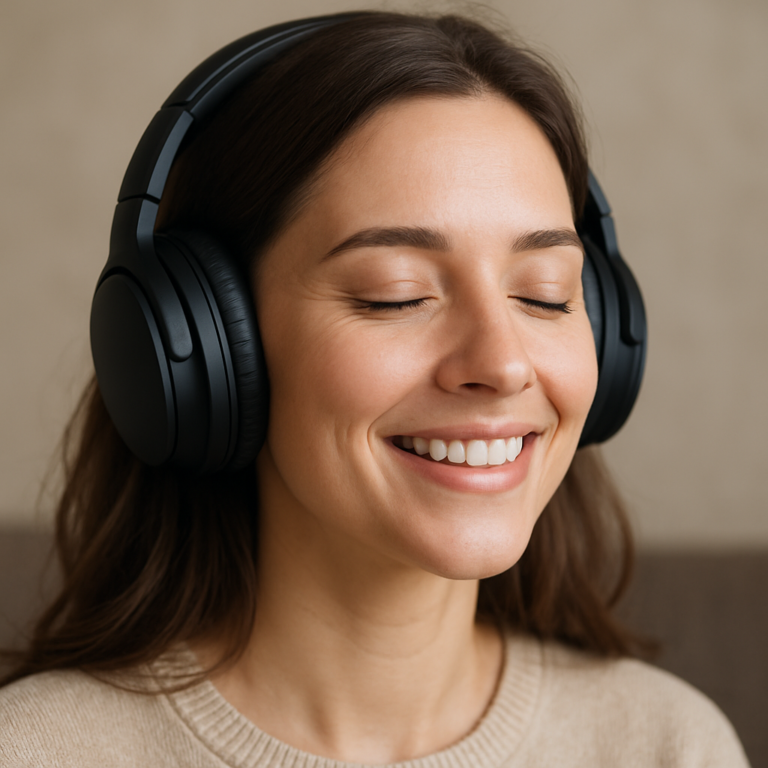
Over-ear headphones are usually better for comfort, noise isolation, and immersive listening; on-ear headphones are often lighter, cooler, and easier to carry. So, is on-ear or over-ear better? It depends on what matters most to you—and how each style actually fits your head and ears.
We’ve had listening sessions where a plush over-ear pair felt like a quiet room you could wear, and others where its warm earcups became less charming after a long commute. On-ear headphones can feel breezier, but their direct pressure on your ears may become uncomfortable over time. Fit can matter more than the label on the box.
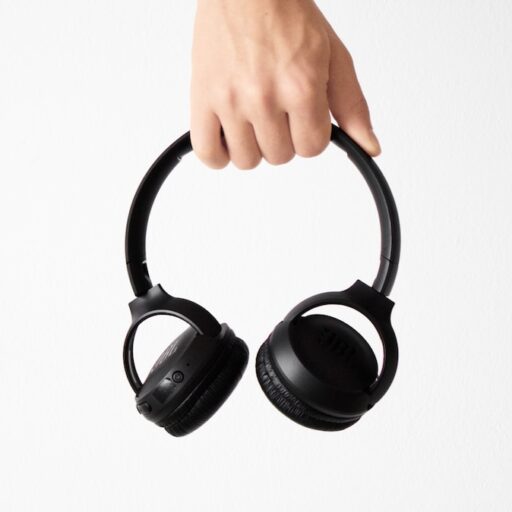
A quick distinction: over-ear earcups surround your ears, while on-ear pads rest against them. That difference influences comfort, portability, sound isolation, and how headphones behave in noisy places. We’ll compare the trade-offs so you can choose confidently rather than guess by appearance.
Key Takeaways
- Choose over-ear headphones for longer listening, stronger passive isolation, and a more enveloping fit—provided the earcups suit your ears.
- Choose on-ear headphones if you prefer a lighter, more compact design and don’t mind the pads resting directly on your ears.
- Neither style automatically sounds better. Driver tuning, fit, seal, and headphone design can matter more than whether the cups sit on or around your ears.
- Try for comfort before committing, especially if you wear glasses, feel pressure easily, or plan to use headphones for hours.
- Keep listening volume moderate with either style; a comfortable fit doesn’t make high volume safe.
Table of Contents
- ⚡️ Quick Tips and Facts: On-Ear vs. Over-Ear Headphones
- 🎧 Headphone Fit 101: How On-Ear and Over-Ear Designs Work
- What Are Over-Ear Headphones?
- What Are On-Ear Headphones?
- 🔍 On-Ear vs. Over-Ear Headphones: Key Differences at a Glance
- 🎵 Which Headphones Sound Better? Audio Quality Compared
- Bass, Soundstage, and Listening Detail
- Open-Back vs. Closed-Back Designs
- ☁️ Which Is More Comfortable for Long Listening Sessions?
- Glasses, Hair, and Headband Pressure
- Heat, Ear Contact, and Fit Adjustments
- 🧳 Which Headphone Style Is More Portable?
- Foldable Designs, Carry Cases, and Everyday Carry
- 🔇 Noise Isolation and Noise Cancellation: Which Works Better?
- Passive Isolation for Comuting and Work
- Active Noise Cancellation and Ambient Modes
- 🔋 Battery Life and Connectivity: What to Expect
- Wireless vs. Wired Headphones
- Bluetooth Codecs, Microphones, and Calls
- 💸 On-Ear vs. Over-Ear Headphone Price and Value
- 👂 Which Headphones Are Better for Your Ears?
- Safe Listening Volume and Listening Breaks
- Ear Cup Pressure, Hygiene, and Skin Sensitivity
- 🏃 Choosing Headphones for Your Lifestyle
- Best for Comuting and Travel
- Best for Working, Studying, and Video Calls
- Best for Gaming, Music, and Home Listening
- Best for Exercise and Outdoor Use
- 🛒 How to Choose the Right On-Ear or Over-Ear Headphones
- Fit, Clamp Force, and Ear Cup Size
- Build Quality, Materials, and Replaceable Parts
- Features Worth Prioritizing
- 🏆 Our Verdict: Which Headphone Style Should You Choose?
- Conclusion
- Recommended Links
- FAQ
- Which headphones are better, over-ear or on-ear?
- Do over-ear headphones sound better?
- Are on-ear headphones more portable?
- Which type is more comfortable for all-day wear?
- Which style is better for noise cancellation?
- Are on-ear or over-ear headphones safer for your ears?
- Reference Links
Table of Contents
- ⚡️ Quick Tips and Facts: On-Ear vs. Over-Ear Headphones
- 🎧 Headphone Fit 101: How On-Ear and Over-Ear Designs Work
- What Are Over-Ear Headphones?
- What Are On-Ear Headphones?
- 🔍 On-Ear vs. Over-Ear Headphones: Key Differences at a Glance
- 🎵 Which Headphones Sound Better? Audio Quality Compared
- Bass, Soundstage, and Listening Detail
- Open-Back vs. Closed-Back Designs
- ☁️ Which Is More Comfortable for Long Listening Sessions?
- Glasses, Hair, and Headband Pressure
- Heat, Ear Contact, and Fit Adjustments
- 🧳 Which Headphone Style Is More Portable?
- Foldable Designs, Carry Cases, and Everyday Carry
- 🔇 Noise Isolation and Noise Cancellation: Which Works Better?
- Passive Isolation for Comuting and Work
- Active Noise Cancellation and Ambient Modes
- 🔋 Battery Life and Connectivity: What to Expect
- Wireless vs. Wired Headphones
- Bluetooth Codecs, Microphones, and Calls
- 💸 On-Ear vs. Over-Ear Headphone Price and Value
- 👂 Which Headphones Are Better for Your Ears?
- Safe Listening Volume and Listening Breaks
- Ear Cup Pressure, Hygiene, and Skin Sensitivity
- 🏃 Choosing Headphones for Your Lifestyle
- Best for Comuting and Travel
- Best for Working, Studying, and Video Calls
- Best for Gaming, Music, and Home Listening
- Best for Exercise and Outdoor Use
- 🛒 How to Choose the Right On-Ear or Over-Ear Headphones
- Fit, Clamp Force, and Ear Cup Size
- Build Quality, Materials, and Replaceable Parts
- Features Worth Prioritizing
- 🏆 Our Verdict: Which Headphone Style Should You Choose?
- Conclusion
- Recommended Links
- FAQ
- Which headphones are better, over-ear or on-ear?
- Do over-ear headphones sound better?
- Are on-ear headphones more portable?
- Which style is more comfortable for all-day wear?
- Which style is better for noise cancellation?
- Are on-ear or over-ear headphones safer for your ears?
- Reference Links