Support our educational content for free when you purchase through links on our site. Learn more
🎧 Which Company Has Better Headphones? The 2026 Showdown

Which company has better headphones? It’s the question that has sparked more heated debates in online forums than a political election. Is it the tech-savy versatility of Sony, the German precision of Sennheiser, or the silence-inducing magic of Bose? We’ve all been there: staring at a wall of boxes, wondering if spending an extra $20 will actually make your favorite song sound like a live concert or just like a slightly louder version of the same thing.
Here at Headphone Brands™, we’ve spent years tearing apart drivers, measuring frequency responses, and sitting through countless hours of “critical listening” (which mostly involves noding sagely while listening to the same jazz track on repeat). We’ve seen the rise of Planar Magnetics, the fall of the “bass-heavy” trend, and the endless cycle of “new and improved” models that sometimes sound worse than their predecessors. Spoiler alert: There is no single winner. The “best” company depends entirely on whether you value noise cancellation for your commute, soundstage for your classical collection, or durability for your studio sessions.
In this comprehensive guide, we’re not just listing specs; we’re diving deep into the sonic DNA of the top 8 audio giants. We’ll reveal why that “new” Sennheiser model might actually be a step backward, how Focal is redefining wireless audio, and which brand offers the best value without breaking the bank. By the end, you’ll know exactly which company aligns with your ears, your budget, and your lifestyle.
Key Takeaways
- 🎯 The “Best” is Contextual: Sony dominates in features and ANC, Sennheiser leads in natural sound, and Bose reigns supreme for comfort and silence.
- 💸 Diminishing Returns: Moving from budget to mid-range yields massive sound improvements, but the jump to ultra-premium often offers marginal gains for the average listener.
- 🔌 Wired vs. Wireless: For purest fidelity, choose wired (Sennheiser, Beyerdynamic); for convenience and ANC, choose wireless (Sony, Bose, Focal).
- 🧱 Fit is King: The most expensive headphones will sound terrible if they don’t fit your head correctly; ergonomics are just as important as frequency response.
Ready to find your perfect match?
- 👉 Shop Wireless Leaders: Sony | Bose | Focal
- 👉 Shop Audiophile Classics: Sennheiser | Beyerdynamic | Audio-Technica
Table of Contents
- ⚡️ Quick Tips and Facts
- 📜 The Great Audio Wars: A Brief History of Headphone Rivalries
- 🏆 Top Contenders: Which Company Has Better Headphones?
- 1. Sony: The Tech Titan’s Versatile Masterpiece
- 2. Sennheiser: The German Engineering Gold Standard
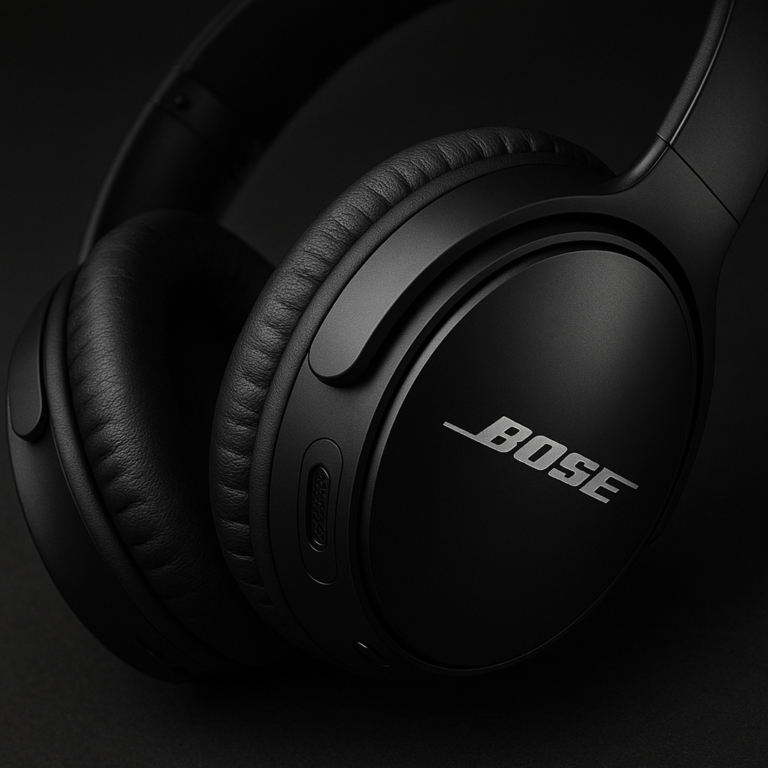
- 3. Bose: The Noise-Canceling Kings of Comfort
- 4. Audio-Technica: The Studio-Grade Workhorses
- 5. Beyerdynamic: The Durability Dynasty
- 6. Shure: The Vocal Clarity Specialists
- 7. Focal: The French High-Fidelity Dreamers
- 8. Bowers & Wilkins: The Luxury Sound Experience
- 🎧 Design and Ergonomics: Fit, Feel, and Long-Haul Comfort
- 🎚️ Frequency Response and Tonality: Decoding the Sound Signature
- Bass: The Rumble, The Punch, and The Sub-Boom
- Midrange: Where Vocals and Instruments Live
- Treble: Sparkle, Sibilance, and Air
- 🧠 Subjective Impressions: The “Vibe” Factor and Soundstage
- 🔌 Driver Technology: From Dynamic to Planar Magnetic
- 🔋 Battery Life, ANC, and Connectivity Showdown
- 💰 Value Proposition: Price vs. Performance Analysis
- 🏁 Final Comparison: Who Takes the Crown?
- ✅ What We Like vs. ❌ What We Don’t Like
- 🎓 Conclusion
- 🔗 Recommended Links
- 📚 Reference Links
⚡️ Quick Tips and Facts
Before we dive into the deep end of the audio ocean, let’s get the lowdown on what actually matters when you’re asking, “Which company has better headphones?” The answer isn’t a single name; it’s a context-dependent verdict.
Here is the Headphone Brands™ cheat sheet to navigating the chaos:
- 🎯 The “Best” is Subjective: A headphone that sounds warm and thumpy to a bass-head might sound muddy and lifeless to a classical audiophile. There is no universal “best,” only the “best for your ears.”
- 📉 Diminishing Returns: You can spend $50 or $5,0. The jump from $50 to $30 is massive. The jump from $1,0 to $5,0? Often marginal unless you have a high-end DAC/Amp and trained ears.
- 🔌 Wired vs. Wireless: If you want purest fidelity, go wired. If you want convenience and ANC, go wireless. Don’t expect a $40 Bluetooth pair to beat a $20 wired pair in raw detail.
- 🧱 Build Quality Matters: A great sound is useless if the headband snaps after six months. Durability is a silent spec sheet item.
- 🔊 The “Fit” Factor: The most expensive headphones in the world will sound terrible if they don’t seal properly on your head. Ergonomics are half the battle.
For a deeper dive into the ultimate showdown, check out our comprehensive guide: 🏆 Which Headphone Company Is Best? The 2026 Ultimate Showdown.
📜 The Great Audio Wars: A Brief History of Headphone Rivalries

To understand who makes the better headphones today, we have to look at where the battle lines were drawn. The history of audio is a saga of engineering philosophy clashing with consumer demand.
In the 1970s and 80s, the game was simple: Sennheiser and Beyerdynamic were the kings of the hill, building open-back, dynamic driver monsters for studio engineers. They were brutal, heavy, and sounded neutral.
Then came the 190s and 20s, and the world changed. Sony and Bose realized that people didn’t just want to listen to music; they wanted to escape the world. This birthed the Noise Canceling revolution. Suddenly, “better” meant “quieter.”
Fast forward to the 2010s and 2020s, and the Audiophile Renaissance hit. Brands like Focal, Audeze, and Hifiman brought Planar Magnetic technology to the masses, challenging the dominance of dynamic drivers. Meanwhile, Apple entered the fray, proving that ecosystem integration could sell headphones even if the sound wasn’t “reference” quality.
The Conflict:
- The Purists (Sennheiser, Audio-Technica, Beyerdynamic) argue that transparency and accuracy are king.
- The Innovators (Sony, Bose, Apple) argue that features, comfort, and convenience are the new metrics of quality.
- The Luxury Makers (Focal, Bowers & Wilkins) argue that materials and craftsmanship justify the price.
So, who wins? It depends on which war you’re fighting. Are you fighting for fidelity, silence, or style?
🏆 Top Contenders: Which Company Has Better Headphones?
Let’s break down the titans. We aren’t just listing names; we are dissecting their sonic DNA.
1. Sony: The Tech Titan’s Versatile Masterpiece
Sony is the Swiss Army Knife of audio. They dominate the consumer market with the WH-10XM series, offering industry-leading ANC and LDAC support.
- Sonic Signature: Generally V-shaped (boosted bass and treble) but highly customizable via their 8-band EQ.
- Best For: Commuters, Android users, and bass lovers who want features.
- The Catch: Their build quality can feel a bit plasticky compared to premium rivals, and the ear cups can be shallow for large ears.
2. Sennheiser: The German Engineering Gold Standard
Sennheiser is the gold standard for open-back listening. The HD 60/650 series has been the benchmark for two decades. However, as we saw in recent forum debates, their newer “S2” iterations have faced criticism for tonal recession in the midrange.
- Sonic Signature: Natural, detailed, and forward. The “Sennheiser sound” is often described as warm yet articulate.
- Best For: Critical listening, classical music, and studio mixing.
- The Catch: Most of their best models are wired only and require an amplifier.
3. Bose: The Noise-Canceling Kings of Comfort
If you hate noise, Bose is your savior. Their QuietComfort line is legendary for silencing the world.
- Sonic Signature: Smooth, balanced, and safe. They rarely offend, but they rarely excite with “sparkle.”
- Best For: Frequent flyers, office workers, and anyone prioritizing comfort and ANC.
- The Catch: Sound quality is “good” but not “great” compared to audiophile brands. The bass can sometimes feel a bit muddy.
4. Audio-Technica: The Studio-Grade Workhorses
Audio-Technica bridges the gap between professional studio gear and consumer fun. The M50x is a legend, and their Lansdowne series offers incredible value.
- Sonic Signature: Punchy, dynamic, and energetic. Great for rock, pop, and electronic music.
- Best For: DJs, producers, and bass-heavy listeners on a budget.
- The Catch: Their clamping force can be intense for long sessions, and the soundstage is often narrower than Sennheiser.
5. Beyerdynamic: The Durability Dynasty
German engineering at its most industrial. The DT 70 and DT 90 are practically indestructible.
- Sonic Signature: Bright (especially the 90) with deep bass (70). Very detailed but can be fatiguing if you have sensitive ears.
- Best For: Studio monitoring, gaming, and people who want headphones that last forever.
- The Catch: They are heavy, bulky, and often require a powerful amp to drive properly.
6. Shure: The Vocal Clarity Specialists
Shure made their name with microphones, and their headphones reflect that vocal focus. The SRH series is a favorite among podcasters and vocalists.
- Sonic Signature: Neutral, forward mids, and controlled bass.
- Best For: Podcasting, vocals, and critical listening where lyrics matter.
- The Catch: Can feel a bit dry or analytical for casual listeners who want “fun” sound.
7. Focal: The French High-Fidelity Dreamers
Focal brings luxury and magnesium drivers to the table. The Bathys is currently the king of wireless sound quality.
- Sonic Signature: Expansive, detailed, and fast. They have incredible transient response.
- Best For: Audiophiles who want wireless convenience without sacrificing fidelity.
- The Catch: Expensive. The Bathys MG pushes the $1,30 mark, which is a hard pill to swallow for many.
8. Bowers & Wilkins: The Luxury Sound Experience
B&W treats headphones like furniture. The Px8 is a masterpiece of carbon fiber and leather.
- Sonic Signature: Rich, warm, and musical. They prioritize emotional engagement over clinical accuracy.
- Best For: Luxury seekers, jazz/classical lovers, and style-conscious users.
- The Catch: Pricey, and the sound can be too warm for those who prefer analytical listening.
🎧 Design and Ergonomics: Fit, Feel, and Long-Haul Comfort
You can have the best sound in the world, but if your ears are sweating and your head is throbbing after 30 minutes, you won’t use them. Ergonomics are the silent killer of great headphones.
The Clamp Force Conundrum
- Too Tight: Brands like Audio-Technica and Beyerdynamic are notorious for high clamping force. Great for isolation, terrible for long sessions.
- Too Loose: Bose and Sony often lean towards a lighter clamp, which is great for comfort but can compromise bass response if the seal isn’t perfect.
Weight Distribution
- The Heavyweights: Apple AirPods Max (384g) and Bowers & Wilkins Px8 are beautiful but can cause neck fatigue.
- The Featherweights: Sony WH-10XM6 (254g) and Bose QC Ultra (260g) are designed for all-day wear.
Ear Cup Depth
- The “Ear Touch” Problem: Many users with large ears complain that the inner mesh of Sony headphones touches their ears, causing discomfort.
- The Solution: Focal Bathys and Bose generally offer deper cups, allowing ears to “float” without touching the drivers.
Pro Tip: If you wear glasses, look for headphones with soft, memory foam pads and a lower clamping force. Bose and Sennheiser (open-back) are usually the safest bets.
🎚️ Frequency Response and Tonality: Decoding the Sound Signature
This is where the magic happens. How do different companies tune their drivers? Let’s break it down by frequency.
Bass: The Rumble, The Punch, and The Sub-Boom
- Sony & Audio-Technica: Often boost the sub-bass (20-60Hz) for that thump. Great for EDM and Hip-Hop, but can bled into the mids, making vocals sound muddy.
- Sennheiser & Shure: Focus on mid-bass (60-20Hz) for punch and definition. The bass is there, but it doesn’t overwhelm the rest of the spectrum.
- Focal: Known for fast, tight bass. It hits hard and stops instantly, preventing muddiness.
Midrange: Where Vocals and Instruments Live
- The “Sennheiser Scop”: As noted in recent reviews of the HD 60S2, a dip in the 3-5 kHz range can make vocals sound distant or hollow. The classic HD 60/650 avoids this with a filled-out midrange.
- Bose & Apple: Tend to have a smooth, forward midrange. Vocals are clear and present, which is why they sound great for podcasts and pop music.
- Beyerdynamic: Can be bright in the upper mids, which adds clarity but can lead to sibilance (harsh “s” sounds) on bad recordings.
Treble: Sparkle, Sibilance, and Air
- The “Air” Factor: Focal and Hifiman excel here, providing a sense of space and detail that makes cymbals sound shimmering.
- The “Safe” Zone: Bose and Sony often roll off the extreme treble to avoid fatigue. This makes them great for long listening sessions but can sound lacking in detail to audiophiles.
- The “Harsh” Zone: Some Beyerdynamic models and older Sennheiser tunings can be grating in the 8-12 kHz range.
🧠 Subjective Impressions: The “Vibe” Factor and Soundstage
Sound isn’t just about frequency response; it’s about how it feels.
Soundstage: The Illusion of Space
- Open-Back Kings: Sennheiser and Beyerdynamic (DT 90) offer a wide, open soundstage. Instruments feel like they are outside your head.
- Closed-Back Struggles: Most closed-back headphones (Sony, Bose, Focal Bathys) have a narrower, more intimate soundstage. You feel like you are inside the band.
- The Exception: The Focal Bathys uses advanced DSP to create a surprisingly wide soundstage for a closed-back wireless headphone.
Imaging: Pinpointing the Source
- Precision: Sennheiser and Shure are masters of imaging. You can easily tell exactly where a guitar or snare drum is located in the mix.
- Blur: Cheaper or heavily bass-boosted headphones can blur the imaging, making the mix sound like a wall of sound.
The “Vibe”
- Warm & Cozy: Bowers & Wilkins and Bose create a relaxed, musical vibe.
- Analytical & Clinical: Shure and Beyerdynamic feel like you are in a control room.
- Fun & Energetic: Sony and Audio-Technica get your head bobing.
🔌 Driver Technology: From Dynamic to Planar Magnetic
What’s inside the cup matters.
| Driver Type | Pros | Cons | Best Brands |
|---|---|---|---|
| Dynamic Driver | Punchy bass, affordable, robust | Can lack detail in highs, smaller soundstage | Sony, Bose, Sennheiser, Audio-Technica |
| Planar Magnetic | Fast transient response, detailed, wide soundstage | Heavy, requires more power, expensive | Audeze, Hifiman, Focal (some models) |
| Electrostatic | Ultimate detail, airy, effortless | Requires massive amp, fragile, very expensive | Stax, Sennheiser (Orpheus) |
The Verdict: For most people, Dynamic Drivers are the sweet spot. Planar Magnetics are for those who want maximum detail and have the power to drive them.
🔋 Battery Life, ANC, and Connectivity Showdown
In the wireless era, features are just as important as sound.
Battery Life
- Champions: Nothing Headphone (1) (35h), Sony (30h+), Bose (24-30h).
- Laggards: Apple AirPods Max (20h) and Focal Bathys (30h but heavy).
- Note: ANC always drains battery faster.
Active Noise Cancellation (ANC)
- The King: Bose QuietComfort Ultra consistently tops charts for silencing low-frequency rumble (planes, trains).
- The Runner Up: Sony WH-10XM6 is a close second, with better adaptive features.
- The Surprise: Nothing Headphone (1) offers decent ANC for the price, but it’s not in the same league as Bose or Sony.
Connectivity & Codecs
- LDAC: Sony and Nothing support LDAC for high-res audio on Android.
- aptX Adaptive: Bose and Focal use this for a balance of quality and stability.
- AAC: Apple and Samsung rely on AAC, which is good but not as high-res as LDAC.
- Multipoint: Essential for switching between phone and laptop. Sony, Bose, and Focal all support this well.
💰 Value Proposition: Price vs. Performance Analysis
Is the Focal Bathys MG worth $1,30? Is the Sennheiser HD 60 still the best value at $350?
- Budget (<$20): Audio-Technica M20x/M40x and Sony WH-CH720N offer 90% of the performance for 20% of the price.
- Mid-Range ($30-$60): Sony WH-10XM5 and Sennheiser HD 560S are the sweet spots. You get excellent sound and features without breaking the bank.
- High-End ($80+): Focal Bathys and Bowers & Wilkins Px8 offer luxury and marginal gains in sound quality. You are paying for materials, brand prestige, and diminishing returns.
The “Drop x Sennheiser” Lesson: As discussed in the HD 60S2 controversy, sometimes a rebranded version of an older driver (like the Drop x Sennheiser HD 58x Jubilee) offers identical sound for half the price. Always check if a “new” model is just a marketing gimmick.
🏁 Final Comparison: Who Takes the Crown?
So, who wins the war?
- For Pure Sound Quality (Wired): Sennheiser HD 60/650 (if you can find the original) or Focal Elex.
- For Pure Sound Quality (Wireless): Focal Bathys MG.
- For Noise Cancellation: Bose QuietComfort Ultra.
- For Features & Value: Sony WH-10XM6 or Nothing Headphone (1).
- For Durability: Beyerdynamic DT 70 Pro.
- For Comfort: Bose QuietComfort Ultra.
The Verdict: There is no single “best.” If you value silence, choose Bose. If you value fidelity, choose Sennheiser or Focal. If you value features, choose Sony.
✅ What We Like vs. ❌ What We Don’t Like
🎧 Sony WH-10XM6
- ✅ What We Like: Incredible ANC, 8-band EQ, LDAC support, lightweight, great battery.
- ❌ What We Don’t Like: Shallow ear cups, plasticky build, no passive mode.
🎧 Bose QuietComfort Ultra
- ✅ What We Like: Best-in-class ANC, supreme comfort, Imersive Audio mode, foldable.
- ❌ What We Don’t Like: Muddy bass, no LDAC, expensive, limited EQ.
🎧 Focal Bathys MG
- ✅ What We Like: Stunning sound quality, premium build, two sound profiles, excellent battery.
- ❌ What We Don’t Like: Insane price, no LDAC, no passive mode, heavy.
🎧 Sennheiser HD 60/650
- ✅ What We Like: Natural sound, excellent imaging, replaceable parts, classic design.
- ❌ What We Don’t Like: Wired only, requires amp, clamping force, no ANC.
🎓 Conclusion

The question “Which company has better headphones?” is a trap if you’re looking for a single answer. The audio world is a spectrum, not a hierarchy.
- If you are a commuter who needs silence, Bose is your champion.
- If you are an audiophile who wants truth, Sennheiser (the classics) or Focal are your allies.
- If you are a tech enthusiast who wants features, Sony or Nothing are the way to go.
The Final Word: Don’t let the price tag fool you. The best headphones are the ones that fit your head, match your music taste, and fit your budget. Whether you choose the warmth of Bowers & Wilkins, the precision of Shure, or the versatility of Sony, the goal is the same: Listen in Style.
So, what are you waiting for? Plug in, press play, and let the music take over.
🔗 Recommended Links
Ready to upgrade your audio game? Check out our top picks for every budget and need.
👉 Shop Top Wireless Headphones:
- Sony WH-10XM6: Amazon | Best Buy | Sony Official
- Bose QuietComfort Ultra: Amazon | Bose Official
- Focal Bathys: Amazon | Focal Official
👉 Shop Audiophile Wired Headphones:
- Sennheiser HD 60/650: Amazon | Sennheiser Official
- Beyerdynamic DT 70 Pro: Amazon | Sweetwater
Explore Categories:
Books to Deepen Your Knowledge:
📚 Reference Links
- Sennheiser HD 60S2 vs HD 60/650 Forum Discussion
- Focal Bathys MG Review
- Quora: Which headphones are better? Sony or JBL?
- Sennheiser Official Website
- Sony Official Website
- Bose Official Website
- Focal Official Website
- Audio-Technica Official Website
- Beyerdynamic Official Website
- Shure Official Website
- Bowers & Wilkins Official Website
FAQ

What are the number 1 rated headphones?
There is no single “number 1” because ratings depend on the category.
- Best Overall Wireless: Sony WH-10XM6 (for features) or Focal Bathys (for sound).
- Best Wired: Sennheiser HD 60 (for value) or Focal Utopia (for ultimate fidelity).
- Best ANC: Bose QuietComfort Ultra.
- Why the difference? Reviewers prioritize different things: some value bass, others clarity, and others comfort.
Read more about “🎧 How to Choose Wireless Bluetooth Headphones: The 2026 Ultimate Guide”
Which headphone brand has the best sound quality?
If we are talking about pure audio fidelity (ignoring wireless limitations), Sennheiser, Focal, and Audeze are the leaders.
- Sennheiser offers the most natural and balanced sound.
- Focal offers the most detailed and fast sound.
- Audeze offers the most immersive and bass-heavy sound (Planar Magnetic).
- Note: In the wireless category, Focal Bathys currently holds the crown for sound quality, beating out Sony and Bose.
Read more about “🎧 7 Top Headphone Brands with Modular & Upgradeable Hardware (2026)”
Are Sony or Bose headphones better for noise cancellation?
Bose is generally considered the king of ANC. Their technology is slightly better at silencing low-frequency rumbles (like airplane engines).
- Bose QuietComfort Ultra: Best for pure silence.
- Sony WH-10XM6: A very close second, with better adaptive features and sound quality.
- Verdict: If silence is your only goal, pick Bose. If you want silence + great sound, pick Sony.
Read more about “🎧 12 Wireless Headphone Brands Compared (2026)”
Which company makes the most durable headphones?
Beyerdynamic is the undisputed champion of durability. Their DT 70 Pro and DT 90 Pro are built like tanks and can survive years of studio abuse.
- Sennheiser (HD 60 series) is also very durable, with replaceable parts.
- Sony and Bose use more plastic and hinges that can break over time, though they are generally reliable for consumer use.
Read more about “🎧 15 Best Bluetooth Headphones Under $10 (2026)”
Do Apple AirPods Max sound better than Samsung Galaxy Buds?
This is a category mismatch.
- AirPods Max are over-ear headphones with dynamic drivers. They offer a wide soundstage and rich bass.
- Samsung Galaxy Buds are in-ear earbuds. They are portable and convenient but cannot match the soundstage or bass depth of over-ear headphones.
- Comparison: If you compare AirPods Max to Samsung Galaxy Buds Pro (over-ear), the AirPods Max generally win on sound quality and build, but the Buds win on portability and price.
- Note: AirPods Max lack EQ customization, while Samsung offers EQ in their app.
Why do some headphones sound “muddy”?
“Muddy” sound usually comes from excessive bass bleeding into the midrange or a lack of clarity in the upper mids.
- Causes: Poor driver tuning, bad fit (leaking bass), or low-quality recordings.
- Fix: Try EQ to cut the bass or choose a brand with a flatter response like Sennheiser or Shure.
Read more about “🎧 7 Best Headphone Brands for Vinyl Listening & Analog Setups (2026)”
Can I use wired headphones with my phone?
Yes, but you may need an adapter (USB-C to 3.5mm or Lightning to 3.5mm).
- Tip: For the best sound, use a portable DAC/Amp (like the iBasso DC03 or FiiO KA13) to power high-impedance headphones.
- Wireless Alternative: Many modern phones lack a 3.5mm jack, making Bluetooth the only option for many users.
Read more about “🛠️ 10 Headphone Brands Built to Last & Repair (2026)”
What is the difference between “Open-Back” and “Closed-Back”?
- Open-Back: Sound leaks in and out. Wider soundstage, more natural sound, but no isolation. Best for home listening. (e.g., Sennheiser HD 60).
- Closed-Back: Sound is contained. Better isolation, more bass, but narrower soundstage. Best for commuting or studios. (e.g., Sony WH-10XM6).
Read more about “🤫 7 Best Headphones to Stop Sound Leakage (2026)”
Do expensive headphones sound better?
Generally, yes, but with diminishing returns.
- $50 to $30: Huge improvement in sound quality.
- $30 to $1,0: Noticeable improvement in detail and build.
- $1,0 to $5,0: Marginal improvement. You are paying for luxury materials, brand prestige, and extreme detail that only trained ears can hear.
- Rule of Thumb: Spend what you can afford, but don’t expect a $5,0 headphone to sound 10x better than a $50 one.
Read more about “🐉 10 Emerging Chi-Fi Brands Crushing It for Budget Audiophiles (2026)”