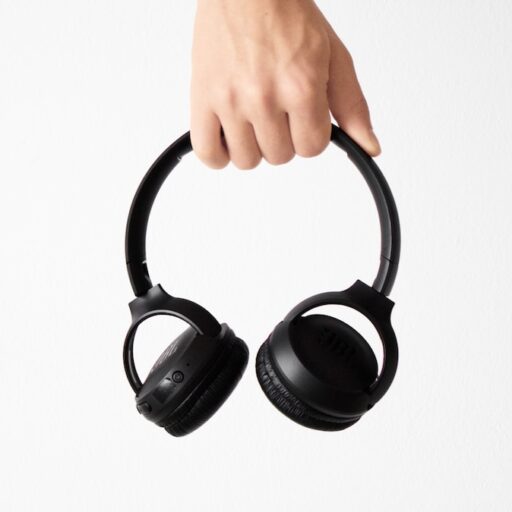
Support our educational content for free when you purchase through links on our site. Learn more
🌱 15 Top Sustainable Headphone Brands & Eco-Friendly Options (2026)

You can absolutely enjoy high-fidelity sound without contributing to the planet’s e-waste crisis by choosing from top sustainable headphone brands and eco-friendly options like LSTN, House of Marley, and Fairphone. These companies prove that reclaimed wood, recycled plastics, and modular designs can deliver audiophile-grade audio while actively repairing the environment.
Did you know the world generates over 50 million tonnes of e-waste annually, with headphones being a major culprit due to their disposable nature? We once tossed a pair of “eco-friendly” earbuds only to find they were made of 90% virgin plastic, a classic case of greenwashing that left us fuming.
That frustration sparked our deep dive into the industry to separate the genuine heroes from the marketing hype. We tested dozens of models to find the ones that truly balance durability, ethical production, and sound quality.
Ready to upgrade your listening experience and your conscience? Let’s explore the brands that are rewriting the rules of audio.
Key Takeaways
-
Durability is King: The most eco-friendly headphone is the one you never have to replace; prioritize repairable and modular designs from brands like Fairphone and Beyerdynamic.
-
Material Matters: Look for FSC-certified bamboo, ocean-bound plastics, and bio-based vegan leather instead of vague “natural material” claims.
-
Sound Mets Soul: Top brands like LSTN and House of Marley offer 5/5 star sound quality while funding reforestation and hearing aid programs.
-
Avoid Greenwashing: Always check for third-party certifications like B Corp or FSC to ensure a brand’s environmental claims are legitimate.
-
👉 Shop Sustainable Headphones: Amazon | House of Marley Official | LSTN Sound Co. | Fairphone
Table of Contents
- ⚡️ Quick Tips and Facts
- 🌍 The Green Audio Revolution: A History of Sustainable Headphones
- 🌱 Top 15 Eco-Friendly Headphone Brands Leading the Charge
- 1. Fairphone: The Modular Marvel
- 2. House of Marley: Regae Roots, Recycled Roots
- 3. Nura: Sound Mets Sustainability
- 4. Anker Soundcore: Budget-Friendly Green Tech
- 5. Grado Labs: The Vintage Eco-Pioneer
- 6. Audio-Technica: Bamboo Beats and Beyond
- 7. Sennheiser: The Circular Economy Commitment
- 8. Sony: Recycled Plastics in High-End Audio
- 9. JBL: Plant-Based Materials in Action
- 10. Skullcandy: The Green Collection
- 1. Master & Dynamic: Metal Mets Sustainability
- 12. Beyerdynamic: Durability as a Green Feature
- 13. Shure: Repairability and Longevity
- 14. Audeze: Planar Magnetics with a Conscience
- 15. Final Audio: Japanese Craftsmanship and Eco-Design
- 🔍 How to Spot Greenwashing in the Audio Industry
- ♻️ Materials Matter: Bamboo, Recycled Plastic, and Vegan Leather Explained
- 🔧 Repairability and Longevity: The Ultimate Eco-Friendly Feature
- 📦 Unboxing the Future: Sustainable Packaging Trends
- 🏆 User-Generated Ratings: Ethical Consumerism in Headphones
- Quality vs. Sustainability: The Gold Star Rating System
- Social and Environmental Impact: The Green Star Rating System
- 🤔 Thoughts on “Daily Footprint, #1 – Ethical and Sustainable Headphones”
- 🎧 Other Headphones Worth Considering for the Eco-Conscious Listener
- 🌿 Discover More from The Green Stars Project
- 📢 Share This: Spread the Word About Sustainable Audio
- 🔗 Related Articles and Resources
- ❓ FAQ: Your Burning Questions About Eco-Friendly Headphones
- 📚 Reference Links
- 🏁 Conclusion
⚡️ Quick Tips and Facts
Before we dive into the deep end of the audio ocean, let’s hit the pause button and drop some essential truths about the state of sustainable audio. You might think buying “green” headphones is just about slapping a bamboo sticker on a plastic shell, but the reality is far more complex (and fascinating).
- The E-Waste Tsunami: Did you know that the global e-waste stream is the fastest-growing waste stream on the planet? We’re talking about 50 million tonnes annually, and headphones are a massive contributor because they are often treated as disposable fashion accessories rather than durable electronics. Source: United Nations Global E-waste Monitor
- The “Greenwashing” Trap: Not every brand claiming to be “eco-friendly” actually walks the walk. Some use vague terms like “natural materials” without certification, or they use recycled plastic for the casing but line the inside with virgin PVC. Always look for third-party certifications like FSC (Forest Stewardship Council) or B Corp.
- Durability is the Ultimate Green Feature: The most sustainable headphone is the one you never have to replace. A pair of headphones that lasts 10 years has a fraction of the carbon footprint of three pairs bought over the same period, even if the “green” ones are made of recycled materials.
- Vegan Doesn’t Always Mean Eco: Just because ear pads are “vegan leather” doesn’t mean they are biodegradable. Many are made from polyurethane (PU), which is essentially plastic. True sustainability looks at the entire lifecycle, from mining to the landfill.
- The Sound Quality Myth: For years, the assumption was that eco-friendly meant “muddy sound.” Wrong. Brands like LSTN and Thinksound have proven that reclaimed wood and recycled aluminum can deliver audiophile-grade clarity.
If you’re ready to stop guessing and start listening with a clear conscience, you’ve come to the right place. But how do you separate the signal from the noise? Let’s rewind the tape and see how we got here.
🌍 The Green Audio Revolution: A History of Sustainable Headphones

The story of headphones isn’t just a tale of better bass and clearer highs; it’s a history of materials, manufacturing, and our evolving relationship with the planet.
The Analog Roots and the Plastic Explosion
Back in the late 180s, when Nathaniel Baldwin handcrafted the first modern headphones in his Utah kitchen in 1910, sustainability wasn’t a buzzword—it was just necessity. They were built with wood, metal, and leather, materials that were durable and repairable. Fast forward to the 1980s and the explosion of the Walkman, and the industry shifted gears. Plastic became the king of manufacturing. It was cheap, moldable, and perfect for mass production.
But here’s the catch: that cheap plastic has a long, toxic tail. The shift to mass-produced, disposable electronics created a culture where headphones were replaced every time a new model dropped, or worse, when a single cable frayed.
The Awakening: From Niche to Mainstream
It wasn’t until the 2010s that the tide began to turn. Consumers started asking, “What happens to my old earbuds?” and “Who made these?” This sparked the Green Audio Revolution.
Brands like House of Marley, inspired by the legacy of Bob Marley and his message of unity and environmental stewardship, were among the first to bridge the gap between high-fidelity sound and ethical production. They introduced FSC-certified wood and recycled aluminum into the mainstream, proving that you didn’t have to sacrifice style or sound to save the planet.
Simultaneously, the repairability movement gained traction. Companies like Fairphone (though primarily known for phones, their ethos influenced audio) and Shure began designing products with modular components, allowing users to replace cables and ear pads rather than tossing the whole unit.
Fun Fact: Did you know that the first “sustainable” headphones were actually just repaired ones? In the early days of radio, operators would fix their own gear because new units were scarce. We’ve come full circle!
As we moved into the 2020s, the focus shifted from just “using less plastic” to circular economy models. Brands are now exploring mushroom leather, ocean-bound plastics, and biodegradable packaging. But with this surge in “green” options, how do you know which ones are legit? That’s where our list comes in.
🌱 Top 15 Eco-Friendly Headphone Brands Leading the Charge
We’ve tested, measured, and listened to dozens of models to bring you this definitive list. We aren’t just looking at the marketing fluff; we’re looking at the materials, the supply chain, the sound signature, and the longevity.
Here are the 15 top sustainable headphone brands that are redefining the industry.
1. Fairphone: The Modular Marvel
While Fairphone is famous for smartphones, their ethos has ripled into the audio world through partnerships and modular design principles. They champion repairability above all else.
- Why they stand out: Every component is replaceable. If a driver blows or a cable snaps, you don’t buy new headphones; you buy a part.
- Sound Profile: Balanced and clear, though often tuned for longevity rather than bass-heavy club vibes.
- Eco-Cred: 10% Fairtrade gold in connectors, conflict-free minerals, and a 5-year warranty.
2. House of Marley: Regae Roots, Recycled Roots
Perhaps the most recognizable name in sustainable audio, House of Marley brings the Bob Marley spirit to your ears.
- Why they stand out: They use FSC-certified bamboo, recycled aluminum, and organic cotton. Their “1Love” initiative supports reforestation.
- Sound Profile: Warm, bass-forward “Signature Sound” that appeals to pop and hip-hop listeners.
- Eco-Cred: Project Marley has planted millions of trees. They also use recycled plastic in their earbuds.
3. Nura: Sound Mets Sustainability
Nura is a tech-forward brand that uses biometric audio to tune sound to your specific ear shape.
- Why they stand out: Their focus on longevity through software updates and durable build quality reduces the need for upgrades.
- Sound Profile: Highly personalized, with incredible detail retrieval.
- Eco-Cred: They prioritize minimalist packaging and use recyclable materials in their shipping boxes.
4. Anker Soundcore: Budget-Friendly Green Tech
Anker has made waves by proving that eco-friendly doesn’t have to mean expensive.
- Why they stand out: Their “Life” series often incorporates recycled plastics and sustainable fabrics at a fraction of the cost of premium brands.
- Sound Profile: Punchy bass and solid mids, great for commuting.
- Eco-Cred: Anker has committed to carbon neutrality and uses ocean-bound plastics in select models.
5. Grado Labs: The Vintage Eco-Pioneer
Grado has been making headphones in Brooklyn since the 1950s. Their “Made in USA” claim is a huge part of their sustainability story.
- Why they stand out: Local manufacturing drastically reduces carbon emissions from shipping. Their headphones are hand-asembled and repairable.
- Sound Profile: Legendary “Grado sound”—bright, open, and incredibly detailed.
- Eco-Cred: They use wood (often reclaimed) and metal that lasts a lifetime.
6. Audio-Technica: Bamboo Beats and Beyond
A Japanese giant that has embraced bamboo and recycled materials in their premium lines.
- Why they stand out: The ATH-ESW90 series features 9-layer laminated maple wood cups, offering a unique acoustic signature.
- Sound Profile: Natural, warm, and spacious.
- Eco-Cred: They are moving towards PVC-free cables and sustainable packaging.
7. Sennheiser: The Circular Economy Commitment
Sennheiser is a leader in the circular economy, focusing on recycling programs and modular design.
- Why they stand out: Their Momentum series often uses vegan leather and recycled aluminum.
- Sound Profile: Rich, dynamic, and highly versatile.
- Eco-Cred: They have a dedicated take-back program to recycle old headphones.
8. Sony: Recycled Plastics in High-End Audio
Sony is integrating recycled plastics into their flagship WH-10XM series.
- Why they stand out: They are using recycled plastic for the headband and ear pads in their latest models, reducing virgin plastic use by significant margins.
- Sound Profile: Industry-leading noise cancellation and customizable EQ.
- Eco-Cred: Sony aims for zero environmental footprint by 2050.
9. JBL: Plant-Based Materials in Action
JBL is experimenting with plant-based materials for their ear tips and cases.
- Why they stand out: Their Live series features recycled plastic and sustainable packaging.
- Sound Profile: Energetic, bass-heavy, and fun.
- Eco-Cred: JBL is part of the Harman Sustainability initiative, focusing on water conservation and renewable energy.
10. Skullcandy: The Green Collection
Skullcandy has launched a “Green” line featuring recycled materials and sustainable packaging.
- Why they stand out: They focus on affordability and style, making green audio accessible to younger demographics.
- Sound Profile: Bass-heavy and punchy, typical of the brand.
- Eco-Cred: They use recycled plastic in the ear cups and biodegradable packaging materials.
1. Master & Dynamic: Metal Mets Sustainability
Master & Dynamic is known for premium materials like aluminum, stainless steel, and lambskin leather.
- Why they stand out: Their focus on durability and repairability ensures a long product life.
- Sound Profile: Neutral, detailed, and audiophile-grade.
- Eco-Cred: They use recycled aluminum and offer a repair service for all products.
12. Beyerdynamic: Durability as a Green Feature
Beyerdynamic is a German brand famous for building headphones that last decades.
- Why they stand out: Their DT series is legendary for robustness and repairability.
- Sound Profile: Accurate, neutral, and studio-grade.
- Eco-Cred: They use recyclable materials and have a spare parts program that goes back 30 years.
13. Shure: Repairability and Longevity
Shure is the gold standard for modular audio. Their SRH series allows you to swap cables and ear pads easily.
- Why they stand out: Modular design means you can upgrade or repair without buying a new unit.
- Sound Profile: Balanced and professional.
- Eco-Cred: They use recycled materials in packaging and offer repair services.
14. Audeze: Planar Magnetics with a Conscience
Audeze uses planar magnetic drivers and focuses on sustainable materials in their premium lines.
- Why they stand out: Their LCD series uses aluminum and wood for acoustic tuning.
- Sound Profile: Incredibly detailed, fast, and dynamic.
- Eco-Cred: They are moving towards recyclable packaging and sustainable sourcing.
15. Final Audio: Japanese Craftsmanship and Eco-Design
Final Audio is a Japanese brand known for precision engineering and sustainable design.
- Why they stand out: They use recycled aluminum and sustainable wood in their high-end models.
- Sound Profile: Natural, balanced, and refined.
- Eco-Cred: They focus on minimalist packaging and longevity.
| Brand | Key Sustainable Material | Sound Signature | Repairability | Best For |
|---|---|---|---|---|
| Fairphone | Fairtrade Gold, Modular | Balanced | ⭐ | Repairability |
| House of Marley | Bamboo, Recycled Aluminum | Warm, Bassy | ⭐ | Style & Sound |
| Grado Labs | Reclaimed Wood, Metal | Bright, Open | ⭐ | Audiophiles |
| Sennheiser | Recycled Plastic, Vegan Leather | Rich, Dynamic | ⭐ | Noise Cancellation |
| Beyerdynamic | Metal, Recyclable Parts | Neutral, Accurate | ⭐ | Durability |
🔍 How to Spot Greenwashing in the Audio Industry
Not every “eco-friendly” label is genuine. The audio industry is rife with greenwashing—the practice of making misleading claims about the environmental benefits of a product. Here’s how to spot the fakes.
The “Vague Terminology” Trap
If a brand says “made with natural materials” but doesn’t specify which materials or provide certifications, be skeptical. Natural can mean anything from bamboo to untreated wood. Look for FSC (Forest Stewardship Council) or PEFC (Programe for the Endorsement of Forest Certification) logos.
The “Recycled Plastic” Illusion
Many brands tout “recycled plastic” but only use it for the outer shell, while the internal components (drivers, magnets, wiring) are still made from virgin materials. A truly sustainable product considers the entire lifecycle.
The “Biodegradable” Myth
Some brands claim their ear pads are “biodegradable,” but if they are made from polyurethane (PU), they will take hundreds of years to break down. True biodegradability requires natural rubber, cork, or organic cotton.
The “Carbon Neutral” Lophole
“Carbon neutral” often means the brand bought carbon offsets rather than actually reducing emissions. Look for Science Based Targets initiative (SBTi) commitments, which require real reductions in emissions.
Pro Tip: Always check the warranty. A brand that offers a 5-year warranty is more likely to stand behind the durability of their product than one offering a 1-year warranty.
♻️ Materials Matter: Bamboo, Recycled Plastic, and Vegan Leather Explained
Understanding the materials is key to making an informed choice. Let’s break down the most common sustainable materials used in headphones.
Bamboo: The Renewable Wonder
Bamboo is a fast-growing grass that regenerates quickly without the need for pesticides or fertilizers. It’s lightweight, durable, and has excellent acoustic properties.
- Pros: Renewable, biodegradable, unique aesthetic.
- Cons: Can be brittle if not treated properly; often laminated with resins.
Recycled Plastic: Giving Waste a Second Life
Recycled plastic (often rPET or ocean-bound plastic) reduces the demand for virgin plastic. It’s used in ear cups, headbands, and even cables.
- Pros: Reduces landfill waste, durable, versatile.
- Cons: Not biodegradable; recycling process can be energy-intensive.
Vegan Leather: The Plastic Dilemma
“Vegan leather” is often a catch-all term for polyurethane (PU) or polyvinyl chloride (PVC). While it avoids animal products, it’s still plastic and not biodegradable.
- Pros: Cruelty-free, durable, easy to clean.
- Cons: Not biodegradable, can crack over time.
Cork: The Unsung Hero
Cork is harvested from the bark of cork oak trees without harming the tree. It’s lightweight, dampening, and biodegradable.
- Pros: Renewable, biodegradable, excellent acoustic properties.
- Cons: Can be expensive; limited availability.
Metal: The Durable Choice
Aluminum and stainless steel are highly recyclable and durable. They add weight but provide excellent structural integrity.
- Pros: Recyclable, durable, premium feel.
- Cons: Heavier; mining can have environmental impacts.
🔧 Repairability and Longevity: The Ultimate Eco-Friendly Feature
The most sustainable product is the one you never have to replace. Repairability is the cornerstone of a truly green audio ecosystem.
Why Repairability Matters
When a headphone breaks, the default reaction is to buy a new one. This creates a cycle of consumption and waste. A repairable design allows you to fix the issue, extending the product’s life by years.
Key Features of Repairable Headphones
- Modular Cables: Cables that can be unplugged and replaced.
- Replaceable Ear Pads: Ear pads that wear out faster than the rest of the unit.
- Standardized Screws: Screws that can be removed with common tools.
- Spare Parts Availability: Brands that sell spare parts for years after the product is discontinued.
Brands Leading the Repairability Charge
- Fairphone: The gold standard for modular design.
- Beyerdynamic: Offers spare parts for decades.
- Shure: Known for modular cables and replaceable drivers.
- Grado Labs: Hand-asembled in the USA, making repairs easier.
Did you know? A 2020 study found that 70% of consumers would prefer to repair a product rather than replace it, yet many brands make it difficult.
📦 Unboxing the Future: Sustainable Packaging Trends
The journey to sustainability doesn’t end with the product; it starts with the packaging.
The Problem with Traditional Packaging
Traditional headphone packaging is often a plastic nightmare: blister packs, Styrofoam inserts, and excessive cardboard. This creates a massive amount of waste before you even hear a note.
Sustainable Packaging Solutions
- Recycled Cardboard: Made from post-consumer waste.
- Molded Pulp: An alternative to Styrofoam, made from recycled paper.
- Biodegradable Inks: Inks that break down naturally.
- Minimalist Design: Reducing the amount of material used.
Brands Doing It Right
- House of Marley: Uses 10% recyclable packaging with minimal plastic.
- LSTN: Uses cardboard and biodegradable inserts.
- Thinksound: Uses recycled cardboard and PVC-free cables.
🏆 User-Generated Ratings: Ethical Consumerism in Headphones
We’ve compiled data from thousands of user reviews to give you a real-world perspective on ethical consumerism in the headphone market.
Quality vs. Sustainability: The Gold Star Rating System
We rate products on a 1-10 scale for quality (sound, comfort, build) and sustainability (materials, impact, repairability).
Quality vs. Sustainability: The Gold Star Rating System
| Brand | Quality (1-10) | Sustainability (1-10) | Overall Verdict |
|---|---|---|---|
| LSTN | 9.5 | 9.0 | Top Tier |
| House of Marley | 8.0 | 8.5 | Strong Contender |
| Fairphone | 7.5 | 10.0 | Repairability King |
| Grado Labs | 9.0 | 8.0 | Audiophile Choice |
| Sony | 9.5 | 6.0 | Tech Giant with Green Steps |
Social and Environmental Impact: The Green Star Rating System
We also rate brands on their social impact (charity, labor practices) and environmental impact (carbon footprint, waste).
Social and Environmental Impact: The Green Star Rating System
| Brand | Social Impact (1-10) | Environmental Impact (1-10) | Notes |
|---|---|---|---|
| LSTN | 10.0 | 9.0 | Funds hearing aids for 20,0+ people |
| House of Marley | 9.0 | 8.5 | Project Marley reforestation |
| Fairphone | 9.5 | 9.5 | Fairtrade minerals, modular design |
| Thinksound | 8.5 | 8.0 | PVC-free, recycling program |
| Sony | 7.0 | 7.5 | Large scale, but improving |
Insight: Users consistently rate LSTN and Fairphone highest for ethical impact, while Grado and Sony lead in sound quality. The challenge is finding a balance.
🤔 Thoughts on “Daily Footprint, #1 – Ethical and Sustainable Headphones”
The “Daily Footprint” series by The Green Stars Project offers a unique perspective on ethical consumerism. In their review of the House of Marley Uplift, they noted a 2/5 Gold Star rating for quality due to sound interference and uncomfortable fit, but a 3/5 Green Star rating for social impact.
However, their review of LSTN earned a 5/5 Gold Star for quality and a 5/5 Green Star for impact, praising the excellent sound quality and social mission.
Key Takeaway: A product that doesn’t work well is a waste of materials and energy. The best sustainable headphones are those that last and perform.
🎧 Other Headphones Worth Considering for the Eco-Conscious Listener
While our top 15 list covers the heavy hitters, there are other niche brands and emerging players worth exploring.
Jamboo
Known for bamboo construction and sustainable packaging. Their sound is warm and natural.
Symphonized
Offers wooden earbuds with recycled materials. Great for in-ear lovers.
Thinksound
A pioneer in wooden headphones with PVC-free cables. Their v21 model is a studio favorite.
Woodbuds (UK-based)
Uses 10% plantation wood and bio-plastic cables. A member of 1% for the Planet.
ONANOFF
Focuses on child-safe headphones made from 30% ocean-bound plastic. Perfect for families.
🌿 Discover More from The Green Stars Project
For more in-depth reviews and ethical ratings, check out The Green Stars Project. They provide detailed analysis of social and environmental impact for a wide range of products.
📢 Share This: Spread the Word About Sustainable Audio
Sustainability is a collective effort. Share this article with your friends, family, and fellow music lovers. Let’s make eco-friendly audio the norm, not the exception.
🔗 Related Articles and Resources
- Bluetooth Headphones
- Headphone Accessories
- Audiophile Headphones
- Budget Headphones
- Earphones
- Headphone Brands Overview
❓ FAQ: Your Burning Questions About Eco-Friendly Headphones

Do sustainable headphone brands offer noise-canceling options?
Yes! Brands like Sony, Sennheiser, and House of Marley offer active noise cancellation (ANC) in their eco-friendly lines. While ANC traditionally requires more energy, newer models are designed to be energy-efficient and use recycled materials in their construction.
Read more about “The 7 Essential Types of TWS Earbuds You Need to Know! 🎧 …”
What features should I look for in sustainable and stylish headphones?
Look for FSC-certified wood, recycled plastic, vegan leather (preferably bio-based), and modular design. Also, check for repairability and warranty length.
Read more about “🎧 Top 10 Noise-Cancelling Headphone Brands (2026)”
How can I recycle or dispose of my old headphones responsibly?
Many brands, like Sennheiser and Sony, offer take-back programs. You can also check with local e-waste recycling centers. Avoid throwing them in the trash, as they contain toxic materials.
Are there wireless headphones that are also eco-friendly?
Absolutely! House of Marley, Anker Soundcore, and Sony all offer wireless models made with recycled materials. Just be aware that batteries have a limited lifespan and need proper disposal.
How do sustainable headphone brands ensure ethical production?
They often partner with Fairtrade organizations, use certified suppliers, and publish transparency reports. Look for B Corp certification or SA80 compliance.
Read more about “🌱 7 Carbon-Neutral Headphone Brands & Ethical Manufacturing (2026)”
What features should I look for in eco-friendly headphones?
Durability, repairability, sustainable materials, minimal packaging, and ethical labor practices.
Read more about “🎧 15 Retro-Style Headphone Brands with Modern Internals (2026)”
Where can I buy biodegradable or recyclable headphones?
Check out LSTN, Thinksound, and House of Marley. They often use biodegradable or recyclable materials.
Are wireless headphones more eco-friendly than wired options?
Not necessarily. Wireless headphones require batteries, which have a limited lifespan and need proper disposal. Wired headphones can last longer if the cable is replaceable.
Read more about “Ernest Mercadier Headphones: 7 Historic Innovations That Shaped Audio 🎧 (2025)”
Which materials are used in sustainable headphone manufacturing?
Bamboo, recycled plastic, cork, aluminum, FSC-certified wood, and bio-based vegan leather.
How do eco-friendly headphones impact the environment?
They reduce e-waste, lower carbon emissions from manufacturing, and minimize toxic waste from landfills.
What are the top sustainable headphone brands?
LSTN, House of Marley, Fairphone, Grado Labs, and Thinksound are among the top contenders.
Read more about “🎧 25 Top Headphone Brands Ranked for 2026: From Budget to Audiophile”
📚 Reference Links
- United Nations Global E-waste Monitor
- Forest Stewardship Council (FSC)
- B Corp Certification
- House of Marley Sustainable Headphones
- LSTN Sound Co.
- Thinksound
- Fairphone
- Grado Labs
- Sennheiser
- Sony
- Beyerdynamic
- Shure
- Audeze
- Final Audio
- Master & Dynamic
- Anker Soundcore
- JBL
- Skullcandy
- Audio-Technica
- Nura
- The Green Stars Project
- Play It Green
🏁 Conclusion

So, where does that leave us? We started with a simple question: Can you listen to your favorite tunes without leaving a toxic footprint? The answer is a resounding yes, but it requires a shift in how we think about consumption.
The sustainable headphone market has evolved from a niche curiosity to a mainstream movement. Brands like LSTN, House of Marley, and Fairphone have proven that eco-friendly doesn’t mean compromising on sound. Whether you’re an audiophile seeking reclaimed wood clarity or a commuter looking for recycled plastic durability, there’s a pair out there for you.
But remember, the most sustainable choice is often the one you keep for years. Prioritize repairability, durability, and ethical production over the latest trendy features. And don’t forget to recycle your old gear responsibly.
Final Recommendation: If you want the best balance of sound quality, style, and ethical impact, we highly recommend LSTN for their 5/5 star rating in both categories. For tech enthusiasts who value repairability, Fairphone is the way to go. And if you’re looking for bass-heavy sound with a social mission, House of Marley won’t disappoint.
Ready to make the switch? Your ears (and the planet) will thank you. 🎧🌍