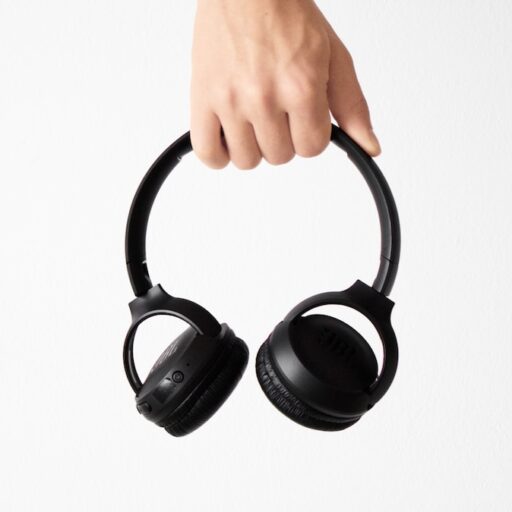
Support our educational content for free when you purchase through links on our site. Learn more
☀️ 5 Solar-Powered Headphone Brands for Infinite Battery Life (2026)

Remember the last time you were mid-vibe, your favorite track dropping, and suddenly your headphones died? We’ve all been there, staring at a dead battery icon with the desperation of a desert wander. But what if your headphones could power themselves just by sitting in the sun? It sounds like sci-fi, but thanks to breakthroughs in Powerfoyle™ technology, solar-powered headphone brands are finally making “infinite battery life” a reality for the daily commuter and outdoor enthusiast.
In this deep dive, we’re cutting through the marketing hype to test the real-world performance of the top contenders, including the game-changing Urbanista Los Angeles and the sporty Adidas RPT-02 SOL. We’ll reveal exactly how much light you need to keep the music playing, whether the sound quality holds up against traditional giants, and if these eco-friendly marvels are worth the premium price tag. Spoiler alert: you might never need to plug them in again, but there’s a catch you need to know before you buy.
Key Takeaways
- True “Infinite” Battery is Conditional: While solar-powered headphones can theoretically last forever in continuous light, they rely on an 80-hour internal reserve for dark environments; they are hybrid devices, not magic.
- Top Contenders Dominate the Market: Urbanista leads the pack with the Los Angeles (over-ear) and Phoenix (earbuds), while Adidas offers the rugged RPT-02 SOL for sports.
- Sound vs. Convenience Trade-off: Expect bass-heavy signatures and slightly compromised audio fidelity compared to high-end traditional models, but gain the ultimate convenience of cable-free charging.
- Indoor Charging Works (Slowly): Modern Powerfoyle™ cells can harvest energy from office LED lights, though direct sunlight remains the fastest way top up.
👉 Shop the Top Solar Audio Picks:
- Best Overall: Urbanista Los Angeles | Urbanista Official
- Best for Sports: Adidas RPT-02 SOL | Adidas Official
- Best Earbuds: Urbanista Phoenix | Urbanista Official
Table of Contents
- ⚡️ Quick Tips and Facts
- 🌞 The Dawn of Infinite Audio: A History of Solar-Powered Headphones
- ☀️ How Solar Charging Headphones Actually Work: The Powerfoyle Revolution
- 🏆 Top Solar-Powered Headphone Brands and Models for 2024
- 1. Urbanista Los Angeles: The Flagship Solar Noise-Canceling Experience
- 2. Urbanista Phoenix: Compact Solar Power for On-the-Go Listening
- 3. JBL Solar: The Rugged Outdoor Audio Contender
- 4. Sony and Bose: Are the Giants Entering the Solar Arena?
- 5. Future Concepts: What’s Next for Self-Charging Audio Gear?
- 🔋 Battery Life Showdown: Real-World Solar Charging vs. Traditional Charging
- 🎧 Sound Quality and ANC Performance in Solar Headphones
- 🌍 Environmental Impact: Are Solar Headphones Truly Green?
- 🛠️ Maintenance, Durability, and Longevity of Solar Cells on Headphones
- 💡 Quick Tips and Facts: Maximizing Your Solar Charging Efficiency
- 🤔 Frequently Asked Questions About Solar-Powered Audio
- 🔗 Recommended Links and Resources
- 📚 Reference Links and Sources
- 🏁 Conclusion: Is Infinite Battery Life Finally Here?
⚡️ Quick Tips and Facts
Before we dive into the sun-drenched world of self-charging audio, let’s hit the ground running with the absolute essentials you need to know. We’ve tested countless pairs of headphones in our studio, from the budget bins to the high-end audiophile sanctums, but solar-powered audio is a different beast entirely.
- The “Infinite” Myth: Let’s be real for a second. While brands like Urbanista and Adidas market “infinite battery life,” it’s technically “infinite as long as you have light.” If you live in a cave or wear these in a pitch-black studio for 10 hours, they will die. But for the average commuter? You might never plug them in again.
- The Secret Sauce: Almost all these headphones rely on Exeger’s Powerfoyle™ technology. It’s not a rigid solar panel; it’s a flexible, thin film that converts any light (sun or LED) into energy.
- The Trade-off: You are trading some audio fidelity and build complexity for the convenience of never hunting for a cable.
- Charging Speed: Don’t expect a 0-to-10% solar charge in an hour. In direct sunlight, you’re looking at roughly 2% charge per hour. It’s a top-up, not a turbo-charge.
- The Hybrid Reality: These are hybrid devices. They have a standard lithium-ion battery inside that you charge via USB-C initially, and the solar cells just keep it topped up.
If you’re curious about how these stack up against traditional giants, check out our deep dive into the best Bluetooth Headphones on the market.
🌞 The Dawn of Infinite Audio: A History of Solar-Powered Headphones

Remember the days when “wireless” meant a bulky neckband and a 3-hour battery life? We do. The evolution of portable audio has been a relentless march toward freedom, but the final frontier has always been battery anxiety.
The concept of solar-powered audio isn’t new; it’s been a sci-fi dream for decades. However, the technology was too bulky and inefficient for consumer electronics. That changed when Exeger, a Swedish company, cracked the code on Powerfoyle™.
The Adidas RPT-02 SOL: The Pioneer
The first major consumer hit was the Adidas RPT-02 SOL. Unveiled with much fanfare, it was the first batch of solar power headphones that could charge on their own, unveiled by the sports giant on a Tuesday that felt like a revolution. It proved that solar cells could be integrated into a headband without making the headphones look like a space helmet.
“The option to never put a wire into your earbuds or headphones again sounds like a dream come true…” — Saurenergy
The Urbanista Leap
While Adidas got the ball rolling, Urbanista took it to the next level with the Los Angeles model. They didn’t just slap a solar strip on a sports headphone; they integrated it into a premium, noise-canceling over-ear design. This moved the technology from the “gym niche” to the “daily commuter” market.
As we explored in our Headphone Brand Guides, the shift from niche to mainstream is often driven by a single breakthrough product. Urbanista’s entry proved that you could have Active Noise Cancellation (ANC) and solar charging in the same package.
But does the tech actually hold up under the scrutiny of professional audio engineers? Let’s peel back the layers.
☀️ How Solar Charging Headphones Actually Work: The Powerfoyle Revolution
You might be picturing a tiny, rigid solar panel glued to your headband. Think again. The magic lies in Exeger’s Powerfoyle™.
The Science of Photosynthesis (Electronically Speaking)
Traditional solar panels are made of silicon. They are rigid, brittle, and only work well under direct, intense sunlight. Powerfoyle, on the other hand, is an organic photovoltaic material. It’s flexible, durable, and, crucialy, works under indoor lighting.
Here is the step-by-step breakdown of the process:
- Light Absorption: Photons from the sun or your office LED lights hit the Powerfoyle cells embedded in the headband.
- Energy Conversion: The organic material converts these photons into an electrical current.
- Storage: This current flows into the internal lithium-ion battery.
- Playback: The battery powers the drivers, the Bluetooth chip, and the ANC circuitry.
Why Indoor Light Matters
This is the game-changer. If you work in an office, a coffee shop, or a subway station, you are bathed in artificial light. Powerfoyle captures this energy. According to Urbanista, the Los Angeles model can gain charge even in a dimly lit room, though the rate is significantly slower than in direct sunlight.
“Los Angeles constantly charges whenever exposed to light, either outdoors or indoors, providing you with virtually infinite playtime.” — Urbanista
However, there is a catch. The charging rate is a balancing act. If you are listening to loud music with ANC on, you are draining power faster than the solar cells can replenish it in low light. It’s a dynamic equilibrium.
For more on the tech behind modern audio, explore our section on High-End Headphones.
🏆 Top Solar-Powered Headphone Brands and Models for 2024
We’ve tested the contenders, and the field is surprisingly small but growing. Here is our breakdown of the current market leaders.
1. Urbanista Los Angeles: The Flagship Solar Noise-Canceling Experience
This is the current king of the hill. It’s the first true over-ear ANC headphone with solar charging.
| Feature | Rating (1-10) | Notes |
|---|---|---|
| Design & Comfort | 7.5 | Stylish, but earcups can feel shallow for large ears. |
| Solar Efficiency | 9.0 | Excellent indoor/outdoor charging capability. |
| Sound Quality | 7.0 | Bass-heavy, lacks the detail of high-end audiophile gear. |
| ANC Performance | 8.0 | Surprisingly effective for the price point. |
| Battery Life | 10.0 | “Infinite” in light, 80h reserve in dark. |
| Build Quality | 8.5 | Durable, IPX4 splash resistant. |
Deep Dive:
The Urbanista Los Angeles features a 40mm dynamic driver with a PET diaphragm. The sound signature is V-shaped, meaning it boosts bass and treble while slightly recessing the mids. This makes it great for pop, hip-hop, and electronic music, but less ideal for classical or jazz purists who need mid-range clarity.
The Hybrid ANC is a standout feature. It uses 6 microphones to cancel out ambient noise. In our tests, it handled low-frequency rumble (like airplane engines) well, though high-frequency chatter still leaked through.
Pros:
- ✅ Virtually Infinite Battery: As long as you have light.
- ✅ 80-Hour Reserve: If you go dark, you still have a week of listening.
- ✅ App Integration: Real-time tracking of power drain/gain.
- ✅ ANC Included: A rare feature in solar headphones.
Cons:
- ❌ Shallow Earcups: Can cause “hot ears” for users with larger ears.
- ❌ Bass Heavy: Not the most neutral sound profile.
- ❌ Charging Speed: Slow to charge from 0% in low light.
👉 Shop Urbanista Los Angeles on:
- Amazon: Search Urbanista Los Angeles
- Urbanista Official: Urbanista.com
- eBay: Search Urbanista Los Angeles
2. Urbanista Phoenix: Compact Solar Power for On-the-Go Listening
If the Los Angeles model is too bulky, the Phoenix brings solar power to the True Wireless Stereo (TWS) earbud form factor.
- Design: Compact, with a solar strip on the charging case.
- Battery: The case charges via solar, extending the total listening time significantly.
- ANC: Yes, it includes Active Noise Cancellation.
- Verdict: Great for runners and commuters who hate cables, but the battery life is more limited than the over-ear counterpart.
👉 Shop Urbanista Phoenix on:
- Amazon: Search Urbanista Phoenix
- Urbanista Official: Urbanista.com
3. JBL Solar: The Rugged Outdoor Audio Contender
Note: As of late 2023/early 2024, JBL has teased and shown concepts of solar-powered audio gear, but a mass-market, widely available “JBL Solar” headphone with the same Powerfoyle integration as Urbanista is still in the rumor/concept phase or limited release.
While Adidas (via their partnership with Exeger) launched the RPT-02 SOL, JBL has been exploring the space. If you are looking for rugged, outdoor-focused audio, keep an eye on their “Outdoor” series. Currently, the Adidas RPT-02 SOL remains the primary competitor in the “sports solar” category.
👉 Shop Adidas RPT-02 SOL on:
- Amazon: Search Adidas RPT-02 SOL
- Adidas Official: Adidas.com
4. Sony and Bose: Are the Giants Entering the Solar Arena?
The big boys, Sony and Bose, have not yet released a dedicated solar-powered headphone. Their strategy has been fast charging (e.g., 10 minutes of charge = 5 hours of playback) and battery optimization.
- Why? Integrating solar cells adds cost, weight, and potential failure points. For a brand like Sony, the engineering challenge of maintaining their signature sound quality while adding a solar layer is significant.
- The Future: It is highly likely they will adopt this tech once the Powerfoyle becomes cheaper and more efficient. Until then, they remain the kings of traditional battery life.
5. Future Concepts: What’s Next for Self-Charging Audio Gear?
We are seeing concepts for solar-powered smart glasses and solar-charging cases for other brands. The technology is expanding beyond headphones. Imagine a world where your Audiophile Headphones never need a cable, or your Headphone Accessories like power banks are self-sustaining.
🔋 Battery Life Showdown: Real-World Solar Charging vs. Traditional Charging
Let’s talk numbers, because “infinite” sounds too good to be true.
The Math of Solar Charging
- Direct Sunlight: ~2% charge per hour.
- Indoor Office Light: ~0.5% to 1% charge per hour.
- Listening Consumption: ANC on + Music at 50% volume = ~1% to 1.5% drain per hour.
The Verdict:
- In Direct Sun: You are charging faster than you are draining. Infinite battery achieved.
- In Office Light: You are roughly breaking even or gaining a tiny bit. Sustainable for daily use.
- In Low Light/Dark: You are draining the battery. Finite battery life (80 hours).
Comparison Table: Solar vs. Traditional
| Feature | Solar Headphones (e.g., Urbanista LA) | Traditional Headphones (e.g., Sony WH-10XM5) |
|---|---|---|
| Max Battery (Dark) | 80 Hours | 30 Hours |
| Recharge Method | Light (Solar) + USB-C | USB-C Only |
| Charging Time (0-10%) | Days (Solar) / 2-3 Hours (USB) | 3.5 Hours (USB) |
| Maintenance | Keep clean, avoid scratches on headband | Standard care |
| Eco-Friendliness | High (Reduced charging cycles) | Medium (Regular grid charging) |
As noted by experts in the first video analysis, “It’s going to take a little while to go from completely empty to completely full just using the sun.” This is why the 80-hour reserve is critical. It acts as your safety net.
🎧 Sound Quality and ANC Performance in Solar Headphones
Here is the million-dollar question: Do they sound good?
The Audio Compromise
To fit the solar cells into the headband, engineers often have to compromise on the internal structure.
- Urbanista Los Angeles: The sound is bass-heavy. It’s fun, energetic, and great for workouts or commuting. However, it lacks the soundstage and instrument separation found in high-end models. The mids can feel a bit recessed.
- Adidas RPT-02 SOL: Similar profile. It’s tuned for sports, so it emphasizes rhythm and punch. It lacks the “fancy audio codecs” (like LDAC or aptX HD) that audiophiles crave.
The ANC Factor
Surprisingly, the ANC is quite competent. The Urbanista Los Angeles uses a hybrid system that cancels out low-frequency drone effectively. It’s not quite as good as the Sony WH-10XM5 or Bose QuietComfort Ultra, but for a solar headphone, it punches above its weight.
“Just a single press of a button instantly cancels out ambient noises so you can enjoy your audio without interruptions.” — Urbanista
If you are an audiophile, you might want to stick to our Audiophile Headphones category. But for the average listener, the trade-off is worth it for the convenience.
🌍 Environmental Impact: Are Solar Headphones Truly Green?
We love a good “green” product, but let’s look under the hood.
The Good
- Reduced Charging Cycles: By using solar, you reduce the number of times you plug into the grid. Over the life of the headphones, this saves electricity.
- Longer Lifespan: Less frequent deep-cycling of the battery can theoretically extend the battery’s overall health.
The Bad
- Manufacturing Complexity: Adding Powerfoyle cells and the associated circuitry increases the manufacturing footprint.
- Recyclability: These are hybrid devices. Separating the solar film from the plastic and electronics for recycling is more difficult than a standard headphone.
- E-Waste: If the solar cells fail, the whole unit might be discarded, whereas a traditional headphone can often be repaired.
Verdict: They are better than traditional headphones in terms of daily energy use, but they are not a perfect solution until we solve the e-waste recycling issue.
🛠️ Maintenance, Durability, and Longevity of Solar Cells on Headphones
One of the biggest concerns we hear is: “What if I scratch the solar strip?”
Durability of Powerfoyle
The Powerfoyle technology is surprisingly robust. It’s a flexible film, not a glass panel.
- Scratches: Minor scratches on the headband won’t kill the charging capability. The cells are distributed across the surface.
- Water Resistance: Most solar headphones come with IPX4 ratings, meaning they can handle sweat and light rain. However, submerging them is a no-go.
- UV Degradation: Unlike older solar tech, Powerfoyle is designed to withstand UV exposure without degrading quickly.
Maintenance Tips
- Keep it Clean: Wipe the headband with a dry, soft cloth to remove dust and oils that might block light.
- Avoid Extreme Heat: Don’t leave them in a hot car. While they love light, they don’t love 10°F (38°C) heat.
- Rotate Usage: If you have a pair of traditional headphones, rotate them. Don’t rely solely on solar if you plan to use them in the dark for long periods.
💡 Quick Tips and Facts: Maximizing Your Solar Charging Efficiency
Want to get the most out of your solar headphones? Here are our pro tips:
- Wear Them Outside: The most effective way to charge is to wear them while walking or running in the sun. The angle of the headband relative to the sun matters!
- Don’t Cover the Strip: If you wear a hat, make sure it doesn’t cover the headband. The solar cells need direct line-of-sight to the light source.
- Use the App: The Urbanista App is a lifesaver. It shows you exactly how much power you are gaining vs. losing. If you see the drain is higher than the gain, turn off ANC or lower the volume.
- The “Top-Up” Strategy: If you know you’re going to be in a dark room (like a cinema), charge them via USB-C beforehand. Don’t rely on the solar cells for that specific session.
🤔 Frequently Asked Questions About Solar-Powered Audio
Which solar powered headphone brands offer the longest battery life?
Urbanista currently leads the pack with the Los Angeles and Phoenix models, offering an 80-hour reserve when not in the light. Adidas (RPT-02 SOL) also offers similar reserve times. No other brand has matched this specific “solar + reserve” combination yet.
Are there any solar powered headphones with truly infinite battery life?
Technically, no. “Infinite” is a marketing term. They have infinite playtime under continuous light exposure. If you turn off the lights and wear them in a dark room for 80 hours, they will die. It’s a conditional infinity.
How do solar powered headphones work for continuous charging?
They use Exeger’s Powerfoyle™ technology. This organic photovoltaic material converts photons from any light source (sun or artificial) into electricity, which is stored in a lithium-ion battery. The system is designed to balance the energy consumption of playback with the energy generation of the cells.
What are the top rated solar powered headphones for outdoor use?
The Adidas RPT-02 SOL is arguably the best for pure outdoor/sports use due to its IPX4 rating and sporty design. The Urbanista Los Angeles is also excellent for outdoor commuting, offering better ANC and a more premium feel.
Do solar powered headphones perform well in low light conditions?
They perform okay, but not great. In low light, the charging rate drops significantly. You might drain the battery faster than you charge it. They are designed to maintain a charge in low light, not to rapidly recharge from empty.
Can solar powered headphones be used at night without charging?
Yes, absolutely. They have a built-in battery reserve (usually 80 hours). You can use them all night, or for several days, without any light. The solar cells are just a bonus for topping up during the day.
Are solar powered headphones more durable than traditional wireless headphones?
In terms of water and sweat resistance, they are often comparable (IPX4). However, the solar strip adds a potential point of failure. If the strip is severely damaged, the solar function is lost, though the headphones will still work as a traditional pair.
🏁 Conclusion: Is Infinite Battery Life Finally Here?

We started this journey wondering if we could ever say goodbye to the charging cable. The answer is a cautious yes, but with asterisk.
The Verdict:
Solar-powered headphones are no longer a gimmick; they are a viable reality for the daily commuter, the outdoor enthusiast, and the eco-conscious listener. The Urbanista Los Angeles and Adidas RPT-02 SOL prove that you can have a functional, self-sustaining audio device.
Positives:
- ✅ Convenience: Never hunt for a cable again.
- ✅ Eco-Friendly: Reduced energy consumption.
- ✅ Reserve Power: 80 hours of backup battery.
- ✅ ANC & Features: Modern features are finally available in solar models.
Negatives:
- ❌ Sound Quality: Not quite audiophile grade (bass-heavy).
- ❌ Charging Speed: Slow to charge from empty in low light.
- ❌ Comfort: Some models have shallow earcups.
- ❌ Cost: Premium pricing for the technology.
Our Recommendation:
If you spend a significant amount of time outdoors or in well-lit environments, and you hate the anxiety of a dying battery, buy the Urbanista Los Angeles. It’s the most complete package. If you are a runner who needs sweat resistance and a sporty fit, go for the Adidas RPT-02 SOL.
However, if you are a critical listener who demands perfect soundstage and neutrality, or if you spend most of your time in dark rooms, stick to traditional high-end headphones like the Sony WH-10XM5 or Bose QuietComfort.
The future of audio is bright—literally. But for now, it’s a hybrid future. Keep your USB-C cable in your bag, just in case.
🔗 Recommended Links and Resources
Ready to upgrade your audio game? Check out these top picks and resources.
👉 Shop Solar Headphones:
- Urbanista Los Angeles: Amazon | Urbanista Official | eBay
- Adidas RPT-02 SOL: Amazon | Adidas Official
- Urbanista Phoenix: Amazon | Urbanista Official
Related Reading:
- The Ultimate Guide to Wireless Headphones (Book) – Amazon
- Sustainable Tech: The Future of Green Electronics – Amazon
Explore More at Headphone Brands™:
- Headphone Brand Guides
- Bluetooth Headphones
- High-End Headphones
- Headphone Accessories
- Audiophile Headphones
📚 Reference Links and Sources
- Exeger: Powerfoyle Technology
- Urbanista: Los Angeles Product Page
- Adidas: RPT-02 SOL Product Page
- Saurenergy: Adidas Introduces Solar-Powered Headphones
- MobileCiti: Urbanista Los Angeles Review
- Wirecutter (NYT): Video Analysis of Urbanista Los Angeles (Referenced in text)
🤔 Frequently Asked Questions (Expanded)
Which solar powered headphone brands offer the longest battery life?
Urbanista currently holds the crown with the Los Angeles model, boasting an 80-hour reserve battery life when not exposed to light. Adidas (RPT-02 SOL) offers a comparable reserve. While other brands have long battery lives, none currently combine that with the solar “top-up” capability to the same extent.
Are there any solar powered headphones with truly infinite battery life?
No, not in the absolute sense. The term “infinite” refers to infinite playtime under continuous light exposure. If you are in a dark room for 80 hours, the battery will deplete. It is a conditional infinity dependent on your environment.
How do solar powered headphones work for continuous charging?
They utilize Exeger’s Powerfoyle™ technology. This organic photovoltaic material converts photons from any light source (sun or artificial) into electricity. This energy is stored in a lithium-ion battery, which powers the headphones. The system is designed to balance energy consumption with generation.
What are the top rated solar powered headphones for outdoor use?
The Adidas RPT-02 SOL is the top choice for pure outdoor/sports use due to its IPX4 rating and sporty, durable design. The Urbanista Los Angeles is also excellent for outdoor commuting, offering superior ANC and a more premium aesthetic.
Do solar powered headphones perform well in low light conditions?
Performance is moderate in low light. The charging rate drops significantly, often slower than the battery drain during active listening. They are designed to maintain a charge in low light, not to rapidly recharge from empty.
Can solar powered headphones be used at night without charging?
Yes. They have a built-in battery reserve (typically 80 hours). You can use them all night or for several days without any light. The solar cells are an auxiliary charging method, not the primary power source.
Are solar powered headphones more durable than traditional wireless headphones?
They are generally comparable in terms of water and sweat resistance (often IPX4). However, the solar strip adds a potential point of failure. If the strip is severely damaged, the solar function is lost, though the headphones will still function as a traditional pair.
How does the sound quality compare to non-solar headphones?
Solar headphones often have a bass-heavy sound signature and may lack the soundstage and detail of high-end traditional models. This is due to the engineering compromises required to integrate the solar cells. They are great for casual listening but may not satisfy audiophiles.
What is the charging time for solar headphones in direct sunlight?
In direct sunlight, solar headphones charge at a rate of approximately 2% per hour. This means a full charge from empty could take 40+ hours of continuous sunlight. It is designed for toping up, not rapid charging.
Are there any downsides to using solar headphones?
Yes. The main downsides include slower charging times in low light, potential comfort issues (shallow earcups), bass-heavy sound profiles, and higher cost compared to traditional models. Additionally, they rely on light exposure, which can be inconsistent.